

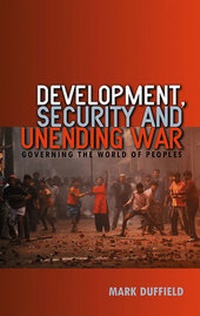
Development, Security and Unending War
Governing the World of Peoples
Published on 19. April 2013
280 pages
978-0-7456-7487-2 (ISBN)
Description

According to politicians, we now live in a radically interconnectedworld. Unless there is international stability - evenin the most distant places - the West's way of life isthreatened. In meeting this global danger, reducing poverty anddeveloping the unstable regions of the world are now imperative. Inwhat has become a truism of the post-Cold War period, securitywithout development is questionable, while development withoutsecurity is impossible.
In this accessible and path-breaking book, Mark Duffieldquestions this conventional wisdom and lays bare development not asa way of bettering other people but of governing them. He offers aprofound critique of the new wave of Western humanitarian and peaceinterventionism, arguing that rather than bridging the lifechancedivide between development and underdevelopment, it maintains andpolices it. As part of the defence of an insatiable mass consumersociety, those living beyond its borders must be content withself-reliance.
With case studies drawn from Mozambique, Ethiopia andAfghanistan, the book provides a critical and historically informedanalysis of the NGO movement, humanitarian intervention,sustainable development, human security, coherence, fragile states,migration and the place of racism within development. It is amust-read for all students and scholars of development,humanitarian intervention and security studies as well as anyoneconcerned with our present predicament.
In this accessible and path-breaking book, Mark Duffieldquestions this conventional wisdom and lays bare development not asa way of bettering other people but of governing them. He offers aprofound critique of the new wave of Western humanitarian and peaceinterventionism, arguing that rather than bridging the lifechancedivide between development and underdevelopment, it maintains andpolices it. As part of the defence of an insatiable mass consumersociety, those living beyond its borders must be content withself-reliance.
With case studies drawn from Mozambique, Ethiopia andAfghanistan, the book provides a critical and historically informedanalysis of the NGO movement, humanitarian intervention,sustainable development, human security, coherence, fragile states,migration and the place of racism within development. It is amust-read for all students and scholars of development,humanitarian intervention and security studies as well as anyoneconcerned with our present predicament.
More details
Other editions
Additional editions
Book
10/2007
1st Edition
Polity Press
€74.00
Article not available at the moment
Book
10/2007
1st Edition
Polity Press
€30.50
Article not available at the moment
Person
Mark Duffield is Professor of Development Politics at the University of Bristol.
Content
Preface.
Chapter 1 INTRODUCTION: DEVELOPMENT AND SURPLUS LIFE.
The liberal problematic of security.
Biopolitics, liberalism and development.
Surplus population and accumulation by dispossession.
Slavery and excess freedom.
The biopolitics of development and underdevelopment.
Dividing insured and non-insured peoples.
From internal war to global instability.
Occupation and contingent sovereignty.
Disturbing the boundaries of time and space.
Chapter 2: PERMANENT EMERGENCY AND DECOLONISATION .
Total war and the paradox of biopolitics.
NGOs and total war.
The colonial inheritance.
Expansion without imperial reconciliation.
Emergency and the dilemma of development.
Cold War liminality and non-state sovereignty.
Sustainable development: knowledge makes free.
The question of agency: being the right type.
Postscript.
Chapter 3: THE EMERGENCE OF CONTINGENT SOVEREIGNTY.
From modernisation to sustainable development.
Emergency and contingent sovereignty.
Negotiated access and the humanitarian boom.
Emergency and the external sovereign frontier.
Chapter 4: MOZAMBIQUE, GOVERNMENTALISATION AND NON-MATERIALDEVELOPMENT.
The background to a 'complex emergency'.
The changing relationship with NGOs.
War and the destruction of culture.
The re-emergence of social cohesion.
Opposing economic differentiation.
Non-material development.
Gender, natural economy and land.
Concluding remarks.
Chapter 5: HUMAN SECURITY AND GLOBAL DANGER.
Human security as a technology of governance.
Internal war and the crisis of containment.
Globalising versus containing tendencies.
Reinstating the state.
Containing underdevelopment.
Unending war, human security and NGOs.
Chapter 6: AFGHANISTAN, COHERENCE AND TALIBAN RULE.
From negotiation to coercion.
The strategic framework for Afghanistan.
Development and security in practice.
Aid and peace-building in a failed state.
The limits of principled engagement.
Problematising state-based politics.
UNSMA and the critique of aid.
Concluding Remarks.
Chapter 7: FRAGILE STATES AND NATIVE ADMINISTRATION.
Fragility and global instability.
Contingent sovereignty and non-material development.
The governance state.
The fragile state and liberal imperialism.
Reintroducing native administration.
Culture and the limits of government.
The necessity of despotism.
Adjusting government to culture.
Technologies of post-interventionary governance.
Concluding remarks.
Chapter 8: RACISM, CIRCULATION AND SECURITY.
The collapse of the national/international dichotomy.
From race war to racism.
Liberalism, imperialism and culture.
Decolonisation and the new racism.
Racism and anti-racism.
Conjoining the internal and external frontiers.
Migration and the European state of exception.
The changing regime of internal development.
Concluding remarks.
Chapter 9: CONCLUSION: FROM CONTAINMENT TOSOLIDARITY.
The biopolitics of insured and non-insured life.
Development and Emergency.
Governmentalising petty sovereignty.
The biopolitics of unending war.
Is there an alternative development?.
The solidarity of the governed.
.
BIBLIOGRAPHY
Chapter 1 INTRODUCTION: DEVELOPMENT AND SURPLUS LIFE.
The liberal problematic of security.
Biopolitics, liberalism and development.
Surplus population and accumulation by dispossession.
Slavery and excess freedom.
The biopolitics of development and underdevelopment.
Dividing insured and non-insured peoples.
From internal war to global instability.
Occupation and contingent sovereignty.
Disturbing the boundaries of time and space.
Chapter 2: PERMANENT EMERGENCY AND DECOLONISATION .
Total war and the paradox of biopolitics.
NGOs and total war.
The colonial inheritance.
Expansion without imperial reconciliation.
Emergency and the dilemma of development.
Cold War liminality and non-state sovereignty.
Sustainable development: knowledge makes free.
The question of agency: being the right type.
Postscript.
Chapter 3: THE EMERGENCE OF CONTINGENT SOVEREIGNTY.
From modernisation to sustainable development.
Emergency and contingent sovereignty.
Negotiated access and the humanitarian boom.
Emergency and the external sovereign frontier.
Chapter 4: MOZAMBIQUE, GOVERNMENTALISATION AND NON-MATERIALDEVELOPMENT.
The background to a 'complex emergency'.
The changing relationship with NGOs.
War and the destruction of culture.
The re-emergence of social cohesion.
Opposing economic differentiation.
Non-material development.
Gender, natural economy and land.
Concluding remarks.
Chapter 5: HUMAN SECURITY AND GLOBAL DANGER.
Human security as a technology of governance.
Internal war and the crisis of containment.
Globalising versus containing tendencies.
Reinstating the state.
Containing underdevelopment.
Unending war, human security and NGOs.
Chapter 6: AFGHANISTAN, COHERENCE AND TALIBAN RULE.
From negotiation to coercion.
The strategic framework for Afghanistan.
Development and security in practice.
Aid and peace-building in a failed state.
The limits of principled engagement.
Problematising state-based politics.
UNSMA and the critique of aid.
Concluding Remarks.
Chapter 7: FRAGILE STATES AND NATIVE ADMINISTRATION.
Fragility and global instability.
Contingent sovereignty and non-material development.
The governance state.
The fragile state and liberal imperialism.
Reintroducing native administration.
Culture and the limits of government.
The necessity of despotism.
Adjusting government to culture.
Technologies of post-interventionary governance.
Concluding remarks.
Chapter 8: RACISM, CIRCULATION AND SECURITY.
The collapse of the national/international dichotomy.
From race war to racism.
Liberalism, imperialism and culture.
Decolonisation and the new racism.
Racism and anti-racism.
Conjoining the internal and external frontiers.
Migration and the European state of exception.
The changing regime of internal development.
Concluding remarks.
Chapter 9: CONCLUSION: FROM CONTAINMENT TOSOLIDARITY.
The biopolitics of insured and non-insured life.
Development and Emergency.
Governmentalising petty sovereignty.
The biopolitics of unending war.
Is there an alternative development?.
The solidarity of the governed.
.
BIBLIOGRAPHY
