

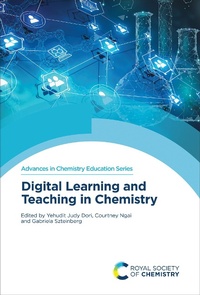
Digital Learning and Teaching in Chemistry
1st Edition
Published on 12. July 2023
436 pages
978-1-83916-795-9 (ISBN)
Description

Education is always evolving, and most recently has shifted to increased online or remote learning. Digital Learning and Teaching in Chemistry compiles the established and emerging trends in this field, specifically within the context of learning and teaching in chemistry. This book shares insights about five major themes: best practices for teaching and learning digitally, digital learning platforms, virtual visualisation and laboratory to promote learning in science, digital assessment, and building communities of learners and educators. The authors are chemistry instructors and researchers from nine countries, contributing an international perspective on digital learning and teaching in chemistry.
While the chapters in this book span a wide variety of topics, as a whole, they focus on using technology and digital platforms as a method for supporting inclusive and meaningful learning. The best practices and recommendations shared by the authors are highly relevant for modern chemistry education, as teaching and learning through digital methods is likely to persist. Furthermore, teaching chemistry digitally has the potential to bring greater equity to the field of chemistry education in terms of who has access to quality learning, and this book will contribute to that goal. This book will be essential reading for those working in chemical education and teaching.
Yehudit Judy Dori is internationally recognised, formerly Dean of the Faculty of Education of Science and Technology at the Technion Israel Institute of Technology and won the 2020 NARST Distinguished Contributions to Science Education through Research Award-DCRA for her exceptional research contributions. Courtney Ngai and Gabriela Szteinberg are passionate researchers and practitioners in the education field. Courtney Ngai is the Associate Director of the Office of Undergraduate Research and Artistry at Colorado State University. Gabriela Szteinberg serves as Assistant Dean and Academic Coordinator for the College of Arts and Sciences at Washington University in St. Louis.
While the chapters in this book span a wide variety of topics, as a whole, they focus on using technology and digital platforms as a method for supporting inclusive and meaningful learning. The best practices and recommendations shared by the authors are highly relevant for modern chemistry education, as teaching and learning through digital methods is likely to persist. Furthermore, teaching chemistry digitally has the potential to bring greater equity to the field of chemistry education in terms of who has access to quality learning, and this book will contribute to that goal. This book will be essential reading for those working in chemical education and teaching.
Yehudit Judy Dori is internationally recognised, formerly Dean of the Faculty of Education of Science and Technology at the Technion Israel Institute of Technology and won the 2020 NARST Distinguished Contributions to Science Education through Research Award-DCRA for her exceptional research contributions. Courtney Ngai and Gabriela Szteinberg are passionate researchers and practitioners in the education field. Courtney Ngai is the Associate Director of the Office of Undergraduate Research and Artistry at Colorado State University. Gabriela Szteinberg serves as Assistant Dean and Academic Coordinator for the College of Arts and Sciences at Washington University in St. Louis.
More details
Series
Language
English
Place of publication
Cambridge
United Kingdom
Target group
Professional and scholarly
Product notice
Reflowable
ISBN-13
978-1-83916-795-9 (9781839167959)
DOI
10.1039/9781839167959
Copyright in bibliographic data and cover images is held by Nielsen Book Services Limited or by the publishers or by their respective licensors: all rights reserved.
Schweitzer Classification
Other editions
Additional editions
Yehudit Dori | Courtney Ngai | Gabriela Szteinberg
Digital Learning and Teaching in Chemistry
E-Book
07/2023
1st Edition
Royal Society of Chemistry
€137.99
Available for download
Yehudit Dori | Courtney Ngai | Gabriela Szteinberg
Digital Learning and Teaching in Chemistry
Book
07/2023
Royal Society of Chemistry
€129.50
Shipment within 3-4 weeks
Persons
Content
Digital Learning and Teaching in Chemistry - What We Know and What We Wish to Investigate Further
Theme Introduction: Best Practices of Teaching and Learning Digitally
Supportive Aspects of Online Learning and Teaching - What Does a Rapid Transition Teach Us?
Adapting Large Intro-level Chemistry Courses to Fully Remote or Hybrid Instruction
Personalized Support for Students Learning Chemistry Online - The Development of a Prediction Model
A Framework for Learning to Teach Chemistry on a Digital Platform: The Case of Chemical Equilibrium
Learning with Digital Media About the Chemistry Behind the Recycling of Digital Hardware
Chemistry-based Information in Social Media in Light of Scientific Media Literacy - Teachers' Views and Classroom Implementation in Secondary Education
Digital Learning Platforms: Digital Platforms for Increasing Inclusion in Chemistry Education
Group Diversity and Innovative Thinking: Lessons Learned From a MOOC on Nanotechnology
Integrating Web-based Learning to Make Industrial and Everyday Life Chemistry Accessible to High-school Chemistry Students
The Next Level in Inclusive Chemistry Education: A Model Approach Using a Multi-touch Learning Book
Can YouTubers Provide Powerful Tools for Addressing Heterogeneity in the Classroom? An Analysis of Videos About the Periodic Table Using the TPACK Framework
A Formalised Conceptual Model-based Approach for Fostering and Assessing Students' Systems Thinking in Undergraduate Chemistry Education
Chemistry Teachers' Awareness of Sustainability Through Social Media: Cultural Differences
Using Visualization and Laboratory to Promote Learning in Science
Applications of Digital Technology in Chemical Education
Designing Virtual Chemistry Visualizations Featuring Environmental Dilemmas to Promote Equitable Knowledge Integration
Designing Tutorial Videos to Support Students' Learning of Reaction Mechanisms in Organic Chemistry
Digital Tools for Equitable In-person and Remote Chemistry Learning
Smartphone Applications as a Catalyst for Active Learning in Chemistry: Investigating the Ideal Gas Law
Theme Introduction: Digital Assessment;The Community of Inquiry Framework as a Guide to Implement Inclusive Collaborative Two-stage Exams in Chemistry
Digital Formative Assessments for Learning
Online Assignments: Pre- and In-service Chemistry Teachers' Knowledge, Perceptions and Reflections
'I Felt Not So Alone': the Impact of Muddiest Point Activities on Student Learning Outcomes Through Top Hat Technology
Embedding Feedback in Digital Learning Environments to Promote Learners' Thinking About Their Thinking in Chemistry
Introduction to Building Communities of Learners and Educators
Bringing Back Learning Communities in the 21st Century
Supporting Chemistry Teachers in Emergency Remote Teaching - The Role of Professional Learning Communities (PLCs)
Strategies for Teaching Chemistry Online: A Community of Educators for the COVID-19 Pandemic and Beyond
Theme Introduction: Best Practices of Teaching and Learning Digitally
Supportive Aspects of Online Learning and Teaching - What Does a Rapid Transition Teach Us?
Adapting Large Intro-level Chemistry Courses to Fully Remote or Hybrid Instruction
Personalized Support for Students Learning Chemistry Online - The Development of a Prediction Model
A Framework for Learning to Teach Chemistry on a Digital Platform: The Case of Chemical Equilibrium
Learning with Digital Media About the Chemistry Behind the Recycling of Digital Hardware
Chemistry-based Information in Social Media in Light of Scientific Media Literacy - Teachers' Views and Classroom Implementation in Secondary Education
Digital Learning Platforms: Digital Platforms for Increasing Inclusion in Chemistry Education
Group Diversity and Innovative Thinking: Lessons Learned From a MOOC on Nanotechnology
Integrating Web-based Learning to Make Industrial and Everyday Life Chemistry Accessible to High-school Chemistry Students
The Next Level in Inclusive Chemistry Education: A Model Approach Using a Multi-touch Learning Book
Can YouTubers Provide Powerful Tools for Addressing Heterogeneity in the Classroom? An Analysis of Videos About the Periodic Table Using the TPACK Framework
A Formalised Conceptual Model-based Approach for Fostering and Assessing Students' Systems Thinking in Undergraduate Chemistry Education
Chemistry Teachers' Awareness of Sustainability Through Social Media: Cultural Differences
Using Visualization and Laboratory to Promote Learning in Science
Applications of Digital Technology in Chemical Education
Designing Virtual Chemistry Visualizations Featuring Environmental Dilemmas to Promote Equitable Knowledge Integration
Designing Tutorial Videos to Support Students' Learning of Reaction Mechanisms in Organic Chemistry
Digital Tools for Equitable In-person and Remote Chemistry Learning
Smartphone Applications as a Catalyst for Active Learning in Chemistry: Investigating the Ideal Gas Law
Theme Introduction: Digital Assessment;The Community of Inquiry Framework as a Guide to Implement Inclusive Collaborative Two-stage Exams in Chemistry
Digital Formative Assessments for Learning
Online Assignments: Pre- and In-service Chemistry Teachers' Knowledge, Perceptions and Reflections
'I Felt Not So Alone': the Impact of Muddiest Point Activities on Student Learning Outcomes Through Top Hat Technology
Embedding Feedback in Digital Learning Environments to Promote Learners' Thinking About Their Thinking in Chemistry
Introduction to Building Communities of Learners and Educators
Bringing Back Learning Communities in the 21st Century
Supporting Chemistry Teachers in Emergency Remote Teaching - The Role of Professional Learning Communities (PLCs)
Strategies for Teaching Chemistry Online: A Community of Educators for the COVID-19 Pandemic and Beyond
