

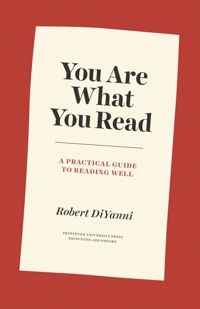
You Are What You Read
Description

How you can enrich your life by becoming a more skillful and engaged reader of literature
We are what we read, according to Robert DiYanni. Reading may delight us or move us; we may read for instruction or inspiration. But more than this, in reading we discover ourselves. We gain access to the lives of others, explore the limitless possibilities of human existence, develop our understanding of the world around us, and find respite from the hectic demands of everyday life. In You Are What You Read, DiYanni provides a practical guide that shows how we can increase the benefits and pleasures of reading literature by becoming more skillful and engaged readers.
DiYanni suggests that we attend first to what authors say and the way in which they say it, rather than rushing to decide what they mean. He considers the various forms of literature, from the essay to the novel, the short story to the poem, demonstrating rewarding approaches to each in sample readings of classic works. Through a series of illuminating oppositions, he explores the paradoxical pleasures of reading: solitary versus social reading, submitting to or resisting the author, reading inwardly or outwardly, and more. DiYanni closes with nine recommended reading practices, thoughts on the different experiences of print and digital reading, and advice on what to read and why.
Written in a clear, inviting, and natural style, You Are What You Read is an essential guide for all who want to enrich their reading-and their life.
More details
Other editions
Additional editions
Person
Content
- Cover
- Contents
- Preface
- Part One. Approaches
- Chapter One. Reading and Questioning: What Texts Say and Suggest
- What They Show and Do-and How
- Chapter Two. Reading for the Truth: Experiencing, Interpreting, and Evaluating What and How We Read
- Part Two. Applications
- Chapter Three. Reading Nonfiction: Essays, Ideas, and the Pleasures of Conversation
- Chapter Four. Reading Fiction: Laboratories for the Creation of the Self
- Part Three. Uses
- Chapter Five. Reading's Paradoxical Pleasures: Dialectical Energies
- Chapter Six. Reading for Your Life: How Reading Is Entwined with Living
- Coda. Nine Recommended Reading Practices
- Appendix A. Print and Digital Reading
- Appendix B. What to Read and Why
- Acknowledgments
- References
- Index
