

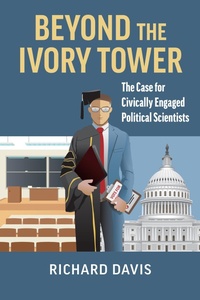
Beyond the Ivory Tower
Description

While academics often treat their subject matter with a posture of detached objectivity, some have moved beyond the ivory tower of academia toward a more personal and active engagement with their area of research. The field of political science lends itself particularly well to this kind of activity given the relevance, impact, and importance of civic engagement and the political landscape of our daily lives. Early in the discipline, Woodrow Wilson, Charles Merriam, and other leaders of the American Political Science Association were civically engaged as well as active scholars and teachers. However, discipline and institutional barriers have discouraged contemporary engagement.
In Beyond the Ivory Tower: The Case for Civically Engaged Political Scientists, Richard Davis tells the stories of past and present academics who have ventured beyond the academy. He frames his own story of political activism in Utah within the context of the need for political scientists to step away from the cloistered affairs of academia toward more public and political engagement. Davis discusses different ways to remain both active in academic life while also becoming more publicly engaged in one's community and state. This book shows how political scientists may find alternative ways to explore their passion for politics and not only advocate civic engagement but also become actively engaged citizens themselves.
Beyond the Ivory Tower skillfully discusses the institutional and cultural barriers to academic civic engagement and proposes solutions to overcome them while offering examples of political scientists who have been active citizens in a variety of forums, including running for office, serving in government, and founding and leading non-profit organizations.
More details
Other editions
Additional editions
Person
Richard Davis is professor emeritus of political science and former director of the Office of Civic Engagement Leadership at Brigham Young University. He is also is a co-founder of the United Utah Party and the Utah Debate Commission.
Content
Preface
Acknowledgment
Introduction: Academic Disengagement
1. Engagement as a Practitioner
2. Engagement as an Academic
3. Civic Engagement Leadership
4. Utah Debate Commission
5. Service to a Major Party
6. Founding a New Minor Party
7. Community Service and Running for Office
Conclusion: Overcoming the Barriers to Engagement
Notes
Index
