

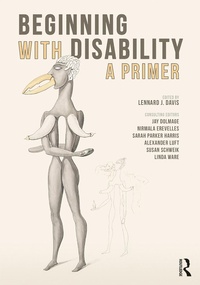
Beginning with Disability
A Primer
1st Edition
Published on 20. September 2017
372 pages
978-1-315-45320-0 (ISBN)
Description

While there are many introductions to disability and disability studies, most presume an advanced academic knowledge of a range of subjects. Beginning with Disability is the first introductory primer for disaibility studies aimed at first year students in two- and four-year colleges. This volume of essays across disciplines-including education, sociology, communications, psychology, social sciences, and humanities-features accessible, readable, and relatively short chapters that do not require specialized knowledge.
Lennard Davis, along with a team of consulting editors, has compiled a number of blogs, vlogs, and other videos to make the materials more relatable and vivid to students. "Subject to Debate" boxes spotlight short pro and con pieces on controversial subjects that can be debated in class or act as prompts for assignments.
Lennard Davis, along with a team of consulting editors, has compiled a number of blogs, vlogs, and other videos to make the materials more relatable and vivid to students. "Subject to Debate" boxes spotlight short pro and con pieces on controversial subjects that can be debated in class or act as prompts for assignments.
Reviews / Votes
Beginning with Disability: A Primer brings together a collection of renowned and emergent scholars to offer an exciting and accessible introduction to the interdisciplinary field of disability studies. An excellent resource for those new to this field.Dan Goodley, Professor of Disability Studies and Education, University of Sheffield
Davis has deftly curated an indispensable introduction to the field of disability studies. With its accessible and engaging prose, Beginning with Disability: A Primer is the disability studies 101 text that will be required reading for every introductory course in the field.
Beth A. Ferri, Professor of Inclusive Education and Disability Studies, Syracuse University
Beginning with Disability gathers established and emerging disability studies scholars and disability activists to reflect on what it means to center disability in analyses of history, culture, politics, and lived experience. The result is a powerfully diverse array of methods, archives and voices, and a series of thought-provoking questions that will be an asset to college instructors and students of disability studies at all levels.
Julie Passanante Elman, Assistant Professor of Women's and Gender Studies, University of Missouri and author of Chronic Youth: Disability, Sexuality, and U.S. Media Cultures of Rehabilitation
Beginning with Disability is an indispensable resource for scholars and students of disability studies. For students new to the field, it offers a clear and accessible introduction to the major interventions and ongoing debates in the field; for more seasoned scholars, it compiles classic texts in one location for convenient reference.
Julie Avril Minich, Assistant Professor of English and Mexican American and Latina/o Studies, University of Texas at Austin
With zest, Beginning with Disability shows us the social relations that make disability a complex set of meanings, experiences, and ways of knowing that should no longer be taken-for-granted. The various works collected here together with the compelling use of examples from popular culture promise to makes this Primer a great one-enabling us to encounter the significance of the mystery that disability is all around us, but as Davis says, "it's often hiding in plain sight."
Tanya Titchkosky, Professor of Disability Studies, Ontario Institute for Studies in Education, University of Toronto and Author of Disability, Self and Society, Reading and Writing Disability Differently, and The Question of Access: Disability, Space, Meaning
More details
Edition
1. Auflage
Language
English
Place of publication
London
United Kingdom
Publishing group
Taylor & Francis Ltd
Target group
College/higher education
File size
7,32 MB
ISBN-13
978-1-315-45320-0 (9781315453200)
Copyright in bibliographic data and cover images is held by Nielsen Book Services Limited or by the publishers or by their respective licensors: all rights reserved.
Schweitzer Classification
Other editions
Additional editions
Book
11/2023
1st Edition
Routledge
€59.50
Shipment within 10-20 days
Book
11/2023
1st Edition
Routledge
€205.20
Shipment within 10-20 days
Book
09/2017
1st Edition
Routledge
€102.93
Article exhausted; check different version
Book
09/2017
1st Edition
Routledge
€212.50
Article exhausted; check different version
Person
Edited by Lennard J. Davis
Content
PART 1: DEFINING DISABILITY
1. Davis, Lennard. Introduction.
2. Garland-Thomson, Rosemarie. Becoming Disabled
3. Linton, Simi. Reassigning Meaning.
4. Dolmage, Jay. Disability Rhetoric.
5. Omansky, Beth and Karen Rosenblum. A Comparison of Disability With Race, Sex, and Sexual Orientation Statuses.
6. Silberman, Steve. Neurodiversity Rewires Conventional Thinking About Brains.
PART 2: DEAFNESS AND DEAF CULTURE
7. Padden, Carol A. Talking Culture: Deaf People of Disability Studies.
8. Leahy, Morgan. Stop Sharing Those Feel-Good Cochlear Implant Videos.
9. Groce, Nora. "Everyone Here Spoke Sign Language"
PART 3: THE HISTORY OF DISABILITY
10. Burch, Susan and Kim Nielsen. Disability History.
11. Baynton, Douglas. Defectives in the Land: Disability and American Immigration Policy, 1882-1924.
12. Carey, Allison C. On the Margins of Citizenship. Disability Activism and the Intellectually Disabled.
PART 4: DISABILITY, IDENTITY, AND SOCIAL JUSTICE
13. Erevelles, Nirmala. Disability and Race.
14. Schalk, Sami. Coming to Claim Crip: Disidentification With/In Disability Studies.
15. Ralph, Laurence. What Wounds Enable: The Politics of Disability and Violence in Chicago.
16. David M. Perry and Laqrence Carter-Long. Misunderstanding Disability Leads to Police Violence.
17. Metzl, Jonathon. Let's Talk About Guns, But Stop Stereotyping the Mentally Ill.
PART 5: EXPERIENCING DISABILITY
18. Miserandino, Christine. The Spoon Theory.
19. Peace, Bill. Ableism and a Watershed Experience.
20. Sacks, Mike. O.C.D. in N.Y.C.
21. Hedrick, Michael. Living with Schizophrenia: The Importance of Routine.
22. Michalko, Rod. The Two-in-One.
PART 6: DISABILITY AND CULTURE
23. Rosenberg, Alyssa. If Hollywood's So Creative, Why Can't It Tell New Stories About People With Disabilities?
24. Abramovich, Seth. Little People, Big Woes in Hollywood: Low Pay, Degrading Jobs, and a Tragic Death.
25. Kornhaber, Spencer and Lauryn S. Mayer. The Ethics of Hodor: Disability in Game of Thrones.
26. Anand, Shilpaa. From a Bendy Straw to a Twirly Straw: Growing up Disabled, Transnationally.
27. Luft, Alexander. The New Kid in Primetime: What Speechless Has to Say.
28. Bolt, David. An Advertising Aesthetic: Real Beauty and Visual Impairment.
29. Moosa, Tauriq. Your Body Isn't Your World: The Heroes of the Mad Max Video Game and Disability.
30. Gibbons, Sarah. Auti(sim) and Representation: Autis(i)m, Disability Simulation Games, and Neurodiversity.
31. Kuusisto, Steve. Why I'm a Crippled Poet.
PART 7: THE DISABILITY YET TO COME
32. Ware, Linda. Disability Studies in K-12 Education.
33. Biklen, Douglas and Jamie Burke. Presuming Competence.
34. Girma, Haben. Disability and Innovation.
35. Barker, Nicole C.S. "What Will You Gain When You Lose?" Deafness, Disability Gain, Creativity, and Human Difference.
36. Capuzzi Simon, Cecilia. Disability Studies: A New Normal.
PART 8: SUBJECT TO DEBATE
37. Disability and Sexual Objectification
A. Bartlett, Jennifer. Longing for the Male Gaze.
B. Crippledscholar.com. Disabled Women and Sexual Objectification (or the Lack Thereof).
38. Sexual Surrogacy.
Unlockingwords.wordpress.com. Disability and Paying for Sex
39. Prenatal Testing and Abortion.
A. Whattoexpect.com. The Benefits of Prenatal Testing.
B. Tennant, Michael. "U.K. Lawmaker: End Abortion Discrimination Against the Disabled.
40. Assisted Suicide
A. Golden, Marilyn. The Danger of Assisted Suicide Laws.
B. Zakaria, Rafia. Assisted Suicide Should Be Legal.
41. Cochlear Implants.
A. Owens, Brian. Infants May Benefit from Advanced Cochlear Implants.
B. Ringo, Allegra. Understanding Deafness: Not Everyone Wants to be "Fixed".
42. Nondisabled Actors in Disabled Roles.
A. Ryan, Frances. We Wouldn't Accept Actors Blacking Up, So Why Applaud "Cripping Up"?
B. Seymour, Tony. Able-Bodied Actors in Disabled Roles: Modern-day "Blacking Up" ... Or Is It?
1. Davis, Lennard. Introduction.
2. Garland-Thomson, Rosemarie. Becoming Disabled
3. Linton, Simi. Reassigning Meaning.
4. Dolmage, Jay. Disability Rhetoric.
5. Omansky, Beth and Karen Rosenblum. A Comparison of Disability With Race, Sex, and Sexual Orientation Statuses.
6. Silberman, Steve. Neurodiversity Rewires Conventional Thinking About Brains.
PART 2: DEAFNESS AND DEAF CULTURE
7. Padden, Carol A. Talking Culture: Deaf People of Disability Studies.
8. Leahy, Morgan. Stop Sharing Those Feel-Good Cochlear Implant Videos.
9. Groce, Nora. "Everyone Here Spoke Sign Language"
PART 3: THE HISTORY OF DISABILITY
10. Burch, Susan and Kim Nielsen. Disability History.
11. Baynton, Douglas. Defectives in the Land: Disability and American Immigration Policy, 1882-1924.
12. Carey, Allison C. On the Margins of Citizenship. Disability Activism and the Intellectually Disabled.
PART 4: DISABILITY, IDENTITY, AND SOCIAL JUSTICE
13. Erevelles, Nirmala. Disability and Race.
14. Schalk, Sami. Coming to Claim Crip: Disidentification With/In Disability Studies.
15. Ralph, Laurence. What Wounds Enable: The Politics of Disability and Violence in Chicago.
16. David M. Perry and Laqrence Carter-Long. Misunderstanding Disability Leads to Police Violence.
17. Metzl, Jonathon. Let's Talk About Guns, But Stop Stereotyping the Mentally Ill.
PART 5: EXPERIENCING DISABILITY
18. Miserandino, Christine. The Spoon Theory.
19. Peace, Bill. Ableism and a Watershed Experience.
20. Sacks, Mike. O.C.D. in N.Y.C.
21. Hedrick, Michael. Living with Schizophrenia: The Importance of Routine.
22. Michalko, Rod. The Two-in-One.
PART 6: DISABILITY AND CULTURE
23. Rosenberg, Alyssa. If Hollywood's So Creative, Why Can't It Tell New Stories About People With Disabilities?
24. Abramovich, Seth. Little People, Big Woes in Hollywood: Low Pay, Degrading Jobs, and a Tragic Death.
25. Kornhaber, Spencer and Lauryn S. Mayer. The Ethics of Hodor: Disability in Game of Thrones.
26. Anand, Shilpaa. From a Bendy Straw to a Twirly Straw: Growing up Disabled, Transnationally.
27. Luft, Alexander. The New Kid in Primetime: What Speechless Has to Say.
28. Bolt, David. An Advertising Aesthetic: Real Beauty and Visual Impairment.
29. Moosa, Tauriq. Your Body Isn't Your World: The Heroes of the Mad Max Video Game and Disability.
30. Gibbons, Sarah. Auti(sim) and Representation: Autis(i)m, Disability Simulation Games, and Neurodiversity.
31. Kuusisto, Steve. Why I'm a Crippled Poet.
PART 7: THE DISABILITY YET TO COME
32. Ware, Linda. Disability Studies in K-12 Education.
33. Biklen, Douglas and Jamie Burke. Presuming Competence.
34. Girma, Haben. Disability and Innovation.
35. Barker, Nicole C.S. "What Will You Gain When You Lose?" Deafness, Disability Gain, Creativity, and Human Difference.
36. Capuzzi Simon, Cecilia. Disability Studies: A New Normal.
PART 8: SUBJECT TO DEBATE
37. Disability and Sexual Objectification
A. Bartlett, Jennifer. Longing for the Male Gaze.
B. Crippledscholar.com. Disabled Women and Sexual Objectification (or the Lack Thereof).
38. Sexual Surrogacy.
Unlockingwords.wordpress.com. Disability and Paying for Sex
39. Prenatal Testing and Abortion.
A. Whattoexpect.com. The Benefits of Prenatal Testing.
B. Tennant, Michael. "U.K. Lawmaker: End Abortion Discrimination Against the Disabled.
40. Assisted Suicide
A. Golden, Marilyn. The Danger of Assisted Suicide Laws.
B. Zakaria, Rafia. Assisted Suicide Should Be Legal.
41. Cochlear Implants.
A. Owens, Brian. Infants May Benefit from Advanced Cochlear Implants.
B. Ringo, Allegra. Understanding Deafness: Not Everyone Wants to be "Fixed".
42. Nondisabled Actors in Disabled Roles.
A. Ryan, Frances. We Wouldn't Accept Actors Blacking Up, So Why Applaud "Cripping Up"?
B. Seymour, Tony. Able-Bodied Actors in Disabled Roles: Modern-day "Blacking Up" ... Or Is It?
