

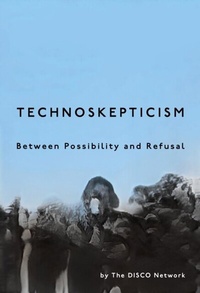
Technoskepticism
Between Possibility and Refusal
Published on 11. February 2025
240 pages
978-1-5036-4136-5 (ISBN)
Available for download
Description

From Munchausen by Tiktok to wellness apps to online communities to AI, the DISCO Network explores the possibilities that technoskepticism can create.
This is a book about possibility and refusal in relation to new technologies. Though refusal is an especially powerful mode-particularly for those who have historically not been given the option to say no-people of color and disabled people have long navigated the space between saying yes and saying no to the newest technologies. Technoskepticism relates some of these stories to reveal the possibilities skepticism can create.
The case for technoskepticism unfolds across three sections: the first focused on disability, the creative use of wellness apps, and the desire for diagnosis; the second on digital nostalgia and home for Black and Asian users who produced communities online before home pages gave way to profiles; and the third focused on the violence inherent in A.I.-generated Black bodies and the possibilities for Black style in the age of A.I. Acknowledging how the urge to refuse new technologies emerges from specific racialized histories, the authors also emphasize how care can look like an exuberant embrace of the new.
This is a book about possibility and refusal in relation to new technologies. Though refusal is an especially powerful mode-particularly for those who have historically not been given the option to say no-people of color and disabled people have long navigated the space between saying yes and saying no to the newest technologies. Technoskepticism relates some of these stories to reveal the possibilities skepticism can create.
The case for technoskepticism unfolds across three sections: the first focused on disability, the creative use of wellness apps, and the desire for diagnosis; the second on digital nostalgia and home for Black and Asian users who produced communities online before home pages gave way to profiles; and the third focused on the violence inherent in A.I.-generated Black bodies and the possibilities for Black style in the age of A.I. Acknowledging how the urge to refuse new technologies emerges from specific racialized histories, the authors also emphasize how care can look like an exuberant embrace of the new.
Reviews / Votes
"Do you struggle with your technologies, feeling both disgust and desire as you stroke your devices? Then this is the book for you. Full of wit and insight, Technoskepticism may be the cure for what ails you."-Tara McPherson, author of Feminist in a Software Lab: Difference + Design "Collaboratively written in a lucid and engaging style, Technoskepticism is a generous gift, a vital and solely needed offering to those of us who work, study, and live in and through our crisis-ridden present."
-Kara Keeling, author of Queer Times, Black Futures "Technoskepticism models the messiness and necessity of intellectual collaboration and nuance. Its multivocality incorporates details of specific digital cultures and evocative personal experiences, ultimately leading readers to make unexpected and powerful connections in how we might live and think between possibility and refusal."
-Elizabeth Ellcessor, author of In Case of Emergency: How Technologies Mediate Crisis and Normalize Inequality "Engaging and critically inspiring."
--Louise Amoore, author of Cloud Ethics: Algorithms and the Attributes of Ourselves and Others
More details
Series
Edition
New edition
Language
English
Place of publication
Palo Alto
United States
Target group
Professional and scholarly
Edition type
New edition
Illustrations
25 halftones
ISBN-13
978-1-5036-4136-5 (9781503641365)
Copyright in bibliographic data and cover images is held by Nielsen Book Services Limited or by the publishers or by their respective licensors: all rights reserved.
Schweitzer Classification
Other editions
Additional editions
Book
02/2025
Stanford University Press
€16.50
Shipment within 15-20 days
Person
The DISCO Network (Digital Inquiry Speculation Collaboration Optimism Network) is an intergenerational collective of researchers, artists, technologists, policymakers, and practitioners working together to challenge digital social and racial inequalities. Participants include David Adelman, Andre Brock, Aaron Dial, Stephanie Dinkins, Rayvon Fouche, Huan He, Jeff Nagy, Lisa Nakamura, Catherine Knight Steele, Rianna Walcott, Josie Williams, Kevin Winstead, M. Remi Yergeau, and Lida Zeitlin-Wu.
Content
Introduction: Possibilities
1. Desiring Diagnosis
2. Searching for Digital Wellness
3. Nostalgia Gone to Bits
4. The Longing for Home: Nostalgia for Digital Platforms
5. Blackness and AI
6. Playing with Black Style: ChatGPT and Black Aesthetics
Conclusion: Refusal
Coda: Aftercare
About the DISCO Network
Notes
Index
1. Desiring Diagnosis
2. Searching for Digital Wellness
3. Nostalgia Gone to Bits
4. The Longing for Home: Nostalgia for Digital Platforms
5. Blackness and AI
6. Playing with Black Style: ChatGPT and Black Aesthetics
Conclusion: Refusal
Coda: Aftercare
About the DISCO Network
Notes
Index

