

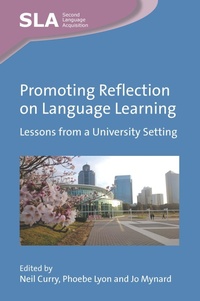
Promoting Reflection on Language Learning
Lessons from a University Setting
Published on 12. September 2023
376 pages
978-1-80041-560-7 (ISBN)
Description

This book brings together a wide range of studies, practical applications and reflective accounts written by academics working at a university in Japan to present a cohesive overview of their collaborative efforts to promote learner reflection within their institution. The book contributes to a shift in language education towards promoting learner responsibility and ownership of their learning through developing a deeper sense of awareness of and motivation for the learning process. It makes a convincing case for showing that not only is promoting reflection possible, but it can also be effectively integrated into language learning activities with significant benefits to the learners. The chapters are highly practical for researchers and practitioners, with the research chapters containing instruments which make them ideal for replication studies. The text includes a wealth of practical tools and activities for practitioners, who will be able to experience first-hand how to facilitate student success and increase satisfaction.
Reviews / Votes
This is an excellent collection on how university language learners (especially in Japan) can reflect on their learning using different tools and evaluate whether their learning goals are succeeding. The book provides valuable insights and proven methods of support for language learners in developing reflective awareness about their own learning. * Thomas S.C. Farrell, Brock University, Canada * A refreshing take on this important aspect of language learning! It brings together theoretical perspectives and a variety of small-scale studies which collectively serve to demystify the process of enhancing learner reflection. The focus on practical tools and activities makes this book invaluable for educators looking to promote reflection in their contexts. * Katherine Thornton, Otemon Gakuin University, Japan * This comprehensive volume provides a wealth of knowledge and insightful perspectives on the importance of reflection in language learning. With an array of innovative practices, readers will discover and be inspired by effective strategies to promote reflection both inside and outside the classroom, individually and collaboratively. Don't miss out on this inspiring read! * Asta Haukas, University of Bergen, Norway * The book is accessible to researchers and practitioners at all levels, who may be interested in incorporating reflections into their classrooms, whether at the tertiary, secondary, or even middle-school levels. The clear presentation of the setting, participants and methodology should allow adaptation of findings to all different levels and the suggestions for further research and literature recommendations. * Mizuka Tsukamoto, Ryukoku University, Japan, JALT Journal, 47.2, November 2025 *More details
Series
Language
English
Place of publication
Bristol
United Kingdom
Target group
College/higher education
Professional and scholarly
Product notice
Reflowable
ISBN-13
978-1-80041-560-7 (9781800415607)
Copyright in bibliographic data and cover images is held by Nielsen Book Services Limited or by the publishers or by their respective licensors: all rights reserved.
Schweitzer Classification
Other editions
Additional editions
Neil Curry | Phoebe Lyon | Jo Mynard
Promoting Reflection on Language Learning
Lessons from a University Setting
Book
09/2023
Multilingual Matters
€61.90
Shipment within 10-20 days
Persons
Neil Curry has been a Learning Advisor in the Self-Access Learning Center at Kanda University of International Studies, Japan, since 2013. As well as being responsible for the department's curriculum development, his primary interests include learner autonomy, self-directed learning, foreign language anxiety and reflection on learning.
Phoebe Lyon is a Principal Lecturer for Curriculum and Assessment and lecturer in the ELI at Kanda University of International Studies, Japan. Her research interests include learner autonomy, learner identity, curriculum and materials development and assessment.
Jo Mynard is a Professor, Director of the Self-Access Learning Center and Director of the Research Institute for Learner Autonomy Education at Kanda University of International Studies, Japan.
Phoebe Lyon is a Principal Lecturer for Curriculum and Assessment and lecturer in the ELI at Kanda University of International Studies, Japan. Her research interests include learner autonomy, learner identity, curriculum and materials development and assessment.
Jo Mynard is a Professor, Director of the Self-Access Learning Center and Director of the Research Institute for Learner Autonomy Education at Kanda University of International Studies, Japan.
Content
Contributors
Foreword. Hayo Reinders
Part 1: Setting the Scene
Chapter 1. Jo Mynard, Neil Curry and Phoebe Lyon: Promoting Reflection on Language Learning: Introduction
Chapter 2. Neil Curry: Overview of the Institutional and Educational Context
Part 2: Theoretical Constructs
Chapter 3. Jo Mynard: Promoting Reflection on Language Learning: A Brief Summary of the Literature
Chapter 4. Satoko Kato: Reflecting through Dialogue
Part 3: Insights from Initial Studies
Chapter 5. Phoebe Lyon, Amanda J. Yoshida, Heather Yoder, Ewen MacDonald, Dominique Vola Ambinintsoa and Neil Curry: Fostering Learner Development through Reflection: How the Project Started
Chapter 6. Neil Curry, Phoebe Lyon, Amanda J. Yoshida, Heather Yoder, Ewen MacDonald and Dominique Vola Ambinintsoa: Developing Instruments and Tools to Examine Reflection in Our Context
Chapter 7. Ross Sampson: Encouraging Introspection on Speaking Performance in Class: Findings from Student Reflections
Part 4: Intervention Studies
Chapter 8. Ewen MacDonald: Tools and Techniques for Helping Language Learners Manage their Target Language Use in the Classroom
Chapter 9. Dominique Vola Ambinintsoa and Ewen MacDonald: A Reflection Intervention: Investigating Effectiveness and Students' Perceptions
Chapter 10. Amanda J. Yoshida: Learner Reflection on Group Work and Leadership Skills
Chapter 11. Christine Pemberton and Jo Mynard: Promoting and Evaluating Students' Development of Self-Directed Language Learning and Reflective Abilities
Chapter 12. Allen Ying and Haruka Ubukata: Understanding the Effectiveness of Reflection on Fluency Writing and Grammar Logs
Part 5: Reflection and Technology
Chapter 13. Charlotte Lin and Jo Mynard: Considerations for Promoting Reflection on Language Learning with Technology: Insights from Stakeholders
Chapter 14. Jared R. Baierschmidt: Incorporating Reflective Practices into a Class about Learning English through Video Games
Chapter 15. Prateek Sharma: Facilitating Student Reflection Using an Online Platform
Chapter 16. Robert Stevenson and Phillip A. Bennett: Reflective Practice for Transformative Learning in a MOOC Course
Part 6: Tools and Activities for Promoting Reflection in Practice
Chapter 17. Yuri Imamura and Isra Wongsarnpigoon: Promoting Reflective Dialogue through Introductory Self-Directed Learning Courses
Chapter 18. Huw Davies and Amelia Yarwood: Training Reflective Learners: Designing, Implementing and Evaluating Reflective Activities in a Self-Study Module
Chapter 19. Malgorzata Polczynska, Jeffrey Goncalves and Eduardo Castro: Fostering Interactive Reflection on Language Learning through the Use of Advising Tools
Part 7: Retrospective Reflections
Chapter 20. Haruka Ubukata and Tim Murphey: Reflective Action Logging: Well-Becoming and Learning
Chapter 21. Amanda J. Yoshida: A Teacher Learns How to Advise
Chapter 22. Phillip A. Bennett: Practice What You Teach: Supporting from Student Perspectives
Part 8: Conclusions
Phoebe Lyon: Conclusions: How Can We Promote Reflection on Language Learning?
Index
Foreword. Hayo Reinders
Part 1: Setting the Scene
Chapter 1. Jo Mynard, Neil Curry and Phoebe Lyon: Promoting Reflection on Language Learning: Introduction
Chapter 2. Neil Curry: Overview of the Institutional and Educational Context
Part 2: Theoretical Constructs
Chapter 3. Jo Mynard: Promoting Reflection on Language Learning: A Brief Summary of the Literature
Chapter 4. Satoko Kato: Reflecting through Dialogue
Part 3: Insights from Initial Studies
Chapter 5. Phoebe Lyon, Amanda J. Yoshida, Heather Yoder, Ewen MacDonald, Dominique Vola Ambinintsoa and Neil Curry: Fostering Learner Development through Reflection: How the Project Started
Chapter 6. Neil Curry, Phoebe Lyon, Amanda J. Yoshida, Heather Yoder, Ewen MacDonald and Dominique Vola Ambinintsoa: Developing Instruments and Tools to Examine Reflection in Our Context
Chapter 7. Ross Sampson: Encouraging Introspection on Speaking Performance in Class: Findings from Student Reflections
Part 4: Intervention Studies
Chapter 8. Ewen MacDonald: Tools and Techniques for Helping Language Learners Manage their Target Language Use in the Classroom
Chapter 9. Dominique Vola Ambinintsoa and Ewen MacDonald: A Reflection Intervention: Investigating Effectiveness and Students' Perceptions
Chapter 10. Amanda J. Yoshida: Learner Reflection on Group Work and Leadership Skills
Chapter 11. Christine Pemberton and Jo Mynard: Promoting and Evaluating Students' Development of Self-Directed Language Learning and Reflective Abilities
Chapter 12. Allen Ying and Haruka Ubukata: Understanding the Effectiveness of Reflection on Fluency Writing and Grammar Logs
Part 5: Reflection and Technology
Chapter 13. Charlotte Lin and Jo Mynard: Considerations for Promoting Reflection on Language Learning with Technology: Insights from Stakeholders
Chapter 14. Jared R. Baierschmidt: Incorporating Reflective Practices into a Class about Learning English through Video Games
Chapter 15. Prateek Sharma: Facilitating Student Reflection Using an Online Platform
Chapter 16. Robert Stevenson and Phillip A. Bennett: Reflective Practice for Transformative Learning in a MOOC Course
Part 6: Tools and Activities for Promoting Reflection in Practice
Chapter 17. Yuri Imamura and Isra Wongsarnpigoon: Promoting Reflective Dialogue through Introductory Self-Directed Learning Courses
Chapter 18. Huw Davies and Amelia Yarwood: Training Reflective Learners: Designing, Implementing and Evaluating Reflective Activities in a Self-Study Module
Chapter 19. Malgorzata Polczynska, Jeffrey Goncalves and Eduardo Castro: Fostering Interactive Reflection on Language Learning through the Use of Advising Tools
Part 7: Retrospective Reflections
Chapter 20. Haruka Ubukata and Tim Murphey: Reflective Action Logging: Well-Becoming and Learning
Chapter 21. Amanda J. Yoshida: A Teacher Learns How to Advise
Chapter 22. Phillip A. Bennett: Practice What You Teach: Supporting from Student Perspectives
Part 8: Conclusions
Phoebe Lyon: Conclusions: How Can We Promote Reflection on Language Learning?
Index
