

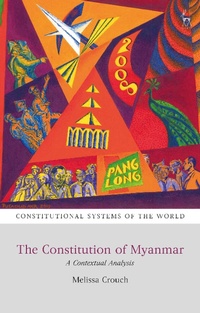
The Constitution of Myanmar
A Contextual Analysis
1st Edition
Published on 5. September 2019
240 pages
978-1-5099-2736-4 (ISBN)
Description

This timely and accessible book is the first to provide a thorough analysis of the 2008 Constitution of Myanmar (Burma) in its historical, political and social context. The book identifies and articulates the principles of the Constitution through an in-depth analysis of legal and political processes and practises, particularly since the 1990s. The core argument of this book is that the 2008 Constitution is crucial to the establishment and maintenance of the military-state. The military-state promotes the leadership role of the military in governance based on a set of ideological commitments and a centralised form of organisation based on the concept of the Union. The book develops this argument by demonstrating how the process of constitution-making and the substance of the 2008 Constitution contribute to its lack of credibility and fuel demands for reform. The vision offered by the 2008 Constitution and its associated institutions has been the subject of fierce contestation, not least, for example, due to concerns over the militarisation of the state. This book is animated by debates over fundamental ideas such as the nature of democracy, the possibility of peace and federalism, the relationship between the executive and the legislature, relations between the Union government and sub-national governments, debates over judicial independence and the oversized role of the Tatmadaw (armed forces). Central to the future of the Constitution and the military-state is the role of the Tatmadaw, which will be a key determinant in any potential shift from the present highly centralised, partly-democratic Union to a federal or decentralised democratic system of governance.
More details
Series
Edition
1. Auflage
Language
English
Place of publication
London
United Kingdom
Publishing group
Bloomsbury Publishing PLC
Target group
College/higher education
ISBN-13
978-1-5099-2736-4 (9781509927364)
Copyright in bibliographic data and cover images is held by Nielsen Book Services Limited or by the publishers or by their respective licensors: all rights reserved.
Schweitzer Classification
Other editions
Additional editions
Book
05/2020
Hart Publishing
€34.70
Shipment within 15-20 days
Person
Melissa Crouch is Associate Professor in Law at the University of New South Wales.
Content
1. Introducing Myanmar's 2008 Constitution
I. Constitutional Context
II. Constitutional Codification and the Constitutional Tribunal
III. The Constitution in a Military-state
IV. Organisation of the Book
2. The Origins and Content of the 2008 Constitution: An Overview
I. Parliamentary Democracy and the 1947 Constitution
II. Ne Win's 'Burmese' Socialism and the 1974 Constitution
III. The Military and Constitution-making: 1990S-2000S
IV. The Preamble and the Basic Principles of the Constitution
V. Conclusion
3. The Military: The Pre-eminence of the Tatmadaw in Governance
I. The Three Main National Causes
II. The Commander-in-Chief
III. Forces Affiliated with the Tatmadaw
IV. The National Defence and Security Council
V. States of Emergency
VI. Tatmadaw Watchmen in the Legislature
VII. Courts Martial
VIII. Conclusion
4. The Electoral System and Limits on Political Participation
I. Political Parties and Candidates
II. The Right to Vote and Run for Office
III. The Proposal for Proportional Representation
IV. The Administration of Elections
V. The Resolution of Electoral Disputes
VI. Complaints Against Legislators: The Right to Recall
VII. Conclusion
5. The Legislature
I. The Union Legislature: A Tricameral System
II. The Loyalties, Privileges and Responsibilities of Legislators
III. The Scope of Legislative Power
IV. Conclusion
6. The Executive
I. The President as Head of the Union
II. The Centralising Mandate of the Union Government
III. Constitutional Commitments to a Market Economy
IV. Aung San Suu Kyi and the Office of the State Counsellor
V. The Administration of Union Territories
VI. Conclusion
7. Subnational Governance, Federalism and Ethnic Recognition
I. Territorial Representation: States and Regions
II. Sub-national Legislative Representation of National Races
III. Special Governance Arrangements for Six Areas
IV. Conclusion
8. The Judiciary as an Administrative Institution
I. The Union Supreme Court
II. Sub-national Courts in a Unitary Judicial System
III. The Constitutional Tribunal
IV. Conclusion
9. Constitutional Duties and the Contingency of Rights
I. The Status of International Law and Conventions
II. The Pre-eminence of Duties
III. Constitutional Writs in the Supreme Court
IV. The National Human Rights Commission
V. Conclusion
10. The Peace Process and Constitutional Change
I. The Peace Process: Normalising Debates on Federalism
II. The National Ceasefire Agreement: Peace in the Military-state
III. The 37 Principles as Constitutional Foundation 6
IV. The Process and Procedure of Constitutional Amendment
V. Proposals for Constitutional Reform
VI. Conclusion
11. Conclusion
I. The Centrality of the Constitution to the Military-state
II. Implications for Comparative Constitutional Inquiry
I. Constitutional Context
II. Constitutional Codification and the Constitutional Tribunal
III. The Constitution in a Military-state
IV. Organisation of the Book
2. The Origins and Content of the 2008 Constitution: An Overview
I. Parliamentary Democracy and the 1947 Constitution
II. Ne Win's 'Burmese' Socialism and the 1974 Constitution
III. The Military and Constitution-making: 1990S-2000S
IV. The Preamble and the Basic Principles of the Constitution
V. Conclusion
3. The Military: The Pre-eminence of the Tatmadaw in Governance
I. The Three Main National Causes
II. The Commander-in-Chief
III. Forces Affiliated with the Tatmadaw
IV. The National Defence and Security Council
V. States of Emergency
VI. Tatmadaw Watchmen in the Legislature
VII. Courts Martial
VIII. Conclusion
4. The Electoral System and Limits on Political Participation
I. Political Parties and Candidates
II. The Right to Vote and Run for Office
III. The Proposal for Proportional Representation
IV. The Administration of Elections
V. The Resolution of Electoral Disputes
VI. Complaints Against Legislators: The Right to Recall
VII. Conclusion
5. The Legislature
I. The Union Legislature: A Tricameral System
II. The Loyalties, Privileges and Responsibilities of Legislators
III. The Scope of Legislative Power
IV. Conclusion
6. The Executive
I. The President as Head of the Union
II. The Centralising Mandate of the Union Government
III. Constitutional Commitments to a Market Economy
IV. Aung San Suu Kyi and the Office of the State Counsellor
V. The Administration of Union Territories
VI. Conclusion
7. Subnational Governance, Federalism and Ethnic Recognition
I. Territorial Representation: States and Regions
II. Sub-national Legislative Representation of National Races
III. Special Governance Arrangements for Six Areas
IV. Conclusion
8. The Judiciary as an Administrative Institution
I. The Union Supreme Court
II. Sub-national Courts in a Unitary Judicial System
III. The Constitutional Tribunal
IV. Conclusion
9. Constitutional Duties and the Contingency of Rights
I. The Status of International Law and Conventions
II. The Pre-eminence of Duties
III. Constitutional Writs in the Supreme Court
IV. The National Human Rights Commission
V. Conclusion
10. The Peace Process and Constitutional Change
I. The Peace Process: Normalising Debates on Federalism
II. The National Ceasefire Agreement: Peace in the Military-state
III. The 37 Principles as Constitutional Foundation 6
IV. The Process and Procedure of Constitutional Amendment
V. Proposals for Constitutional Reform
VI. Conclusion
11. Conclusion
I. The Centrality of the Constitution to the Military-state
II. Implications for Comparative Constitutional Inquiry
