

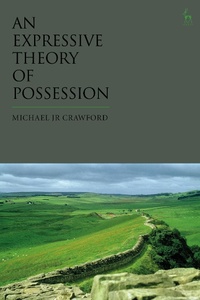
An Expressive Theory of Possession
1st Edition
Published on 9. July 2020
208 pages
978-1-5099-2994-8 (ISBN)
Description

Possession is a foundational concept in property law. Despite its undoubted importance, it is poorly understood and a perennial source of confusion. Indeed, there is a widely held view amongst lawyers that possession is an irredeemably ambiguous and amorphous concept. This book aims to challenge this conventional wisdom and to demonstrate that possession is in fact far simpler than generations of lawyers have been led to believe.
In viewing possession as a knotty problem for the philosopher or legal theoretician, scholars are apt to overlook the important truth that possession is a concept that laymen routinely and, for the most part, effortlessly apply as they navigate through the countless property interactions that shape everyday life. The key to understanding the nature and function of possession in the law is to appreciate that the possession 'rule' is, first and foremost, a spontaneously emergent phenomenon. Possession describes those acts that, as a matter of an extra-legal convention, constitute the accepted way in which members of a given population stake their claims to tangible things.
Fusing traditional legal analysis with insights from philosophy and economics, An Expressive Theory of Possession applies this central claim to both theoretical and doctrinal problems in property law and, in doing so, provides a coherent explanation of possession and its role in law and life.
In viewing possession as a knotty problem for the philosopher or legal theoretician, scholars are apt to overlook the important truth that possession is a concept that laymen routinely and, for the most part, effortlessly apply as they navigate through the countless property interactions that shape everyday life. The key to understanding the nature and function of possession in the law is to appreciate that the possession 'rule' is, first and foremost, a spontaneously emergent phenomenon. Possession describes those acts that, as a matter of an extra-legal convention, constitute the accepted way in which members of a given population stake their claims to tangible things.
Fusing traditional legal analysis with insights from philosophy and economics, An Expressive Theory of Possession applies this central claim to both theoretical and doctrinal problems in property law and, in doing so, provides a coherent explanation of possession and its role in law and life.
More details
Edition
1. Auflage
Language
English
Place of publication
London
United Kingdom
Publishing group
Bloomsbury Publishing PLC
Target group
Professional and scholarly
ISBN-13
978-1-5099-2994-8 (9781509929948)
Copyright in bibliographic data and cover images is held by Nielsen Book Services Limited or by the publishers or by their respective licensors: all rights reserved.
Schweitzer Classification
Other editions
Additional editions
Michael JR Crawford
An Expressive Theory of Possession
Book
01/2022
Hart Publishing
€60.91
Shipment within 15-20 days
Michael JR Crawford
An Expressive Theory of Possession
Book
07/2020
Hart Publishing
€126.48
Shipment within 15-20 days
Person
Content
Introduction
I. The Possession Puzzle
II. Scope of the Book
III. Methodological Divergence in Private Law Scholarship
IV. Central Arguments
V. Chapter Outlines
VI. A Note on Nomenclature
1. 'Exclusion' and 'Possession': An Introduction to Property Rights
I. Introduction
II. What is a 'Thing' and How Do I Get One?
III. The Content of a Property Right
IV. The Exclusion Model of Property Rights
V. The Exclusion Model and Tort
VI. Property Limitation Rules
VII. Uncoupling 'Property' and 'Possession'
VIII. Conclusion
2. Facts, Rights and Other Things: Laying the Conceptual Foundations
I. Introduction
II. What is Possession? Some Views from the Academy
III. Playing Word Games: The Language of Possession
IV. Jural and Non-Jural Concepts
V. Ownership and Relative Title
VI. Conclusion
3. An Expressive Theory of Possession
I. Introduction
II. What Counts as 'Possession'?
III. The Expressive Theory of Possession
IV. Limiting the Vocabulary of Possession
V. Do Courts Apply the Expressive Theory?
VI. Conclusion
4. The Possession Convention
I. Introduction
II. Explanations of the Possession Rule
III. David Hume's Theory of Property
IV. Conventions
V. The Role of Salience in Conventions
VI. From Conventions to Norms
VII. Conclusion
5. Possession and Fairness
I. Introduction
II. Hume's Guillotine and Locke's Proviso: Epstein's Partial Defence of the Possession Rule
III. Is Possession Fair?
IV. The Place of Conventions in the Law
V. Conclusion
6. Losing, Finding and the Limits of Possession 2
I. Introduction
II. The Rules in Outline
III. Are these Rules Possessory?
IV. Instrumental Justifications
V. Are the Rules on Finding Desirable?
VI. Navigating the Property Universe
VII. Conclusion
7. Theft, Good Faith Purchase and the Limits of Conventions
I. Introduction
II. Possession and Theft
III. Possession and Bona Fide Purchase
IV. Conclusion
Conclusion
I. The Possession Puzzle
II. Scope of the Book
III. Methodological Divergence in Private Law Scholarship
IV. Central Arguments
V. Chapter Outlines
VI. A Note on Nomenclature
1. 'Exclusion' and 'Possession': An Introduction to Property Rights
I. Introduction
II. What is a 'Thing' and How Do I Get One?
III. The Content of a Property Right
IV. The Exclusion Model of Property Rights
V. The Exclusion Model and Tort
VI. Property Limitation Rules
VII. Uncoupling 'Property' and 'Possession'
VIII. Conclusion
2. Facts, Rights and Other Things: Laying the Conceptual Foundations
I. Introduction
II. What is Possession? Some Views from the Academy
III. Playing Word Games: The Language of Possession
IV. Jural and Non-Jural Concepts
V. Ownership and Relative Title
VI. Conclusion
3. An Expressive Theory of Possession
I. Introduction
II. What Counts as 'Possession'?
III. The Expressive Theory of Possession
IV. Limiting the Vocabulary of Possession
V. Do Courts Apply the Expressive Theory?
VI. Conclusion
4. The Possession Convention
I. Introduction
II. Explanations of the Possession Rule
III. David Hume's Theory of Property
IV. Conventions
V. The Role of Salience in Conventions
VI. From Conventions to Norms
VII. Conclusion
5. Possession and Fairness
I. Introduction
II. Hume's Guillotine and Locke's Proviso: Epstein's Partial Defence of the Possession Rule
III. Is Possession Fair?
IV. The Place of Conventions in the Law
V. Conclusion
6. Losing, Finding and the Limits of Possession 2
I. Introduction
II. The Rules in Outline
III. Are these Rules Possessory?
IV. Instrumental Justifications
V. Are the Rules on Finding Desirable?
VI. Navigating the Property Universe
VII. Conclusion
7. Theft, Good Faith Purchase and the Limits of Conventions
I. Introduction
II. Possession and Theft
III. Possession and Bona Fide Purchase
IV. Conclusion
Conclusion
