

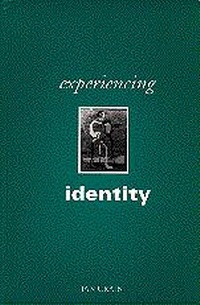
Experiencing Identity
1st Edition
Published on 8. July 1998
208 pages
978-0-85702-606-4 (ISBN)
Description

`I recommend this book to all readers interested in thinking about the self; I am sure that anyone who reads it will come away with some new ideas' - Therapeutic Communities
This critical and comprehensive examination of the relation of theory and identity discusses definitions of identity in classical social theory, modern social theory and psychoanalysis.
The introduction is a critique of existing sociological accounts of identity, arguing that these are incurably cognitive, treating the people that they study as incapable of experiencing an internal life or internal space. The book then considers the implications of this in social theory and human practice.
This critical and comprehensive examination of the relation of theory and identity discusses definitions of identity in classical social theory, modern social theory and psychoanalysis.
The introduction is a critique of existing sociological accounts of identity, arguing that these are incurably cognitive, treating the people that they study as incapable of experiencing an internal life or internal space. The book then considers the implications of this in social theory and human practice.
Reviews / Votes
`I recommend this book to all readers interested in thinking about the self; I am sure that anyone who reads it will come away with some new ideas' - Therapeutic CommunitiesMore details
Language
English
Place of publication
London
United Kingdom
Target group
College/higher education
Professional and scholarly
ISBN-13
978-0-85702-606-4 (9780857026064)
Copyright in bibliographic data and cover images is held by Nielsen Book Services Limited or by the publishers or by their respective licensors: all rights reserved.
Schweitzer Classification
Other editions
Additional editions
Ian Craib
Experiencing Identity
Book
07/1998
1st Edition
SAGE Publications Inc
€309.00
Shipment within 15-20 days
Ian Craib
Experiencing Identity
Book
07/1998
1st Edition
SAGE Publications Inc
€120.60
Shipment within 15-20 days
Person
Content
Introduction
Sociology and Identity
PART ONE: IDENTITY, EXPERIENCE AND POLITICS
Lukacs
Experience, Identity and Philosophy
The Politics of Experience
Psychoanalysis, Experience and Politics
The Problem of Ambivalence
PART TWO: IDENTITY, EXPERIENCE AND SOCIOLOGY
Back to Utopia
Giddens and Modern Social Theory
Goffman
Frame Analysis
Masculinity and Male Dominance
The Sociology of the Emotions
Sociological Literature and Literary Sociology
Some Notes on John Berger's G
PART THREE: IDENTITY, EXPERIENCE AND PSYCHOANALYSIS
Freud and Philosophy
The Psychodynamics of Theory
What's Happening to Mourning?
Conclusion
Experiencing Identity
Sociology and Identity
PART ONE: IDENTITY, EXPERIENCE AND POLITICS
Lukacs
Experience, Identity and Philosophy
The Politics of Experience
Psychoanalysis, Experience and Politics
The Problem of Ambivalence
PART TWO: IDENTITY, EXPERIENCE AND SOCIOLOGY
Back to Utopia
Giddens and Modern Social Theory
Goffman
Frame Analysis
Masculinity and Male Dominance
The Sociology of the Emotions
Sociological Literature and Literary Sociology
Some Notes on John Berger's G
PART THREE: IDENTITY, EXPERIENCE AND PSYCHOANALYSIS
Freud and Philosophy
The Psychodynamics of Theory
What's Happening to Mourning?
Conclusion
Experiencing Identity
