


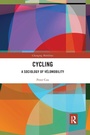
Cycling
A Sociology of Velomobility
Published on 15. March 2019
212 pages
978-1-315-53367-4 (ISBN)
Description

Cycling: A Sociology of Velomobility explores cycling as a sociological phenomenon. Drawing on extensive ethnographic fieldwork, it considers the interaction of materials, competencies and meanings that comprise a variety of cycling practices. What might appear at first to be self-evident actions are shown to be constructed through the interplay of numerous social and political forces. Using a theoretical framework from mobilities studies, its central themes respond to the question of what it is about cycling that provokes so much interest and passion, both positive and negative.
Individual chapters consider how cycling has appeared as theme and illustration in social theory, as well as the legacies of these theorizations. The book expands on the image of cycling practices as the product of an assemblage of technology, rider and environment. Riding spaces as material technologies are found to be as important as the machinery of the cycle, and a distinction is made between routes and rides to help interpret aspects of journey-making. Ideas of both affordance and script are used to explore how elements interact in performance to create sensory and experiential scapes. Consideration is also given to the changing identities of cycling practices in historical and geographical perspective.
The book adds to existing research by extending the theorization of cycling mobilities. It engages with both current and past debates on the place of cycling in mobility systems and the problems of researching, analyzing and communicating ephemeral mobile experiences.
Individual chapters consider how cycling has appeared as theme and illustration in social theory, as well as the legacies of these theorizations. The book expands on the image of cycling practices as the product of an assemblage of technology, rider and environment. Riding spaces as material technologies are found to be as important as the machinery of the cycle, and a distinction is made between routes and rides to help interpret aspects of journey-making. Ideas of both affordance and script are used to explore how elements interact in performance to create sensory and experiential scapes. Consideration is also given to the changing identities of cycling practices in historical and geographical perspective.
The book adds to existing research by extending the theorization of cycling mobilities. It engages with both current and past debates on the place of cycling in mobility systems and the problems of researching, analyzing and communicating ephemeral mobile experiences.
Reviews / Votes
'Cycling: A sociology of velomobility is as the title indicates a sociological tome that will please and challenge sociologists of sport and culture, but it is far more than this. It is a must read for urban theorists and planners as well as anyone who lives in the city, regardless of their interest in or association with cycling.'Duncan R. Jamieson, Ashland University, Ohio
More details
Series
Language
English
Place of publication
London
United Kingdom
Publishing group
Taylor & Francis Ltd
Target group
College/higher education
Product notice
Reflowable
Illustrations
2 Line drawings, black and white; 2 Illustrations, black and white
File size
1,18 MB
ISBN-13
978-1-315-53367-4 (9781315533674)
Copyright in bibliographic data and cover images is held by Nielsen Book Services Limited or by the publishers or by their respective licensors: all rights reserved.
Schweitzer Classification
Other editions
Person
Peter Cox is Professor of Sociology at the University of Chester. He chairs the international network, Scientists for Cycling, which supports the work of the European Cyclists' Federation and was a founding member of the Cycling and Society Research Group in 2004. Prior to academic life, he ran his own cycle business and still enjoys riding and fixing a variety of cycles, old and new.
Content
Introduction
1. Towards a Sociology of Cycles and Cycling
2. Researching Bicycling
3. Materials: Cycle Technologies
4. Environments: Material Spaces of Cycling
5. Exploring (Im)Material Space
6. Competencies: Riding Alone
7. Travelling Together
8. Meanings, Representations and Identities
9. Riding the City: Public Meanings and Cycling Advocacy
1. Towards a Sociology of Cycles and Cycling
2. Researching Bicycling
3. Materials: Cycle Technologies
4. Environments: Material Spaces of Cycling
5. Exploring (Im)Material Space
6. Competencies: Riding Alone
7. Travelling Together
8. Meanings, Representations and Identities
9. Riding the City: Public Meanings and Cycling Advocacy
