

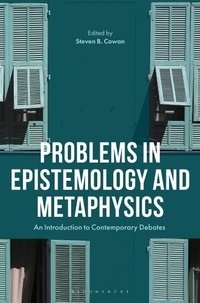
Problems in Epistemology and Metaphysics
An Introduction to Contemporary Debates
1st Edition
Published on 6. February 2020
416 pages
978-1-350-01607-1 (ISBN)
Description

Problems in Epistemology and Metaphysics takes a pro and con approach to two central philosophical topics.
Each chapter begins with a question: Can We Have Knowledge? How are Beliefs Justified? What is the mind? Contemporary philosophers with opposing viewpoints are then paired together to argue their position and raise problems with conflicting standpoints. Alongside an up-to-date introduction to a core philosophical stance, each contributor provides a critical response to their opponent and clear explanation of their view.
Discussion questions are included at the end of each chapter to guide further discussion.
With chapters covering core questions surrounding religious beliefs, scientific knowledge, truth, being and reality, this is a comprehensive introduction to debates lying at the heart of what we know, how we know it and the nature of the world we live in.
Each chapter begins with a question: Can We Have Knowledge? How are Beliefs Justified? What is the mind? Contemporary philosophers with opposing viewpoints are then paired together to argue their position and raise problems with conflicting standpoints. Alongside an up-to-date introduction to a core philosophical stance, each contributor provides a critical response to their opponent and clear explanation of their view.
Discussion questions are included at the end of each chapter to guide further discussion.
With chapters covering core questions surrounding religious beliefs, scientific knowledge, truth, being and reality, this is a comprehensive introduction to debates lying at the heart of what we know, how we know it and the nature of the world we live in.
More details
Edition
1. Auflage
Language
English
Place of publication
London
United Kingdom
Publishing group
Bloomsbury Publishing PLC
Target group
College/higher education
ISBN-13
978-1-350-01607-1 (9781350016071)
Copyright in bibliographic data and cover images is held by Nielsen Book Services Limited or by the publishers or by their respective licensors: all rights reserved.
Schweitzer Classification
Other editions
Additional editions
Book
02/2020
Bloomsbury Academic
€123.30
Shipment within 15-20 days
Book
02/2020
Bloomsbury Academic
€54.65
Shipment within 15-20 days
Person
Steven B. Cowan is Assistant Professor of Philosophy and Religion and Director of the Philosophy and Religion Program at Lincoln Memorial University, USA.
Content
List of Contributors
Acknowledgements
Introduction, Steven B. Cowan
Part I: Problems in Epistemology
Introduction to Part One, Steven B. Cowan
1. Can We Have Knowledge?
We Can Know, Michael Huemer
We Can't Know, Markus Lammenranta
Responses:
Lammenranta's Response to Huemer
Huemer's Response to Lammenranta
2. How Are Beliefs Justified?
Beliefs Can Be Justified by Experience, Daniel Howard-Snyder
Beliefs Are Justified by Coherence, Kevin McCain and Ted Poston
Responses:
McCain's and Poston's Response to Howard-Snyder
Howard-Snyder's Response to McCain and Poston
3. Must the Grounds of Knowledge Be Accessible to the Knower?
The Grounds of Knowledge Must Be Accessible, Ali Hasan
The Grounds of Knowledge Need Not Be Accessible, Stephen Hetherington
Responses:
Hetherington's Response to Hasan
Hasan's Response to Hetherington
4. Do Religious Beliefs Require Evidence?
Religious Beliefs Require Evidence, Trent Dougherty
Religious Beliefs Don't Require Evidence, Thomas D. Senor
Responses:
Senor's Response to Dougherty
Dougherty's Response to Senor
5. Can Science Discover the Truth about Reality?
Science Discovers the Truth about Reality, Stathis Psillos
Science Does Not Discover the Truth about Reality, Darrell P. Rowbottom
Responses:
Rowbottom's Response to Psillos
Psillos's Response to Rowbottom
6. Are Scientific Explanations Limited to Natural Causes?
Scientific Explanations Are Limited to Natural Causes, Robert C. Bishop
Scientific Explanations Are Not Limited to Natural Causes, Bruce L. Gordon
Responses:
Gordon's Response to Bishop
Bishop's Response to Gordon
Essay Suggestions
For Further Reading
Part II: Problems in Metaphysics
Introduction to Part II, Steven B. Cowan
7. Are There Universals?
There Are Universals, Paul Gould
There Are No Universals, Guido Imaguire
Responses:
Imaguire's Response to Gould
Gould's Response to Imaguire
8. What Is the Mind?
The Mind is Material, Andrew Melnyk
The Mind is Immaterial, Charles Taliaferro
Responses:
Taliaferro's Response to Melnyk
Melnyk's Response to Taliaferro
9. Is Freedom Compatible with Determinism?
Freedom Is Not Compatible with Determinism, Christopher Franklin
Freedom Is Compatible with Determinism, Steven B. Cowan
Responses:
Cowan's Response to Franklin
Franklin's Response to Cowan
10. Does God Exist?
God Exists, Joshua Rasmussen
God Does Not Exist, Bruce Russell
Responses:
Russell's Response to Rasmussen
Rasmussen's Response to Russell
Essay Suggestions
For Further Reading
Index
Acknowledgements
Introduction, Steven B. Cowan
Part I: Problems in Epistemology
Introduction to Part One, Steven B. Cowan
1. Can We Have Knowledge?
We Can Know, Michael Huemer
We Can't Know, Markus Lammenranta
Responses:
Lammenranta's Response to Huemer
Huemer's Response to Lammenranta
2. How Are Beliefs Justified?
Beliefs Can Be Justified by Experience, Daniel Howard-Snyder
Beliefs Are Justified by Coherence, Kevin McCain and Ted Poston
Responses:
McCain's and Poston's Response to Howard-Snyder
Howard-Snyder's Response to McCain and Poston
3. Must the Grounds of Knowledge Be Accessible to the Knower?
The Grounds of Knowledge Must Be Accessible, Ali Hasan
The Grounds of Knowledge Need Not Be Accessible, Stephen Hetherington
Responses:
Hetherington's Response to Hasan
Hasan's Response to Hetherington
4. Do Religious Beliefs Require Evidence?
Religious Beliefs Require Evidence, Trent Dougherty
Religious Beliefs Don't Require Evidence, Thomas D. Senor
Responses:
Senor's Response to Dougherty
Dougherty's Response to Senor
5. Can Science Discover the Truth about Reality?
Science Discovers the Truth about Reality, Stathis Psillos
Science Does Not Discover the Truth about Reality, Darrell P. Rowbottom
Responses:
Rowbottom's Response to Psillos
Psillos's Response to Rowbottom
6. Are Scientific Explanations Limited to Natural Causes?
Scientific Explanations Are Limited to Natural Causes, Robert C. Bishop
Scientific Explanations Are Not Limited to Natural Causes, Bruce L. Gordon
Responses:
Gordon's Response to Bishop
Bishop's Response to Gordon
Essay Suggestions
For Further Reading
Part II: Problems in Metaphysics
Introduction to Part II, Steven B. Cowan
7. Are There Universals?
There Are Universals, Paul Gould
There Are No Universals, Guido Imaguire
Responses:
Imaguire's Response to Gould
Gould's Response to Imaguire
8. What Is the Mind?
The Mind is Material, Andrew Melnyk
The Mind is Immaterial, Charles Taliaferro
Responses:
Taliaferro's Response to Melnyk
Melnyk's Response to Taliaferro
9. Is Freedom Compatible with Determinism?
Freedom Is Not Compatible with Determinism, Christopher Franklin
Freedom Is Compatible with Determinism, Steven B. Cowan
Responses:
Cowan's Response to Franklin
Franklin's Response to Cowan
10. Does God Exist?
God Exists, Joshua Rasmussen
God Does Not Exist, Bruce Russell
Responses:
Russell's Response to Rasmussen
Rasmussen's Response to Russell
Essay Suggestions
For Further Reading
Index
