

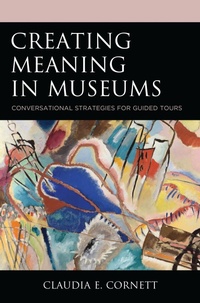
Creating Meaning in Museums
Conversational Strategies for Guided Tours
1st Edition
Published on 8. October 2024
194 pages
978-1-5381-9369-3 (ISBN)
Description

This practical handbook is a proposal for transforming museum tours. The target audience is museum guides, docents and interpreters who are interested in facilitating conversations about seen and unseen meanings in artworks, objects, and artifacts. The goal is to engage visitors in meaning-oriented inquiry which involves "doing" and not just "viewing" creative work.
Grounded in whole to part learning theory and best teaching practices, each chapter includes a tour "vignette" written as a "you are there" experience. The vignettes-from different types of museums-show guides and docents using diverse strategies that invite readers to assume the role of guide and guest. Meaningful Museum Conversations: Strategies for Guiding Tours also offers an extensive Museum Guide Toolkit that aligns with inquiry thinking, and features recurring chapter sections that include Advice from Museum Guides and Adapting for Differences.
Grounded in whole to part learning theory and best teaching practices, each chapter includes a tour "vignette" written as a "you are there" experience. The vignettes-from different types of museums-show guides and docents using diverse strategies that invite readers to assume the role of guide and guest. Meaningful Museum Conversations: Strategies for Guiding Tours also offers an extensive Museum Guide Toolkit that aligns with inquiry thinking, and features recurring chapter sections that include Advice from Museum Guides and Adapting for Differences.
More details
Edition
1. Auflage
Language
English
Place of publication
New York
United States
Publishing group
Bloomsbury Publishing Plc
Illustrations
16 BW Illustrations, 34 Textboxes
ISBN-13
978-1-5381-9369-3 (9781538193693)
Copyright in bibliographic data and cover images is held by Nielsen Book Services Limited or by the publishers or by their respective licensors: all rights reserved.
Schweitzer Classification
Other editions
Additional editions
Book
10/2024
Rowman & Littlefield Publishers
€107.70
Shipment within 3-4 weeks
Person
Claudia Cornett has been a docent for over twenty years and is currently a museum guide and historic interpreter at two museums. After earning a PhD in curriculum and instruction and community education from Miami University, she joined the faculty of Wittenberg University and taught courses on arts integration and arts-based communication for over two decades. Two of her previous textbooks are: Creating Meaning through Literature and the Arts, 5e (Pearson), and Comprehension First: Inquiry into Big Ideas using Important Questions (Routledge). She's also written other professional books and articles and does creative writing. During a wide-ranging consulting career, Claudia has presented hundreds of keynotes and professional development programs for school districts and arts organizations throughout the United States and Europe, and in Canada and Mexico. Her interest in applying creative approaches to museum guide work is rooted in a commitment to helping people create their own meanings and experience the joy of insight.
Content
- Cover
- Half Title
- Title Page
- Copyright Page
- Dedication
- Contents
- Acknowledgments
- Table of Key Resources
- Preface
- Chapter 1: The Case for Live Guides: Creating Meaning in Museums
- Learning Goals
- Live Guides: Who? What? Why? How? Where? When?
- Meaningful Conversations
- Museum Types and Purposes
- Live Guides: Mission and Goals
- The Holy Grail of Learning
- Understanding
- Tour Vignettes: Who? What? Why? How?
- Observation Cues: Tour Vignette
- Vignette: Creative Inquiry into Art
- Debrief: Creative Inquiry Tour
- Creating Inquiry for Understanding and Enjoyment: Who, What, Why, and How?
- Underpinnings of Understanding
- Museum Guide Tool Kit
- Purposes and Guidelines
- Advice from Museum Guides
- Adapting for Differences: Tour Phases
- Tour Beginning: Introduction
- During the Tour: Development
- Recap
- Up Next!
- Resources and Videos
- References
- Chapter 2: The Backbone of Tours: Creative Inquiry Process (CIP)
- Learning Goals
- Creative Inquiry Process (CIP): What? Why? How?
- Think about Thinking
- CIP: What? Why? How?
- CIP Benefits
- Tour Vignette: Charles
- Vignette: 1905 Wright Flyer
- Introduction
- Development
- Closing
- Vignette Debrief
- CIP: From Thinking to Practice
- Creative Thinking Rewind
- Museum Guides and CIP
- Guides in Action
- Museum Guide Tool Kit
- Descriptive Feedback
- Personal Connections
- Fast or Fun Facts
- Cloze Procedure
- Their Own Words (Quotes)
- Multisensory Engagement
- Posing and Responding to Questions
- Advice from Museum Guides
- Adapting for Differences: Needs, Strengths, and Interests
- Museum Guides and DEAI (IDEA)
- Diversity
- Equity
- Accessibility
- Inclusion
- Recap
- Next Up!
- References
- Chapter 3: Tour Introduction: Creating a Context that Invites Inquiry
- Learning Goals
- Context for Meaning Making
- Enduring Patterns: Introduction, Development, Closing
- Visitor Needs, Wants, and Expectations
- Climate and Comfort
- Choice and Control
- Competence and Confidence
- Conversation and Connections
- Challenge and Creative Inquiry
- Five Minutes for First Impressions
- Guide Style
- The Welcome Mat!
- Friendliness
- Good Humor
- Show Comfort with Self
- Museum Etiquette
- Tour Vignette
- Observation Cues
- Vignette: Fort Ancient
- Vignette Debrief
- Planning Tours
- Planning: Challenge-Collect-Connect-Conclude
- Pre-Tour Information
- Museum Guide Tool Kit
- Advice from Museum Guides
- Tour Introduction
- Adapting for Differences: Read the Room Assessment
- Group Arrival
- During the Tour
- Recap
- Up Next!
- References
- Chapter 4: Tour Development: Using Challenge to Spark Curiosity, Interest and Motivation
- Learning Goals
- The Challenge of Becoming a Guide
- Effective Museum Guides and Docents
- Challenge: What? Why? How?
- The Meaning-Making Challenge
- Elements of Challenge
- Clear Goals
- Curiosity, Interest, and Motivation
- How Curiosity Works
- Benefits of Curiosity
- Combining Curiosity and Interest
- Mobilizing Curiosity and Interest
- Curiosity Cons
- Themes and Big Ideas
- Tour Vignette
- Observation Cues
- Vignette: Toulouse Lautrec
- Post Tour
- Tour Debrief
- Museum Guide Tool Kit
- Hooks for Curiosity and Interest
- Sentence Starters
- Advice from Museum Guides
- Adapting for Differences: Disability Etiquette
- Intellectual Disabilities
- Sources
- Recap
- Up Next!
- References
- Chapter 5: Tour Development: Collecting Ideas that Feed Thought
- Learning Goals
- Museums Are for Looking
- Review and Add To
- Collecting Information: Why? What? How?
- Why Collect Information?
- Five Senses
- What and How to Collect Ideas
- Receptive versus Expressive Communication
- Visual Communication
- Strategic Looking
- Categories for Collecting Visual Information
- 2. Form Aspects: Form aspects include organization or design of objects, created with repeated elements, perspective, emphasis, contrast, balance, rhythm, variety, unity, repetition, contrast, perspective, etc. Example questions:
- 3. Expressive Aspects: These are ways to convey ideas and emotions. Example questions:
- 4. Technical Aspects: The technical aspects include materials (found items, oil paint), tools (torch, brush, camera), and methods (mold, paint, print) used to create the work. Example questions:
- 5. Other Categories:
- Example: Strategic Looking for Two to Three Minutes
- Before-and-After Observation
- Strategic/Purposeful Looking Tips
- POVs: Points of View
- Tour Vignette: Lost and Found
- Observation Cues
- Vignette
- Debrief
- Museum Guide Tool Kit
- Before and After Poem (Baird, 2017)
- Half and Half
- Look, Sketch, Web
- Puzzle Pieces (National Portrait Gallery: https://www?.npg?.si?.edu/)
- Advice from Museum Guides
- Adapting for Differences: Adults
- Mature Adults
- Recap
- Up Next!
- References
- Chapter 6: Tour Development: Connecting Ideas to Create Meaning
- Learning Goals
- Connecting: What? Why? How?
- From Collecting to Connecting
- From Seeing to Thinking to Knowing
- Connections and Brainy Processes
- Implications for Guide Practices
- Meaningful Connections
- Understanding Is Complex
- Personal Connections
- Categorizing
- Connecting: Round Up
- 1. Asking process-oriented questions
- 2. Focusing on meaningful categories
- 3. Linking to personal background
- 4. Probing associations and relationships
- 5. Offering thinking frames
- 6. Other Options
- Artifacts: Objects That Revive History
- Entry Points for Artifacts
- Vignette: Verdier House Museum
- Observation Cues
- Vignette: John Mark Verdier House
- Debrief
- Museum Guide Tool Kit: Meaningful Categories
- Advice from Museum Guides: Conversational Tours
- Adapting for Differences: Connecting to Make Meaning
- Recap
- Up Next!
- References
- Chapter 7: Tour Development: Conclusions that Create Sense
- Learning Goals
- Conclusions: What? Why? How?
- Creative Inquiry Process (CIP)
- From Themes to Conclusions
- Conclusions: Universal Meanings
- Generating Conclusions
- Example Conclusions/Theme Statements
- Magic Moments
- Inspiration Matters
- Coaching Inspiration
- Conclusions versus Inferences
- Strategy Round-up: Generating Conclusions
- Facilitating Meaningful Conversations
- Tracking Conversations
- Vignette: Public Art Chat
- Observation Cues
- Vignette: Kandinsky's Improvisation No. 30
- Debrief
- Museum Guide Tool kit
- Conversation Strategies
- Troubleshooting
- Strategies
- Advice from Museum Guides: Facilitating Conversations
- Adapting for Differences: Inclusive Language
- To Ameliorate Racism
- Self-Assessment
- Recap
- Up Next!
- References
- Chapter 8: Tour Closing: Critique to Make Better
- Learning Goals
- Critique: What? Why? How?
- Art Critique
- Describe
- Analyze
- Interpret
- Judge or Evaluate
- Plus One
- Critiquing Conclusions and Interpretive Statements
- Critiquing Conclusions
- Critique Practice
- Steps and Pointers
- Refining Critique
- Invalid Conclusions
- Valid Conclusions (useful and meaningful)
- Critique: Guide Performance
- Roles of Museum Guides in Creating Meaning
- Planning
- Introduction (beginning)
- Development (middle)
- Closing (end)
- After the Tour (assess)
- Strategies for Improvement
- Transitioning to Transitions
- Purposes and Forms
- Introductory Transitions
- Next Stop Transitions
- Transitions to Make Meaning
- Creating and Employing Transitions
- Closure: Final-Five Wrap-Up
- Skip Summaries
- Ask Questions
- Solicit Feedback
- Encourage Repeat Visits
- Gracefully End the Tour
- Tour Vignette
- Observation Cues
- Vignette: Bringing Light to "Firsts"
- Debrief
- Museum Guide Tool Kit
- Advice from Museum Guides: Planning and Introduction
- Tour Planning
- Tour: IDC
- Adapting for Different Audiences: Bias-Free Communication
- For More Information
- Recap
- Up Next!
- References
- Chapter 9: Communication Options to Show You Know
- Learning Goals
- Theory into Practice (TIP): Creative Inquiry Process (CIP)
- Context
- Challenge
- Collect
- Connect
- Conclude
- Critique
- Communicate
- The Arts as Communication Tools: What? Why? How?
- Arts Integration in Museums
- Show You Know! Arts Integration
- Arts Response Options
- All Purpose Strategies
- Drama (pretend)
- Dance (move)
- Music (sound)
- Example CIP Song: Army Cadence
- Visual Art
- Research and Technology
- Literary Arts
- Tour Vignette: Picture Books
- Observation Cues
- Vignette: The Art of Picture Books
- Debrief
- Museum Guide Tool Kit: EPR
- Every Person Responds (EPR)
- Advice from Museum Guides
- Adapting for Different Audiences: Ages and Stages
- Adjust for Ages and Development Stages
- Ages 5 to 7
- Ages 8 to 11
- Ages 12 to 14
- Ages 15+
- Tour Beginning
- Tour Development
- Recap
- Next Up!
- References
- Chapter 10: Troubleshooting and FAQs
- Troubleshooting (v.): investigating and solving problems
- Prevention Prevents Problems
- Cell Phone
- Group Management
- Teacher Takeovers
- Wanderers
- Audience Participation
- Difficult Visitors
- Off Comments
- Racist, Sexist, or Demeaning Remark
- Monopolizers
- Nonresponsive Guests
- Repeaters
- Sensitive Topics
- Abstract Skeptics
- You Don't Understand
- Nothing's Working
- FAQs: The Nude in the Room
- Be Proactive
- Show Respect
- Expect the Unexpected
- Build Understanding
- Nudity 101
- FAQs: Behind the Scenes at Museums
- Museum Director
- Curators
- Registrar
- Archivist
- Conservator
- Exhibit Designer
- Education Coordinator
- Guide, Docent, and Interpreter
- Development Officer
- Marketing Coordinator
- Museum Technician
- Security Guard
- References
- Epilogue
- Appendix A
- Multipurpose
- Tour Introduction
- Tour Development
- Closing/Wrap-Up
- TOUR CLOSING
- Introduction
- Questions?
- Development Strategies
- Challenge
- Collect Information
- Connect
- Conclude
- Notes
- Repeat Theme
- Feelings, Thoughts, Relationships, Questions and Prompts
- Transition
- Tour Closing
- Wrap-Up
- Index
- About the Author
