

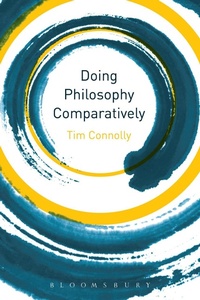
Doing Philosophy Comparatively
1st Edition
Published on 18. June 2015
208 pages
978-1-78093-632-1 (ISBN)
Description

Critics have argued that comparative philosophy is inherently flawed or even impossible. What standards can we use to describe and evaluate different cultures' philosophies? How do we avoid projecting our own ways of thinking onto others? Can we overcome the vast divergences in history, language, and ways of organizing reality that we find in China, India, Africa, and the West?
Doing Philosophy Comparatively is the first comprehensive introduction to the foundations, problems, and methods of comparative philosophy. It is divided into three parts:
- A wide-ranging examination of the basic concepts of comparative philosophy, including "philosophy", "comparison", "tradition", and "culture"
- A discussion of the central problems that arise in extending philosophy across cultural boundaries: linguistic, justificatory, and evaluative incommensurability; projection and asymmetry; and the validity of cultural generalizations
- A critical look at the dominant contemporary approaches to comparative philosophy.
Presenting a basic tool-kit for doing philosophy at the cross-cultural level, this textbook draws on many examples from the past and present of comparative philosophy and engages readers in sustained reflection on how to think comparatively.
Doing Philosophy Comparatively is the first comprehensive introduction to the foundations, problems, and methods of comparative philosophy. It is divided into three parts:
- A wide-ranging examination of the basic concepts of comparative philosophy, including "philosophy", "comparison", "tradition", and "culture"
- A discussion of the central problems that arise in extending philosophy across cultural boundaries: linguistic, justificatory, and evaluative incommensurability; projection and asymmetry; and the validity of cultural generalizations
- A critical look at the dominant contemporary approaches to comparative philosophy.
Presenting a basic tool-kit for doing philosophy at the cross-cultural level, this textbook draws on many examples from the past and present of comparative philosophy and engages readers in sustained reflection on how to think comparatively.
More details
Edition
1. Auflage
Language
English
Place of publication
London
United Kingdom
Publishing group
Bloomsbury Publishing PLC
ISBN-13
978-1-78093-632-1 (9781780936321)
Copyright in bibliographic data and cover images is held by Nielsen Book Services Limited or by the publishers or by their respective licensors: all rights reserved.
Schweitzer Classification
Other editions
Additional editions
Tim Connolly
Doing Philosophy Comparatively
Book
06/2015
Bloomsbury Academic
€42.20
Shipment within 3-4 weeks
Tim Connolly
Doing Philosophy Comparatively
Book
06/2015
Bloomsbury Academic
€193.00
Shipment within 3-4 weeks
Person
Tim Connolly is an Associate Professor of Philosophy at East Stroudsburg University, USA. He teaches and writes about Chinese philosophy and ancient Greek philosophy.
Content
Acknowledgements
Introduction
Part I: The Nature of Comparative Philosophy
1. Is There Such a Thing as Comparative Philosophy?
The Legitimacy of "Non-Western philosophy"
What is "philosophy" in comparative philosophy?
The "Comparative" Aspect
Conclusion
2. Two Dimensions of Comparison
A First Look at the Two Dimensions
The Interpretive Dimension: Comparing to Understand
The Constructive Dimension: Comparing to Make Philosophical Progress
Conclusion
3. The Role of Tradition and Culture
Tradition and Philosophy
Culture
Which Traditions?
Conclusion
Part II: The Problems of Comparative Philosophy
4. Linguistic Incommensurability
Background on the Term
The Linguistic Relativity Thesis
Understanding Other Languages
Issues for Comparative Philosophers
Conclusion
5. Foundational and Evaluative Incommensurability
Foundational Incommensurability
Evaluative Incommensurability
Conclusion
6. One-sidedness
The Meaning of One-sidedness
Avoiding One-sidedness
Conclusion
7. Generalization
Cultural Essentialism
The Generalizations Debate
Generalizations and Evidence
Conclusion
Part III: Approaches to Comparison
8. Universalism
Varieties of Universalism
Challenges and Criticisms
Conclusion
9. Pluralism
The Case for Pluralism
Criticism and Evaluation
Conclusion
10. Consensus
Consensus in Theory and Practice
Evaluating the Consensus Approach
Conclusion
11. Global Philosophy
The Challenge of Global Philosophy
External Criticism
Global Problem-Solving
Conclusion
Conclusion
Bibliography
Index
Introduction
Part I: The Nature of Comparative Philosophy
1. Is There Such a Thing as Comparative Philosophy?
The Legitimacy of "Non-Western philosophy"
What is "philosophy" in comparative philosophy?
The "Comparative" Aspect
Conclusion
2. Two Dimensions of Comparison
A First Look at the Two Dimensions
The Interpretive Dimension: Comparing to Understand
The Constructive Dimension: Comparing to Make Philosophical Progress
Conclusion
3. The Role of Tradition and Culture
Tradition and Philosophy
Culture
Which Traditions?
Conclusion
Part II: The Problems of Comparative Philosophy
4. Linguistic Incommensurability
Background on the Term
The Linguistic Relativity Thesis
Understanding Other Languages
Issues for Comparative Philosophers
Conclusion
5. Foundational and Evaluative Incommensurability
Foundational Incommensurability
Evaluative Incommensurability
Conclusion
6. One-sidedness
The Meaning of One-sidedness
Avoiding One-sidedness
Conclusion
7. Generalization
Cultural Essentialism
The Generalizations Debate
Generalizations and Evidence
Conclusion
Part III: Approaches to Comparison
8. Universalism
Varieties of Universalism
Challenges and Criticisms
Conclusion
9. Pluralism
The Case for Pluralism
Criticism and Evaluation
Conclusion
10. Consensus
Consensus in Theory and Practice
Evaluating the Consensus Approach
Conclusion
11. Global Philosophy
The Challenge of Global Philosophy
External Criticism
Global Problem-Solving
Conclusion
Conclusion
Bibliography
Index
