

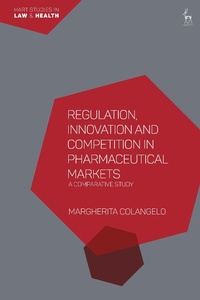
Regulation, Innovation and Competition in Pharmaceutical Markets
A Comparative Study
1st Edition
Published on 20. April 2023
256 pages
978-1-5099-6553-3 (ISBN)
Description

This book explores the fundamental and inextricable relationship between regulation, intellectual property, competition law, and public health in pharmaceutical markets, examining their interconnections and the delicate balance between the various interests and policy goals at stake.
Although pharmaceutical markets are heavily regulated and subject to close antitrust scrutiny, there is a constant requirement for existing rules and policies to tackle a number of persistent, complex issues. The variety of anti-competitive practices occurring in this sector, the worrying rise in drug prices, and major, far-reaching concerns over the accessibility of medicines are sources of frequent controversy in academic and policy debates. Understanding the unique features and dynamics of the pharmaceutical industry requires a tailored and multifaceted approach.
The study is enhanced by the adoption of a comparative perspective, tracing convergence and divergence between EU and US systems through the analysis of relevant applicable rules, significant cases, and policy choices. Pursuant to this rigorous approach, the book provides an original and thought-provoking critique of the challenges of regulating pharmaceutical markets.
Although pharmaceutical markets are heavily regulated and subject to close antitrust scrutiny, there is a constant requirement for existing rules and policies to tackle a number of persistent, complex issues. The variety of anti-competitive practices occurring in this sector, the worrying rise in drug prices, and major, far-reaching concerns over the accessibility of medicines are sources of frequent controversy in academic and policy debates. Understanding the unique features and dynamics of the pharmaceutical industry requires a tailored and multifaceted approach.
The study is enhanced by the adoption of a comparative perspective, tracing convergence and divergence between EU and US systems through the analysis of relevant applicable rules, significant cases, and policy choices. Pursuant to this rigorous approach, the book provides an original and thought-provoking critique of the challenges of regulating pharmaceutical markets.
More details
Series
Edition
1. Auflage
Language
English
Place of publication
London
United Kingdom
Publishing group
Bloomsbury Publishing PLC
Target group
Professional and scholarly
ISBN-13
978-1-5099-6553-3 (9781509965533)
Copyright in bibliographic data and cover images is held by Nielsen Book Services Limited or by the publishers or by their respective licensors: all rights reserved.
Schweitzer Classification
Other editions
Additional editions
Margherita Colangelo
Regulation, Innovation and Competition in Pharmaceutical Markets
A Comparative Study
Book
10/2024
Hart Publishing
€72.07
Shipment within 15-20 days
Person
Margherita Colangelo is Associate Professor of Comparative Law, Roma Tre University, Italy.
Content
Acknowledgements v
Introduction 1
I. The Different Faces of Pharmaceutical Markets 1
II. Purpose and Scope of the Analysis 3
III. Methodology 7
IV. Structure of the Book 9
PART I
1. Regulating Entry 15
I. The Main Features of Pharmaceutical Markets: The Supply Side and the Demand Side 15
II. The Product Life Cycle and the Costs of Innovation 20
III. The Access to the Market: Regulatory Approaches 23
A. The European Regulatory Framework 23
B. The US Regulatory Framework 27
IV. Concluding Remarks 33
2. Regulating Exclusivity 34
I. The Interplay between Regulatory Exclusivities and Intellectual Property Rights 34
II. Intellectual Property Rights in the Pharmaceutical Industry: An Overview on the Role of Patents 35
III. EU Supplementary Protection Certificate and US Patent Term Restoration 41
IV. Regulatory Exclusivity 48
V. Research and Bolar Exemptions 52
VI. Exhaustion Doctrine and Parallel Trade 59
VII. Concluding Remarks 63
3. Regulating Prices 64
I. Pharmaceutical Pricing and Reimbursement Systems in Europe 64
II. The US System 70
III. Concluding Remarks 76
viii Contents
PART II
4. Competition Law Enforcement in Pharmaceutical Markets: An Introduction 79
I. EU and US Antitrust Rules: An Essential Overview 79
II. Antitrust Enforcement in the Pharmaceutical Sector 87
III. Market Definition 95
IV. Concluding Remarks 100
5. Reverse Payment Patent Settlements 102
I. The Recurrence of Reverse Payment Patent Settlements in Pharmaceutical Markets 102
II. Reverse Payment Patent Settlements in the United States 105
A. Earlier Case Law and the Actavis Ruling 105
B. Critical Issues after Actavis 109
C. Further Developments 113
III. EU Case Law on Reverse Payment Patent Settlements 119
A. Lundbeck 120
B. Generics 123
IV. Comparative Analysis 127
A. Legal Frameworks 127
B. The Antitrust Assessment 129
V. Concluding Remarks 134
6. Product Hopping 136
I. Pharmaceutical Product Reformulations 136
II. Product Hopping before US Courts 140
III. The EU Experience 146
IV. The Antitrust Assessment of Product Reformulation 151
V. Concluding Remarks 155
7. Excessive Drug Pricing 157
I. The Resurgence of Excessive Pricing Cases in the Pharmaceutical Sector 157
II. Excessive Pricing under EU Competition Law 161
A. Aspen 165
III. The US Approach 169
IV. The Role of Antitrust Enforcement on Excessive Drug Prices 176
V. Concluding Remarks 178
Contents ix
PART III
8. Further Interactions: Pharmaceutical Markets, Intellectual Property and Human Rights 183
I. The Right to Health and Access to Medicines and the Relationship with Intellectual Property Rights: An Overview 183
II. Compulsory Licensing 191
III. Concluding Remarks 196
9. Public Health and Public Interest in Competition Law 198
I. Public Health and Competition Law 198
II. Competition Law and Non-competition Interests 203
III. Concluding Remarks 208
Conclusion 209
Bibliography 213
Index 233
Introduction 1
I. The Different Faces of Pharmaceutical Markets 1
II. Purpose and Scope of the Analysis 3
III. Methodology 7
IV. Structure of the Book 9
PART I
1. Regulating Entry 15
I. The Main Features of Pharmaceutical Markets: The Supply Side and the Demand Side 15
II. The Product Life Cycle and the Costs of Innovation 20
III. The Access to the Market: Regulatory Approaches 23
A. The European Regulatory Framework 23
B. The US Regulatory Framework 27
IV. Concluding Remarks 33
2. Regulating Exclusivity 34
I. The Interplay between Regulatory Exclusivities and Intellectual Property Rights 34
II. Intellectual Property Rights in the Pharmaceutical Industry: An Overview on the Role of Patents 35
III. EU Supplementary Protection Certificate and US Patent Term Restoration 41
IV. Regulatory Exclusivity 48
V. Research and Bolar Exemptions 52
VI. Exhaustion Doctrine and Parallel Trade 59
VII. Concluding Remarks 63
3. Regulating Prices 64
I. Pharmaceutical Pricing and Reimbursement Systems in Europe 64
II. The US System 70
III. Concluding Remarks 76
viii Contents
PART II
4. Competition Law Enforcement in Pharmaceutical Markets: An Introduction 79
I. EU and US Antitrust Rules: An Essential Overview 79
II. Antitrust Enforcement in the Pharmaceutical Sector 87
III. Market Definition 95
IV. Concluding Remarks 100
5. Reverse Payment Patent Settlements 102
I. The Recurrence of Reverse Payment Patent Settlements in Pharmaceutical Markets 102
II. Reverse Payment Patent Settlements in the United States 105
A. Earlier Case Law and the Actavis Ruling 105
B. Critical Issues after Actavis 109
C. Further Developments 113
III. EU Case Law on Reverse Payment Patent Settlements 119
A. Lundbeck 120
B. Generics 123
IV. Comparative Analysis 127
A. Legal Frameworks 127
B. The Antitrust Assessment 129
V. Concluding Remarks 134
6. Product Hopping 136
I. Pharmaceutical Product Reformulations 136
II. Product Hopping before US Courts 140
III. The EU Experience 146
IV. The Antitrust Assessment of Product Reformulation 151
V. Concluding Remarks 155
7. Excessive Drug Pricing 157
I. The Resurgence of Excessive Pricing Cases in the Pharmaceutical Sector 157
II. Excessive Pricing under EU Competition Law 161
A. Aspen 165
III. The US Approach 169
IV. The Role of Antitrust Enforcement on Excessive Drug Prices 176
V. Concluding Remarks 178
Contents ix
PART III
8. Further Interactions: Pharmaceutical Markets, Intellectual Property and Human Rights 183
I. The Right to Health and Access to Medicines and the Relationship with Intellectual Property Rights: An Overview 183
II. Compulsory Licensing 191
III. Concluding Remarks 196
9. Public Health and Public Interest in Competition Law 198
I. Public Health and Competition Law 198
II. Competition Law and Non-competition Interests 203
III. Concluding Remarks 208
Conclusion 209
Bibliography 213
Index 233
