


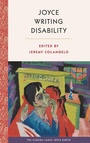
Joyce Writing Disability
Description

In this book, the first to explore the role of disability in the writings of James Joyce, contributors approach the subject both on a figurative level, as a symbol or metaphor in Joyce's work, and also as a physical reality for many of Joyce's characters. Contributors examine the varying ways in which Joyce's texts represent disability and the environmental conditions of his time that stigmatized, isolated, and othered individuals with disabilities.
The collection demonstrates the centrality of the body and embodiment in Joyce's writings, from Dubliners and A Portrait of the Artist as a Young Man to Ulysses and Finnegans Wake. Essays address Joyce's engagement with paralysis, masculinity, childhood violence, trauma, disorderly eating, blindness, nineteenth-century theories of degeneration, and the concept of ?madness.?
Together, the essays offer examples of Joyce's interest in the complexities of human existence and in challenging assumptions about bodily and mental norms. Complete with an introduction that summarizes key disability studies concepts and the current state of research on the subject in Joyce studies, this volume is a valuable resource for disability scholars interested in modernist literature and an ideal starting point for any Joycean new to the study of disability.
A volume in the Florida James Joyce Series, edited by Sebastian D. G. Knowles
Contributors: Rafael Hernandez | Boriana Alexandrova | Casey Lawrence | Giovanna Vincenti | Jeremy Colangelo | Jennifer Marchisotto | Marion Quirici | John Morey | Kathleen Morrissey | Maren T. Linett
All prices
More details
Other editions
Additional editions
Content
Contents
Foreword vii
Maren Linett
List of Abbreviations xiii
Introduction: Disability Writing Joyce 1
Jeremy Colangelo
1. Two Sides ofHemiplegia: On the Affect of Paralysis in Dubliners 25
Jeremy Colangelo
2. ?Limping and Devious?: TheDisabled Male Body in ?A Mother? 45
Casey Lawrence
3. When thePersonal Becomes Historical: Portrait andthe Textual Memory of Childhood Trauma 66
Boriana Alexandrova
4. Debility as Disability:Disorderly Eating in A Portrait ofthe Artist as a Young Man 91
Kathleen Morrissey
5. ?Dark Men in Mien and Movement?: Blindnessand the Body in Ulysses
106
Rafael Hernandez
6. Degeneration, Decadence, and Joyce's Modernist Disability Aesthetics 131
Marion Quirici
7. Boulez, Cage, and the Disabled Wake 156
John Morey
8. Joyce, Swift, and the ?Creep o'er Skull?of the Gods 181
Giovanna Vincenti
9. The Anti-Erasure of LuciaJoyce: Resignification of Mad Histories in
Finnegans Wake 200
Jennifer Marchisotto
List ofContributors 223
Index 225
