

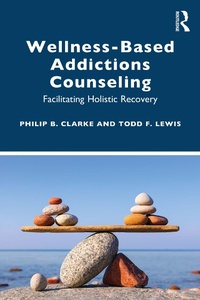
Wellness-Based Addictions Counseling
Facilitating Holistic Recovery
1st Edition
Published on 22. December 2023
260 pages
978-1-003-80315-7 (ISBN)
Description

This book presents a culture change in addictions treatment that places wellness at the forefront of relapse, addiction, and recovery. The authors introduce a wellness-based conceptualization of addiction and recovery including the wellness model that grounds Wellness-Based Addictions Counseling (WBAC) and the techniques of this approach.
Wellness-Based Addictions Counseling advocates for wellness as the primary variable in addiction and recovery outcomes, presents a wellness-based model of addiction and recovery, and highlights techniques for unlocking the motivational and strength-based aspects of this approach. Specifically, the authors provide wellness questions and screening tools to incorporate into the clinical evaluation and structure for creating a wellness plan and family wellness plan for the client's loved ones. Readers will learn numerous wellness-based techniques related to the mind, body, spirit, emotions, and connection that can prevent relapse and facilitate well-being. All WBAC interventions are grounded in developmental, culturally responsive, and strength-based perspectives.
Wellness-Based Addictions Counseling is essential reading for professionals who provide addictions treatment and counseling as well as scholars who conduct writing and research on addiction.
Wellness-Based Addictions Counseling advocates for wellness as the primary variable in addiction and recovery outcomes, presents a wellness-based model of addiction and recovery, and highlights techniques for unlocking the motivational and strength-based aspects of this approach. Specifically, the authors provide wellness questions and screening tools to incorporate into the clinical evaluation and structure for creating a wellness plan and family wellness plan for the client's loved ones. Readers will learn numerous wellness-based techniques related to the mind, body, spirit, emotions, and connection that can prevent relapse and facilitate well-being. All WBAC interventions are grounded in developmental, culturally responsive, and strength-based perspectives.
Wellness-Based Addictions Counseling is essential reading for professionals who provide addictions treatment and counseling as well as scholars who conduct writing and research on addiction.
Reviews / Votes
"Wellness is critical to the purpose of the work that mental health and addictions professionals do with clients. In Clarke and Lewis' book, they are the first to center wellness in addictions counseling that flips our understanding of addiction and recovery work. Highlighting the empowerment of the individual and how their involvement in their own recovery process is part of their own wellness, Wellness-Based Addictions Counseling offers a positive reframing of life choices that is more about balance and less about flawlessness."Donna M. Gibson, PhD, LPC, NCC, BC-TMH, Professor, Virginia Commonwealth University
"The WBAC is a substantial addition to the field of SUD counseling. While there has been a significant increase in theoretical ways to view SUD work over the past twenty-five years, framing addiction treatment through the lens of wellness counseling moves professionals toward a much more holistic approach to treatment for clients. And the more areas of life we can help clients with, the greater the likelihood of successful treatment outcomes for more clients. The authors have functionally expanded the long held biopsychosocial concept to effectively address the entirety of client experience - the biopsychosocial, spiritual, emotional, multicultural, strengths-based, model. This is a must read for SUD counseling practitioners working with clients in today's treatment environment."
John R. Culbreth, PhD, LCMHCS, LCAS, CCS, Professor, University of North Carolina Charlotte, Director of the McLeod Institute on Addiction
More details
Edition
1. Auflage
Language
English
Place of publication
London
United Kingdom
Publishing group
Taylor & Francis Ebooks
Target group
Professional and scholarly
Illustrations
17 Tables, black and white; 12 Line drawings, black and white; 2 Halftones, black and white; 14 Illustrations, black and white
ISBN-13
978-1-003-80315-7 (9781003803157)
Copyright in bibliographic data and cover images is held by Nielsen Book Services Limited or by the publishers or by their respective licensors: all rights reserved.
Schweitzer Classification
Other editions
Additional editions
Book
12/2023
1st Edition
Routledge
€52.60
Shipment within 15-20 days
Book
12/2023
1st Edition
Routledge
€186.20
Shipment within 15-20 days
Persons
Philip B. Clarke, PhD, LCMHC, is an associate teaching professor in the Department of Counseling at Wake Forest University.
Todd F. Lewis, PhD, LPC, NCC, is a professor in the Department of Counselor Education at North Dakota State University.
Todd F. Lewis, PhD, LPC, NCC, is a professor in the Department of Counselor Education at North Dakota State University.
Content
1. Wellness: The Key to Recovery 2. An Overview of Wellness Counseling and Wellness-Based Addictions Counseling 3. Wellness-based Evaluation: Screening, Assessment, Diagnosis and Treatment Planning 4. Holistic Relapse Prevention 5. Strength and Solution-Building 6. Development, Culture, and Context: The Cross-Cutting Forces in Wellness 7. Put Your Mind To It: Mental Wellness as a Catalyst for Holistic Recovery 8. Body Wellness: Nurturing the Instrument of Recovery 9. A Spirited Recovery: Spiritual Wellness in Addictions Counseling 10. Emotional Wellness: Turning Inwards to Experience Holistic Recovery 11. Connection Wellness: Enhancing Recovery through Relationships 12. Elevating Family Wellness in Addictions Counseling
