

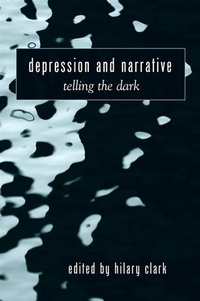
Depression and Narrative
Description

Depression and Narrative examines stories of depression in the context of recent scholarship on illness and narrative, which up to this point has largely focused on physical illness and disability. Contributors from a number of disciplinary perspectives address these narrative accounts of depression, by both sufferers and those who treat them, as they appear in memoirs, diaries, novels, poems, oral interviews, fact sheets, blogs, films, and television shows. Together, they explore the stories we tell about depression: its contested causes; its gendering; the transformations in identity that it entails; and the problems it presents for communication, associated as it is with stigma and shame.
>
Hilary Clark is Professor of English at the University of Saskatchewan. She is the coeditor (with Joseph Adamson) of Scenes of Shame: Psychoanalysis, Shame, and Writing, also published by SUNY Press, and the author of The Dwelling of Weather; More Light; and Two Heavens.
More details
Other editions
Additional editions
Person
Hilary Clark is Professor of English at the University of Saskatchewan. She is the coeditor (with Joseph Adamson) of Scenes of Shame: Psychoanalysis, Shame, and Writing, also published by SUNY Press, and the author of The Dwelling of Weather; More Light; and Two Heavens.
Content
List of Illustrations
Acknowledgments
Introduction: Depression and Narrative
Hilary Clark
I. Negotiating Illness Identity and Stigma
1. My Symptoms, Myself: Reading Mental Illness Memoirs for Identity Assumptions
Jennifer Radden
2. The Language of Madness: Representing Bipolar Disorder in Kay Redfield Jamison's An Unquiet Mind and Kate Millett's The Loony-Bin Trip
Debra Beilke
3. Winter Tales: Comedy and Romance Story-Types in Narratives of Depression
Brenda Dyer
4. "Repenting Prodigal": Confession, Conversion, and Shame in William Cowper's Adelphi
Hilary Clark
5. Leonid Andreev's Construction of Melancholy
Frederick H. White
II. Gender and Depression
6. Storying Sadness: Representations of Depression in the Writings of Sylvia Plath, Louise Glück, and Tracy Thompson
Suzanne England, Carol Ganzer, and Carol Tosone
7. "Addiction got me what I needed": Depression and Drug Addiction in Elizabeth Wurtzel's Memoirs
Joanne Muzak
8. Narrating the Emotional Woman: Uptake and Gender in Discourses on Depression
Kimberly Emmons
9. Fact Sheets as Gendered Narratives of Depression
Linda M. McMullen
III. Depression across the Media
10. A Dark Web:Depression, Writing, and the Internet
Kiki Benzon
11. A Meditation on Depression, Time, and Narrative Peregrination in the Film The Hours
Diane R. Wiener
12. Therapy Culture and TV: The Sopranos as a Depression Narrative
Deborah Staines
IV. Literary Therapies
13. For the Relief of Melancholy: The Early Chinese Novel as Antidepressant
Andrew Schonebaum
14. Manic-Depressive Narration and the Hermeneutics of Countertransference: Coleridge's The Rime of the Ancient Mariner
Mark A. Clark
V. Depression and the Limits of Narrative
15. Writing Self/Delusion:Subjectivity and Scriptotherapy in Emily Holmes Coleman's The Shutter of Snow
Sophie Blanch
16. Depressing Books: W. G. Sebald and the Narratives of History
Eluned Summers-Bremner
List of Contributors
Index
