

Choosing Sides
Loyalists in Revolutionary America
1st Edition
Published on 7. June 2013
1 pages
979-8-216-22110-4 (ISBN)
Description

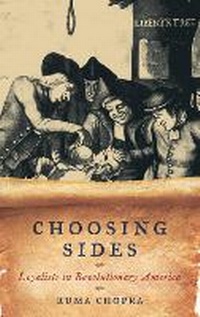
Though scores of texts, films and stories have been told about the American Revolution from the perspectives of our Founding Fathers and their followers, comparatively little is known about those colonists who resisted the revolutionary movement, and tried desperately to preserve their nation's ties to the British Empire. Choosing Sides: Loyalists in Revolutionary America shows us that America's original colonies were not nearly as united behind the concept of forming free, independent states as our society's collective memory would have us believe. There were, in fact, numerous colonists, slaves, and Native Americans who counted themselves among the Loyalists: those who never wanted to sever ties with the English crown and who viewed revolution as an unnatural and unlawful mistake. Too often overlooked, these men and women made valid and valuable arguments against the formation of the United States-both weighing the costs of revolution and the perilousness of existing without divine rule of a monarch- arguments that even hundreds of years into America's existence are echoed and championed both within and beyond our borders.
Colonists from commoners to clergymen had nuanced and complex reasons for wanting to remain under British control, and an awareness of these reasons and their origins paints a more historically accurate portrait of the American populous around the time of our country's founding. This volume not only showcases Dr. Chopra's comprehensive analysis of Loyalism and its arguments, but includes letters, legislation and even poems written by Loyalists during and after the Revolutionary War. Choosing Sides lays a detailed foundation of facts for its readers and provides them entry points to the debate surrounding the genesis of the United States. It is both a primary source and a touchstone for original interpretations and discussions.
Colonists from commoners to clergymen had nuanced and complex reasons for wanting to remain under British control, and an awareness of these reasons and their origins paints a more historically accurate portrait of the American populous around the time of our country's founding. This volume not only showcases Dr. Chopra's comprehensive analysis of Loyalism and its arguments, but includes letters, legislation and even poems written by Loyalists during and after the Revolutionary War. Choosing Sides lays a detailed foundation of facts for its readers and provides them entry points to the debate surrounding the genesis of the United States. It is both a primary source and a touchstone for original interpretations and discussions.
More details
Series
Edition
1. Auflage
Language
English
Place of publication
United States
Publishing group
Bloomsbury Publishing Plc
ISBN-13
979-8-216-22110-4 (9798216221104)
Copyright in bibliographic data and cover images is held by Nielsen Book Services Limited or by the publishers or by their respective licensors: all rights reserved.
Schweitzer Classification
Other editions
Additional editions
Book
10/2015
Rowman & Littlefield Publishers
€52.00
Shipment within 10-20 days
Person
Dr. Ruma Chopra is an associate professor of history at San Jose State University.
Content
Table of Contents
Introduction
Loyal Britons
Imperial Crisis
Loyal Colonies in the Caribbean and North America
Loyalist Convictions and Proposals
Loyalist Potential
Loyalist Women
Slaves
Indian Allies
The Peace Treaty and its Aftermath
Refugees in the British Maritimes
Chapter 1. Loyalist Predicament
Defining Loyalists and Patriots
Confronting Mobs (1774)
Forced into exile (1775)
Guilty until Proven Innocent (1776)
An Affair Among Citizens (1776)
Chapter 2. Early Loyalist Voices
Denouncing the Unnatural Rebellion (1775)
Inflamed Rebels and Scattered Friends (1775)
Hunting of the Tories (1775)
Loyalists Left Unprotected (1775)
Requesting Imperial Intervention (1775)
Criticizing Common Sense (1776)
Rejecting Violence (1776)
Chapter 3. Plans for Union
Albany Plan (1754)
William Smith Jr.'s Plan (1767)
Joseph Galloway Plan (1774)
John Randolph's Plan (1780)
Jonathan Sewell's Plan (1785)
Chapter 4. Loyalist Resilience
Loyalist Persuasions (1776 & 1777)
Expressing Optimism (1778)
Confronting Confiscation Laws (1779)
Documenting Rebel Weakness (1780)
Pledging Declaration of Dependence (1781)
Chapter 5. Loyalist Military Involvement
Preaching to Loyalist Soldiers (1777)
Volunteering Military Assistance (1780)
Organizing Loyalist Militia (1781)
Recruiting Loyalist Regiments (1781)
Loyalist Military Actions (1783)
Chapter 6. Loyalist Women
A Sister's Lament (1770)
Living with the British (1777)
Facing British Evacuation (1778)
Stricken Smitten of God (1778)
Mourning Loyalist Execution (1778)
A Mother's Advice (1779)
Helpless Widow seeking Relief (1779)
Seeking Compensation for Husband's Service (1783)
Seeking Compensation for Slave Property (1786)
Chapter 7. Slaves
Escaping to the British (1775)
Competition amongst the King's subjects (1779)
Envisioning God with Empire (1781)
Negotiating Slave Return (1783)
Evading Re-Enslavement (1783)
Retrieving Stolen Children (1783)
Black Petitions (1783)
Book of Negroes (1783)
Chapter 8. Indians
Relations with Indians (1774)
British Recruiting Northern Indians (1775)
British Recruiting Southern Indians (1776)
Vying for Indian Support (1778)
Hessian View of Indians (1777)
Accusing Savages of Scalping Europeans (1777)
Mohawks Side with the British (1778)
Mohawks Request Assistance in Canada (1786)
Indians as Beasts of Prey (1783)
Chapter 9. Loyalist Losses
Loyalists in the Peace Treaty (1783)
Despair and Distraction (1782)
Dreadful Tidings (1782)
Unwavering Devotion (1782)
Irrecoverable Debts (1783)
Rebel Retaliation (1783)
Claiming Losses in Income, Property, and Slaves (1783)
Forsaking Britain (1781)
Seeking Refuge in Britain (1783)
Chapter 10. Loyalist Exile
British Nova Scotia (1783)
Loyalist Nova Scotia (1784)
Predicting the Collapse of the United States (1785)
Celebrating the Loyalists (1884)
Introduction
Loyal Britons
Imperial Crisis
Loyal Colonies in the Caribbean and North America
Loyalist Convictions and Proposals
Loyalist Potential
Loyalist Women
Slaves
Indian Allies
The Peace Treaty and its Aftermath
Refugees in the British Maritimes
Chapter 1. Loyalist Predicament
Defining Loyalists and Patriots
Confronting Mobs (1774)
Forced into exile (1775)
Guilty until Proven Innocent (1776)
An Affair Among Citizens (1776)
Chapter 2. Early Loyalist Voices
Denouncing the Unnatural Rebellion (1775)
Inflamed Rebels and Scattered Friends (1775)
Hunting of the Tories (1775)
Loyalists Left Unprotected (1775)
Requesting Imperial Intervention (1775)
Criticizing Common Sense (1776)
Rejecting Violence (1776)
Chapter 3. Plans for Union
Albany Plan (1754)
William Smith Jr.'s Plan (1767)
Joseph Galloway Plan (1774)
John Randolph's Plan (1780)
Jonathan Sewell's Plan (1785)
Chapter 4. Loyalist Resilience
Loyalist Persuasions (1776 & 1777)
Expressing Optimism (1778)
Confronting Confiscation Laws (1779)
Documenting Rebel Weakness (1780)
Pledging Declaration of Dependence (1781)
Chapter 5. Loyalist Military Involvement
Preaching to Loyalist Soldiers (1777)
Volunteering Military Assistance (1780)
Organizing Loyalist Militia (1781)
Recruiting Loyalist Regiments (1781)
Loyalist Military Actions (1783)
Chapter 6. Loyalist Women
A Sister's Lament (1770)
Living with the British (1777)
Facing British Evacuation (1778)
Stricken Smitten of God (1778)
Mourning Loyalist Execution (1778)
A Mother's Advice (1779)
Helpless Widow seeking Relief (1779)
Seeking Compensation for Husband's Service (1783)
Seeking Compensation for Slave Property (1786)
Chapter 7. Slaves
Escaping to the British (1775)
Competition amongst the King's subjects (1779)
Envisioning God with Empire (1781)
Negotiating Slave Return (1783)
Evading Re-Enslavement (1783)
Retrieving Stolen Children (1783)
Black Petitions (1783)
Book of Negroes (1783)
Chapter 8. Indians
Relations with Indians (1774)
British Recruiting Northern Indians (1775)
British Recruiting Southern Indians (1776)
Vying for Indian Support (1778)
Hessian View of Indians (1777)
Accusing Savages of Scalping Europeans (1777)
Mohawks Side with the British (1778)
Mohawks Request Assistance in Canada (1786)
Indians as Beasts of Prey (1783)
Chapter 9. Loyalist Losses
Loyalists in the Peace Treaty (1783)
Despair and Distraction (1782)
Dreadful Tidings (1782)
Unwavering Devotion (1782)
Irrecoverable Debts (1783)
Rebel Retaliation (1783)
Claiming Losses in Income, Property, and Slaves (1783)
Forsaking Britain (1781)
Seeking Refuge in Britain (1783)
Chapter 10. Loyalist Exile
British Nova Scotia (1783)
Loyalist Nova Scotia (1784)
Predicting the Collapse of the United States (1785)
Celebrating the Loyalists (1884)
