

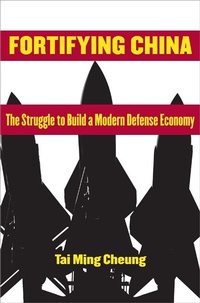
Fortifying China
The Struggle to Build a Modern Defense Economy
Published on 15. April 2013
296 pages
978-0-8014-6849-0 (ISBN)
Description

Fortifying China explores the titanic struggle to turn China into an aspiring world-class military technological power. The defense economy is leveraging the country's vibrant civilian economy and gaining access to foreign sources of technology and know-how. Drawing on extensive Chinese-language sources, Tai Ming Cheung explains that this transformation has two key dimensions. The defense economy is being reengineered to break down bureaucratic barriers and reduce the role of the state, fostering a more competitive and entrepreneurial culture to facilitate the rapid diffusion and absorption of technology and knowledge. At the same time, the civilian and defense economies are being integrated to form a dual-use technological and industrial base. In Cheung's view, the Chinese authorities believe this strategy will play a key role in supporting long-term defense modernization.
For China's neighbors and the United States, understanding China's technological, industrial, and military capabilities is critical to the formulation of economic and security policies. Fortifying China provides crucial insight into the impact of China's dual-use technology strategy. Cheung's "systems of innovation" framework considers the structure, dynamics, and performance of the defense economy from a systems-level perspective.
For China's neighbors and the United States, understanding China's technological, industrial, and military capabilities is critical to the formulation of economic and security policies. Fortifying China provides crucial insight into the impact of China's dual-use technology strategy. Cheung's "systems of innovation" framework considers the structure, dynamics, and performance of the defense economy from a systems-level perspective.
More details
Language
English
Place of publication
Ithaca
United States
Product notice
Reflowable
Illustrations
18 tables, 6 charts/graphs - 18 Tables, unspecified
ISBN-13
978-0-8014-6849-0 (9780801468490)
Copyright in bibliographic data and cover images is held by Nielsen Book Services Limited or by the publishers or by their respective licensors: all rights reserved.
Schweitzer Classification
Other editions
Additional editions
Book
08/2013
Cornell University Press
€39.62
Shipment within 10-20 days
Book
12/2008
Cornell University Press
€48.28
Shipment within 10-20 days
Person
Tai Ming Cheung is Director of the Institute on Global Conflict and Cooperation at the University of California, San Diego, where he also leads the institute's Study of Technology and Innovation project. Previously, he was based in northeast Asia (Hong Kong, China, and Japan) as a journalist for the Far Eastern Economic Review and subsequently as a political and business risk consultant for a number of companies, including PricewaterhouseCoopers.
Content
1. Bridging the Civil-Military Technological Divide in the Information Age
Integrating the Civilian and Defense Economies
China's Enduring Quest for Wealth and Military Power
The National Innovation Systems Framework
Examining the Defense Economy through the NIS Prism
Understanding How Defense Technological Innovation Takes Place2. Innovation and Stagnation during the Maoist Era
The Building of the Conventional and Strategic Weapons Bases
The Defense Economy's Relationship with the Maoist NIS
The Setup of the Conventional and Strategic Weapons Systems
The Floundering of the Conventional Defense Industrial System
Barriers to Conventional Weapons Innovation
The Flourishing of the Strategic Weapons System
The Consolidation of the Defense Economy in the Late 1970s3. The Eclipse of the Defense Economy under Deng Xiaoping
The Defense Economy and Its Relationship with the NIS in the 1980s
Defense Conversion
The Impact of Conversion on the Defense Economy
Successes and Drawbacks of Conversion
The Struggle to Overhaul the Legacy Defense Industrial Base
Key Activities of the System
The State of the Defense Economy by the Late 1990s4. The Revival of the Defense Economy in the Twenty-first Century
Setting the Stage for Bold Reforms
The Relationship between the Defense and National Innovation Systems
Reform and Consolidation Begin
Key Activities of the Rejuvenated Defense Innovation System
The Prospects for Catching Up and Leapfrogging5. Building a Dual-Use Economy
From Defense Conversion to Dual Use and Spin-On
Defining the Yujun Yumin Dual-Use Economy
Chinese Approaches to Civil-Military Integration and Spin-On
Building Linkages between the Civilian and Defense Economies
Harnessing Civilian High Technology Companies for Military Purposes
The Geographical Landscape of Dual Use and CMI
The Chinese Approach in Comparative Perspective6. Can the Chinese Defense Economy Catch Up?
The Techno-Nationalist Underpinning of the Catch-Up Approach
The Debate over China's Military Technological Catching Up
The Developmental Models for Catching Up
Conditions for Technological Catching Up and the Case of the Space Industry
Policy Challenges for the United StatesAppendix: Chinese Terms
Appendix: Historical Official Exchange Rates between the Renminbi and U.S. Dollar, 1955-2008Select Chinese-Language Bibliography
Index
Integrating the Civilian and Defense Economies
China's Enduring Quest for Wealth and Military Power
The National Innovation Systems Framework
Examining the Defense Economy through the NIS Prism
Understanding How Defense Technological Innovation Takes Place2. Innovation and Stagnation during the Maoist Era
The Building of the Conventional and Strategic Weapons Bases
The Defense Economy's Relationship with the Maoist NIS
The Setup of the Conventional and Strategic Weapons Systems
The Floundering of the Conventional Defense Industrial System
Barriers to Conventional Weapons Innovation
The Flourishing of the Strategic Weapons System
The Consolidation of the Defense Economy in the Late 1970s3. The Eclipse of the Defense Economy under Deng Xiaoping
The Defense Economy and Its Relationship with the NIS in the 1980s
Defense Conversion
The Impact of Conversion on the Defense Economy
Successes and Drawbacks of Conversion
The Struggle to Overhaul the Legacy Defense Industrial Base
Key Activities of the System
The State of the Defense Economy by the Late 1990s4. The Revival of the Defense Economy in the Twenty-first Century
Setting the Stage for Bold Reforms
The Relationship between the Defense and National Innovation Systems
Reform and Consolidation Begin
Key Activities of the Rejuvenated Defense Innovation System
The Prospects for Catching Up and Leapfrogging5. Building a Dual-Use Economy
From Defense Conversion to Dual Use and Spin-On
Defining the Yujun Yumin Dual-Use Economy
Chinese Approaches to Civil-Military Integration and Spin-On
Building Linkages between the Civilian and Defense Economies
Harnessing Civilian High Technology Companies for Military Purposes
The Geographical Landscape of Dual Use and CMI
The Chinese Approach in Comparative Perspective6. Can the Chinese Defense Economy Catch Up?
The Techno-Nationalist Underpinning of the Catch-Up Approach
The Debate over China's Military Technological Catching Up
The Developmental Models for Catching Up
Conditions for Technological Catching Up and the Case of the Space Industry
Policy Challenges for the United StatesAppendix: Chinese Terms
Appendix: Historical Official Exchange Rates between the Renminbi and U.S. Dollar, 1955-2008Select Chinese-Language Bibliography
Index
