

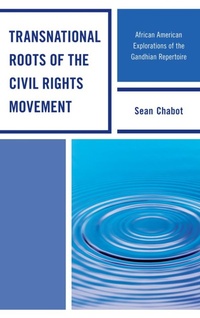
Transnational Roots of the Civil Rights Movement
African American Explorations of the Gandhian Repertoire
1st Edition
Published on 16. December 2011
220 pages
979-8-216-30492-0 (ISBN)
Description

How did African Americans gain the ability to apply Gandhian nonviolence during the civil rights movement? Responses generally focus on Martin Luther King's "pilgrimage to nonviolence" or favorable social contexts and processes. This book, in contrast, highlights the role of collective learning in the Gandhian repertoire's transnational diffusion.
Collective learning shaped the invention of the Gandhian repertoire in South Africa and India as well as its transnational diffusion to the United States. In the 1920s, African Americans and their allies responded to Gandhi's ideas and practices by reproducing stereotypes. Meaningful collective learning started with translation of the Gandhian repertoire in the 1930s and small-scale experimentation in the early 1940s. After surviving the doldrums of the McCarthy era, full implementation of the Gandhian repertoire finally occurred during the civil rights movement between 1955 and 1965. This book goes beyond existing scholarship by contributing deeper and finer insights on how transnational diffusion between social movements actually works. It highlights the contemporary relevance of Gandhian nonviolence and its successful journey across borders.
Collective learning shaped the invention of the Gandhian repertoire in South Africa and India as well as its transnational diffusion to the United States. In the 1920s, African Americans and their allies responded to Gandhi's ideas and practices by reproducing stereotypes. Meaningful collective learning started with translation of the Gandhian repertoire in the 1930s and small-scale experimentation in the early 1940s. After surviving the doldrums of the McCarthy era, full implementation of the Gandhian repertoire finally occurred during the civil rights movement between 1955 and 1965. This book goes beyond existing scholarship by contributing deeper and finer insights on how transnational diffusion between social movements actually works. It highlights the contemporary relevance of Gandhian nonviolence and its successful journey across borders.
More details
Edition
1. Auflage
Language
English
Place of publication
United States
Publishing group
Bloomsbury Publishing Plc
Target group
Professional and scholarly
ISBN-13
979-8-216-30492-0 (9798216304920)
Copyright in bibliographic data and cover images is held by Nielsen Book Services Limited or by the publishers or by their respective licensors: all rights reserved.
Schweitzer Classification
Other editions
Additional editions
Sean Chabot
Transnational Roots of the Civil Rights Movement
African American Explorations of the Gandhian Repertoire
Book
07/2013
Lexington Books
€63.00
Shipment within 10-20 days
Person
Sean Chabot is associate professor in the Department of Sociology at Eastern Washington University.
Content
CHAPTER 1: Introduction
CHAPTER 2: Invention of the Gandhian Repertoire
CHAPTER 3: Initial Perception of Gandhi
CHAPTER 4: Translation of the Gandhian Repertoire
CHAPTER 5: Experimentation with the Gandhian Repertoire
CHAPTER 6: Survival in the Doldrums
CHAPTER 7: Full Implementation of the Gandhian Repertoire
CHAPTER 8: From Heyday to Decline
CHAPTER 9: Conclusion
CHAPTER 2: Invention of the Gandhian Repertoire
CHAPTER 3: Initial Perception of Gandhi
CHAPTER 4: Translation of the Gandhian Repertoire
CHAPTER 5: Experimentation with the Gandhian Repertoire
CHAPTER 6: Survival in the Doldrums
CHAPTER 7: Full Implementation of the Gandhian Repertoire
CHAPTER 8: From Heyday to Decline
CHAPTER 9: Conclusion
