

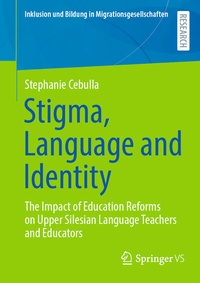
Stigma, Language and Identity
Description

The study explores the impact of Poland's (1999 and) 2017 education reform(s) on Upper Silesian language teachers and educators, focusing on how reforms influenced their (professional) self-perception and identity. Through twelve autobiographical-narrative interviews with teachers and educators from rural Upper Silesia, the study aimed to understand why individuals choose to become a language teaching person in this region and how their professional and personal identities have evolved post-reform. The research follows Fritz Schütze's biographical analysis method, grounding its theory in the data collected. The findings reveal that the 2017 reform not only disregards the cultural distinctiveness of Upper Silesians but also stigmatizes them. The PiS-party's reform attempts to assimilate those who resist a singular national identity, leading to the degradation of the teaching profession and renewed stigmatization of Upper Silesian people and their heritage. The study highlights how these teachers and educators continue to pass on their Silesian consciousness and dialect to future generations, along with the stigma associated with it. The reform has reintroduced painful experiences of stigma, making it challenging for Silesians to maintain their identity without enduring suffering.
More details
Other editions
Additional editions
Person
Stephanie Cebulla is a research assistant at Chemnitz University of Technology's Institute of Education, working in the Department of Educational Science with a focus on educational research methods.
Content
Introduction.- Framework Conditions of this Study.- Theoretical Approach.- Biography Analysis with a Sociolinguistic Approach.- Interpretative Analysis of the Interviews.- Results, Closing and Desiderata.
