

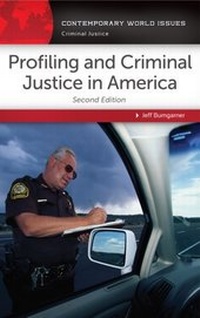
Profiling and Criminal Justice in America
A Reference Handbook
2nd Edition
Published on 16. December 2014
392 pages
978-1-61069-852-8 (ISBN)
Available for download
Description

An unbiased examination of profiling in the criminal justice system-one of the most hotly contested public policy issues-on the streets, in the courts, and in the jails and prisons of America.
In the post-9/11 world, profiling by law enforcement has become "standard operating procedure." Profiling by prosecutors, judges, and corrections officers is pervasive in other criminal justice contexts as well. Is profiling actually effective in preventing crime or identifying likely offenders and therefore justifiable? This accessible, single-volume reference book examines profiling as it pertains to the criminal justice system in the United States, providing non-partisan information that illuminates the full scope of the profiling issue and discusses the possible impact of profiling on all American citizens.
Addressing this highly controversial topic holistically, the book considers questions such as whether the criminal justice system in the United States unfairly targets minorities, how the rights of minorities can be protected while enabling law enforcement to use every resource available, and whether justification for profiling techniques exists. This work will serve students at the high school and college level as well as general readers who are interested in criminal justice issues and issues relating to equality and fairness before the bar of justice.
In the post-9/11 world, profiling by law enforcement has become "standard operating procedure." Profiling by prosecutors, judges, and corrections officers is pervasive in other criminal justice contexts as well. Is profiling actually effective in preventing crime or identifying likely offenders and therefore justifiable? This accessible, single-volume reference book examines profiling as it pertains to the criminal justice system in the United States, providing non-partisan information that illuminates the full scope of the profiling issue and discusses the possible impact of profiling on all American citizens.
Addressing this highly controversial topic holistically, the book considers questions such as whether the criminal justice system in the United States unfairly targets minorities, how the rights of minorities can be protected while enabling law enforcement to use every resource available, and whether justification for profiling techniques exists. This work will serve students at the high school and college level as well as general readers who are interested in criminal justice issues and issues relating to equality and fairness before the bar of justice.
More details
Series
Edition
2nd edition
Language
English
Place of publication
United States
Publishing group
Bloomsbury Publishing Plc
Illustrations
9 bw illus
ISBN-13
978-1-61069-852-8 (9781610698528)
Copyright in bibliographic data and cover images is held by Nielsen Book Services Limited or by the publishers or by their respective licensors: all rights reserved.
Schweitzer Classification
Other editions
Additional editions
Book
12/2014
2nd Edition
ABC-CLIO
€69.40
Shipment within 3-4 weeks
Person
Jeff Bumgarner, PhD, is a professor in and department head of the Criminal Justice and Political Science department at North Dakota State University.
Content
Preface,
1 Background and History,
Introduction,
Definitions,
Importance of Studying Criminal Justice Profiling,
The Criminal Justice System,
Profiling and Political Philosophy,
Pluralism: The American Ideal,
Elitism: The American Reality?,
Applications of Criminal Justice Profiling,
Profiling by the Police,
The Origins of Police Institutions,
Slave Patrols,
Emerging Theories of Crime and Profiling,
Common Police Profiles,
The Hijacker,
The Serial Killer,
Drug Courier,
Proactive and Reactive Profiling,
Prosecutorial and Judicial Profiling,
References,
2 Problems, Controversies, and Solutions,
Stereotyping and Profiling,
Police Discretion,
Charging Decisions,
In Court,
At Sentencing,
Constitution and Civil Rights,
Pros and Cons of Criminal Profiling,
Arguments against Profiling,
Arguments for Profiling,
Remedies,
Profiling after September 11,
References,
3 Perspectives,
On Racial Profiling: Thorvald O. Dahle,
Criminal Behavioral Profiling-A Critical Perspective: Penny R. Shtull,
Media Influence on Perceived Offender-Victim Relationship: Paige Heinrich,
Going beyond "Flying While Arab"-Islamophobic Profiling in the Era of Homeland Security: Connie M. Koski,
Profiling as a Positive Intervention for Managing People with Mental Illness in the Criminal Justice System: Pat Nelson,
Negative Stereotypes, Discrimination, Poverty, and Anger-The Enduring Factors Leading to African Americans' Overrepresentation in Prison: Lauren Kientz Anderson,
Epidemic Proportions: How Person and Environment Combine in the Overrepresentation of African Americans in the Criminal Justice System: Raphael Travis Jr.,
4 Profiles,
Personalities,
Freda Adler (1933-),
Joe Arpaio (1932-),
Harry A. Blackmun (1908-1999),
Julian Bond (1940-),
Henry Brown (1836-1913),
Warren E. Burger (1907-1995),
William J. Clinton (1946-),
Morris Dees (1936-),
John Douglas (1947-),
W.E.B. DuBois (1868-1963),
Franz Gall (1758-1828),
Ruth Bader Ginsburg (1933-),
Herman Goldstein (1931-),
John M. Harlan (1833-1911),
Thomas Hobbes (1588-1679),
J. Edgar Hoover (1895-1972),
Jesse Jackson (1941-),
Martin Luther King Jr. (1929-1968),
Rodney King (1965-2012),
John Lewis (1940-),
Cesare Lombroso (1835-1909),
Thurgood Marshall (1908-1993),
Kweisi Mfume (1948-),
Rosa Parks (1913-2005),
Lewis Powell (1907-1998),
William H. Rehnquist (1924-2005),
Janet Reno (1938-),
Jean-Jacques Rousseau (1712-1778),
Margaret Sanger (1879-1966),
Antonin Scalia (1936-),
Al Sharpton (1954-),
Roger Taney (1777-1864),
August Vollmer (1876-1955),
Earl Warren (1891-1974),
Ida B. Wells (1862-1931),
Byron White (1917-2002),
Christine Todd Whitman (1947-),
James Q. Wilson (1931-2012),
O. W. Wilson (1900-1972),
Organizations and Agencies,
Private Organizations,
Federal Government Agencies,
State Government Agencies,
5 Data and Documents,
Government Documents,
Civil Rights Complaints in U.S. District Court: 1990-2006,
Confronting Discrimination in the Post-9/11 Era: Challenges and Opportunities Ten Years Later,
Contacts between the Police and the Public, 2008,
Correctional Populations in the United States, 2012,
End Racial Profiling Act of 2013,
Guidelines Regarding the Use of Race by Federal Law Enforcement Agencies,
Immigration Offenders in the Federal Justice System, 2010,
Police Behavior during Traffic and Street Stops, 2011,
Prisoners in 2011,
Probation and Parole in the United States, 2011,
Protecting Civil Rights: A Leadership Guide for State, Local, and Tribal Law Enforcement,
Protecting the Rights of Lesbian, Gay, Bisexual, Transgender, and Intersex Individuals,
Protecting Women's Rights,
Racial Profiling: Legal and Constitutional Issues,
Racial Profiling Factsheet,
Key Supreme Court Cases,
Documents,
Korematsu v. United States, 323 U.S. 214 (1944),
Hoyt v. Florida, 368 U.S. 57 (1961),
Delaware v. Prouse, 440 U.S. 648 (1979),
Batson v. Kentucky, 476 U.S. 79 (1986),
United States v. Sokolow, 490 U.S. 1 (1989),
Whren v. United States (1996),
6 Resources,
Academic Studies,
Books,
7 Chronology,
Glossary,
Index,
About the Author,
1 Background and History,
Introduction,
Definitions,
Importance of Studying Criminal Justice Profiling,
The Criminal Justice System,
Profiling and Political Philosophy,
Pluralism: The American Ideal,
Elitism: The American Reality?,
Applications of Criminal Justice Profiling,
Profiling by the Police,
The Origins of Police Institutions,
Slave Patrols,
Emerging Theories of Crime and Profiling,
Common Police Profiles,
The Hijacker,
The Serial Killer,
Drug Courier,
Proactive and Reactive Profiling,
Prosecutorial and Judicial Profiling,
References,
2 Problems, Controversies, and Solutions,
Stereotyping and Profiling,
Police Discretion,
Charging Decisions,
In Court,
At Sentencing,
Constitution and Civil Rights,
Pros and Cons of Criminal Profiling,
Arguments against Profiling,
Arguments for Profiling,
Remedies,
Profiling after September 11,
References,
3 Perspectives,
On Racial Profiling: Thorvald O. Dahle,
Criminal Behavioral Profiling-A Critical Perspective: Penny R. Shtull,
Media Influence on Perceived Offender-Victim Relationship: Paige Heinrich,
Going beyond "Flying While Arab"-Islamophobic Profiling in the Era of Homeland Security: Connie M. Koski,
Profiling as a Positive Intervention for Managing People with Mental Illness in the Criminal Justice System: Pat Nelson,
Negative Stereotypes, Discrimination, Poverty, and Anger-The Enduring Factors Leading to African Americans' Overrepresentation in Prison: Lauren Kientz Anderson,
Epidemic Proportions: How Person and Environment Combine in the Overrepresentation of African Americans in the Criminal Justice System: Raphael Travis Jr.,
4 Profiles,
Personalities,
Freda Adler (1933-),
Joe Arpaio (1932-),
Harry A. Blackmun (1908-1999),
Julian Bond (1940-),
Henry Brown (1836-1913),
Warren E. Burger (1907-1995),
William J. Clinton (1946-),
Morris Dees (1936-),
John Douglas (1947-),
W.E.B. DuBois (1868-1963),
Franz Gall (1758-1828),
Ruth Bader Ginsburg (1933-),
Herman Goldstein (1931-),
John M. Harlan (1833-1911),
Thomas Hobbes (1588-1679),
J. Edgar Hoover (1895-1972),
Jesse Jackson (1941-),
Martin Luther King Jr. (1929-1968),
Rodney King (1965-2012),
John Lewis (1940-),
Cesare Lombroso (1835-1909),
Thurgood Marshall (1908-1993),
Kweisi Mfume (1948-),
Rosa Parks (1913-2005),
Lewis Powell (1907-1998),
William H. Rehnquist (1924-2005),
Janet Reno (1938-),
Jean-Jacques Rousseau (1712-1778),
Margaret Sanger (1879-1966),
Antonin Scalia (1936-),
Al Sharpton (1954-),
Roger Taney (1777-1864),
August Vollmer (1876-1955),
Earl Warren (1891-1974),
Ida B. Wells (1862-1931),
Byron White (1917-2002),
Christine Todd Whitman (1947-),
James Q. Wilson (1931-2012),
O. W. Wilson (1900-1972),
Organizations and Agencies,
Private Organizations,
Federal Government Agencies,
State Government Agencies,
5 Data and Documents,
Government Documents,
Civil Rights Complaints in U.S. District Court: 1990-2006,
Confronting Discrimination in the Post-9/11 Era: Challenges and Opportunities Ten Years Later,
Contacts between the Police and the Public, 2008,
Correctional Populations in the United States, 2012,
End Racial Profiling Act of 2013,
Guidelines Regarding the Use of Race by Federal Law Enforcement Agencies,
Immigration Offenders in the Federal Justice System, 2010,
Police Behavior during Traffic and Street Stops, 2011,
Prisoners in 2011,
Probation and Parole in the United States, 2011,
Protecting Civil Rights: A Leadership Guide for State, Local, and Tribal Law Enforcement,
Protecting the Rights of Lesbian, Gay, Bisexual, Transgender, and Intersex Individuals,
Protecting Women's Rights,
Racial Profiling: Legal and Constitutional Issues,
Racial Profiling Factsheet,
Key Supreme Court Cases,
Documents,
Korematsu v. United States, 323 U.S. 214 (1944),
Hoyt v. Florida, 368 U.S. 57 (1961),
Delaware v. Prouse, 440 U.S. 648 (1979),
Batson v. Kentucky, 476 U.S. 79 (1986),
United States v. Sokolow, 490 U.S. 1 (1989),
Whren v. United States (1996),
6 Resources,
Academic Studies,
Books,
7 Chronology,
Glossary,
Index,
About the Author,

