

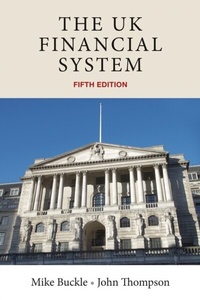
The Uk Financial System
Theory and Practice, Fifth Edition
5th Edition
Published on 30. June 2020
480 pages
978-1-5261-5369-2 (ISBN)
Description

Throughout the world the nature and regulation of financial systems have changed dramatically following the global financial crisis. This book introduces the necessary theory and a range of relevant statistics to supplement the narrative. Coverage includes a critique of the UK financial institutions and markets, as well as regulation emanating both from within the UK and also from supranational bodies such as the Bank for International Settlements and the European Union. The discussion is based on both the underlying theory as well as the operating practices of the institutions and markets.
The book is subdivided into three main sections, each supplemented by a comprehensive glossary: financial institutions; financial markets; and the regulation of banks and other financial institutions. It will be essential reading for undergraduate students enrolled on courses in financial economics and banking. -- .
The book is subdivided into three main sections, each supplemented by a comprehensive glossary: financial institutions; financial markets; and the regulation of banks and other financial institutions. It will be essential reading for undergraduate students enrolled on courses in financial economics and banking. -- .
More details
Edition
5th edition
Language
English
Place of publication
United Kingdom
Target group
College/higher education
Illustrations
44 black & white illustrations, 55 tables
ISBN-13
978-1-5261-5369-2 (9781526153692)
Copyright in bibliographic data and cover images is held by Nielsen Book Services Limited or by the publishers or by their respective licensors: all rights reserved.
Schweitzer Classification
Other editions
Additional editions
Book
08/2016
5th Edition
Manchester University Press
€48.10
Shipment within 15-20 days
Persons
Mike Buckle is Senior Lecturer in the School of Management at Liverpool University
John Thompson is Emeritus Professor of Finance at Liverpool John Moores University -- .
John Thompson is Emeritus Professor of Finance at Liverpool John Moores University -- .
Content
1. Introduction to the financial system
1.1. Introduction
1.2. The role of thefinancial system
1.3. Financial claims
1.4. Sectoral analysis of the financial system
1.5. Conclusion
Part I: Institutions
2. Financial intermediation and recent developments in the UK financial system
2.1. Introduction
2.2. The nature of financial intermediation
2.3. What do financial intermediaries do?
2.4. Implications of financial intermediation
2.5. The future for financial intermediation
2.6. Evolution of financial systems
2.7. Recent developments in theUK financial system
2.8. Conclusion
3. Banking: types of banks and the risks they face
3.1. Introduction
3.2. Retail banks
3.3. Wholesale banking
3.4. International banking
3.5. Universal banking
3.6. Islamic banking
3.7. Narrow banking
3.8. Securitisation
3.9. Risks faced by banks
3.10. Conclusion
4. Funds and other investment vehicles
4.1. Introduction
4.2. Types of investment institution
4.3. General insurance
4.4. Nature of the liabilities of long-term insurance companies
and pension funds
4.5. Portfolio investment of pension funds and long-term
insurance companies
4.6. Investment trusts, unit trusts, open-ended investment
companies and exchange-traded funds
4.7. The new funds
4.8. The shadow banking system
4.9. The alternative finance industry
4.10.Conclusion
5. Central banking
5.1.Introduction
5.2. The role of central banks
5.3. The Bank of England
5.4. Conclusion
Part II: Markets
6. Financial markets: introduction
6.1. Introduction
6.2. London as an international financial centre
6.3. The nature of markets
6.4. Completion of the transaction
6.5. Hedging, speculation and arbitrage
6.6.The efficient markets hypothesis
6.7. Behavioural finance
6.8. Conclusion
7. The market for equities
7.1. Introduction
7.2. The primary capital market
7.3. The primary market for private sector securities
7.4. The secondary market for private sector securities
7.5. Global stock market corrections
7.6. The stock markets and the efficient markets hypothesis
7.7. Conclusion
8. Interest rates and the bond market
8.1. Introduction
8.2. The structure of interest rates
8.3. The level of interest rates
8.4. Nature and valuation of bonds
8.5. The market for UK government bonds (gilt-edged securities)
8.6. The corporate bond market and credit ratings
8.7.The term structure of interest rates
8.8. Conclusion
9. The sterling money markets
9.1. Introduction
9.2. Assets traded on the London sterling money markets
9.3. Valuation of securities in the money markets
9.4. The supply of money by the central bank
9.5. The Bank of England's money market operations
9.6. Operations by the DMO in the sterling money market
9.7. Conclusion
10. The foreign exchange markets
10.1. Introduction
10.2. The nature of exchange rates
10.3. Determination of exchange rates
10.4. Nature of the forex
10.5. Nature of forex business
10.6. The efficiency of the foreign exchange market
10.7. Conclusion
11.Eurosecurities markets
11.1. Introduction
11.2. Eurobonds
11.3. Money market instruments issued through the eurosecurities markets
11.4. Euro-equities
11.5. Use of swaps in eurosecurities markets
11.6. Disintermediation
11.7. Conclusion
12. Financial derivatives
12.1. Introduction
12.2. The development and growth of financial derivatives
12.3. ICE Futures Europe (IFE)
12.4. The nature of financial futures
12.5. The nature of options
12.6. Swaps
12.7. Forward rate agreements
12.8. Contracts for difference
12.9. Credit derivatives
12.10. Problems arising from hedging or trading derivatives
12.11. The efficiency of the derivatives markets
12.12. Conclusion
13. Managing risk via the financial markets
13.1. Introduction
13.2. The nature of exchange and interest rate risk
13.3. Managing exchange rate risk: internal methods
13.4. Managing exchange rate risk: external methods
13.5. Managing interest rate risk
13.6. Conclusion
Part III: Regulation
14. The global financial crisis of 2007-8 and its implications
14.1. Introduction
14.2. Causes of financial crises
14.3. Causes of the global financial crisis of 2007-8
14.4. Responses to the 2007-8 crisis
14.5. Conclusion
15.Regulation of the banking system
15.1. Introduction
15.2. The rationale for the regulation of banks
15.3. The structure of regulation
15.4. The safety net
15.5. Regulation of capital adequacy: Basel I and II
15.6. The Basel III framework
15.7. Banking recovery and resolution
15.8. Conclusion
16.Regulation of financial institutions other than banks
16.1. Introduction
16.2. Regulation of life insurance companies
16.3. Regulation of pension funds
16.4. Investment funds
16.5. The European Market Infrastructure Regulation
16.6. The Markets in Financial Instruments Directive (MFID)
16.7. Conclusion
Part IV: Conclusions
17. Conclusions
17.1. Introduction
17.2. Critique of the financial sector
17.3. Conclusion
References
Glossary of technical terms and abbreviations
Index -- .
1.1. Introduction
1.2. The role of thefinancial system
1.3. Financial claims
1.4. Sectoral analysis of the financial system
1.5. Conclusion
Part I: Institutions
2. Financial intermediation and recent developments in the UK financial system
2.1. Introduction
2.2. The nature of financial intermediation
2.3. What do financial intermediaries do?
2.4. Implications of financial intermediation
2.5. The future for financial intermediation
2.6. Evolution of financial systems
2.7. Recent developments in theUK financial system
2.8. Conclusion
3. Banking: types of banks and the risks they face
3.1. Introduction
3.2. Retail banks
3.3. Wholesale banking
3.4. International banking
3.5. Universal banking
3.6. Islamic banking
3.7. Narrow banking
3.8. Securitisation
3.9. Risks faced by banks
3.10. Conclusion
4. Funds and other investment vehicles
4.1. Introduction
4.2. Types of investment institution
4.3. General insurance
4.4. Nature of the liabilities of long-term insurance companies
and pension funds
4.5. Portfolio investment of pension funds and long-term
insurance companies
4.6. Investment trusts, unit trusts, open-ended investment
companies and exchange-traded funds
4.7. The new funds
4.8. The shadow banking system
4.9. The alternative finance industry
4.10.Conclusion
5. Central banking
5.1.Introduction
5.2. The role of central banks
5.3. The Bank of England
5.4. Conclusion
Part II: Markets
6. Financial markets: introduction
6.1. Introduction
6.2. London as an international financial centre
6.3. The nature of markets
6.4. Completion of the transaction
6.5. Hedging, speculation and arbitrage
6.6.The efficient markets hypothesis
6.7. Behavioural finance
6.8. Conclusion
7. The market for equities
7.1. Introduction
7.2. The primary capital market
7.3. The primary market for private sector securities
7.4. The secondary market for private sector securities
7.5. Global stock market corrections
7.6. The stock markets and the efficient markets hypothesis
7.7. Conclusion
8. Interest rates and the bond market
8.1. Introduction
8.2. The structure of interest rates
8.3. The level of interest rates
8.4. Nature and valuation of bonds
8.5. The market for UK government bonds (gilt-edged securities)
8.6. The corporate bond market and credit ratings
8.7.The term structure of interest rates
8.8. Conclusion
9. The sterling money markets
9.1. Introduction
9.2. Assets traded on the London sterling money markets
9.3. Valuation of securities in the money markets
9.4. The supply of money by the central bank
9.5. The Bank of England's money market operations
9.6. Operations by the DMO in the sterling money market
9.7. Conclusion
10. The foreign exchange markets
10.1. Introduction
10.2. The nature of exchange rates
10.3. Determination of exchange rates
10.4. Nature of the forex
10.5. Nature of forex business
10.6. The efficiency of the foreign exchange market
10.7. Conclusion
11.Eurosecurities markets
11.1. Introduction
11.2. Eurobonds
11.3. Money market instruments issued through the eurosecurities markets
11.4. Euro-equities
11.5. Use of swaps in eurosecurities markets
11.6. Disintermediation
11.7. Conclusion
12. Financial derivatives
12.1. Introduction
12.2. The development and growth of financial derivatives
12.3. ICE Futures Europe (IFE)
12.4. The nature of financial futures
12.5. The nature of options
12.6. Swaps
12.7. Forward rate agreements
12.8. Contracts for difference
12.9. Credit derivatives
12.10. Problems arising from hedging or trading derivatives
12.11. The efficiency of the derivatives markets
12.12. Conclusion
13. Managing risk via the financial markets
13.1. Introduction
13.2. The nature of exchange and interest rate risk
13.3. Managing exchange rate risk: internal methods
13.4. Managing exchange rate risk: external methods
13.5. Managing interest rate risk
13.6. Conclusion
Part III: Regulation
14. The global financial crisis of 2007-8 and its implications
14.1. Introduction
14.2. Causes of financial crises
14.3. Causes of the global financial crisis of 2007-8
14.4. Responses to the 2007-8 crisis
14.5. Conclusion
15.Regulation of the banking system
15.1. Introduction
15.2. The rationale for the regulation of banks
15.3. The structure of regulation
15.4. The safety net
15.5. Regulation of capital adequacy: Basel I and II
15.6. The Basel III framework
15.7. Banking recovery and resolution
15.8. Conclusion
16.Regulation of financial institutions other than banks
16.1. Introduction
16.2. Regulation of life insurance companies
16.3. Regulation of pension funds
16.4. Investment funds
16.5. The European Market Infrastructure Regulation
16.6. The Markets in Financial Instruments Directive (MFID)
16.7. Conclusion
Part IV: Conclusions
17. Conclusions
17.1. Introduction
17.2. Critique of the financial sector
17.3. Conclusion
References
Glossary of technical terms and abbreviations
Index -- .
