
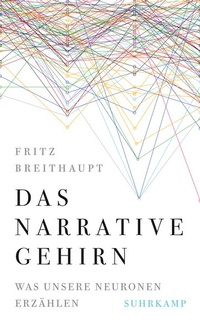
Das narrative Gehirn
Description
Alles über E-Books | Antworten auf Fragen rund um E-Books, Kopierschutz und Dateiformate finden Sie in unserem Info- & Hilfebereich.
Wer in Geschichten verstrickt ist, lebt intensiver - ich erzähle, also bin ich. Doch nicht nur das eigene Leben wird als Narration prägnanter. Mittels Erzählungen gelingt es uns auch, die Erfahrungen eines einzelnen Menschen zu solchen von vielen anderen zu machen. Dazu müssen unsere Gehirne und die Weisen, wie wir Geschichten erzählen, aufeinander abgestimmt sein. Doch wie genau geschieht das? Fritz Breithaupts brillantes Buch unternimmt eine Neubestimmung des Menschen als narratives Wesen. Narratives Denken, so zeigt er, wird stets mit spezifischen Emotionen belohnt, und das heißt: Wir leben, wie wir leben, weil wir diesen Belohnungsmustern folgen. In Narrationen kann darüber hinaus aber auch immer alles anders kommen, und ebendies erlaubt uns den Aufbruch zu neuen Ufern.
Reviews / Votes
»Fritz Breithaupt untersucht die Funktion von Geschichten für das menschliche Gehirn.«More details
Other editions
Additional editions
Person
ISNI: 0000 0000 8092 107X

System requirements
File format: ePUB
Copy protection: Watermark-DRM (Digital Rights Management)
System requirements:
- Computer (Windows; MacOS X; Linux): Use a reading software that can process the file format ePUB: e.g., Adobe Digital Editions or FBReader – both free (see eBook Help).
- Tablet/Smartphone (Android; iOS): Before downloading, install the free app Adobe Digital Editions (see eBook Help).
- E-reader: Bookeen, Kobo, Pocketbook, Sony, Tolino and many more (not Kindle).
The file format ePUB works well for novels and non-fiction books – i.e., „flowing” text without complex layout. On an e-reader or smartphone, line and page breaks automatically adjust to fit the small displays.
This eBook uses Watermark-DRM, a „soft” copy protection. This means that there are no technical restrictions to prevent illegal distribution. However, there is a personalised watermark embedded in the eBook that can be used to identify the purchaser of the eBook in the event of misuse and to provide evidence for legal purposes.
For more information, see our eBook Help page.