


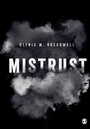
Mistrust
1st Edition
Published on 1. September 2021
216 pages
978-1-5297-6558-8 (ISBN)
Description

Mistrust in the 21st century is a major societal concern. This book:
- explores social psychological processes that explain why and how mistrust develops
- considers the effects that it has upon those who are mistrustful and those who are mistrusted
- offers a model of mistrust in individuals and communities which is based on theories of identity and social representation.
With examples ranging from the the 1872 US presidential election to the Trump era, it also considers Brexit, and has a significant focus on the Covid-19 pandemic. By looking at the role of social media, and how mistrust can be weaponised this book interrogates its place in our society. Ultimately, whilst feeling mistrust is part of being human this book warns that we ignore mistrust at our peril.
Dame Glynis M. Breakwell is Professor Emeritus at the University of Bath in the Department of Psychology and has Visiting Professorships at Imperial College, London, University of Surrey and Nottingham Trent University.
- explores social psychological processes that explain why and how mistrust develops
- considers the effects that it has upon those who are mistrustful and those who are mistrusted
- offers a model of mistrust in individuals and communities which is based on theories of identity and social representation.
With examples ranging from the the 1872 US presidential election to the Trump era, it also considers Brexit, and has a significant focus on the Covid-19 pandemic. By looking at the role of social media, and how mistrust can be weaponised this book interrogates its place in our society. Ultimately, whilst feeling mistrust is part of being human this book warns that we ignore mistrust at our peril.
Dame Glynis M. Breakwell is Professor Emeritus at the University of Bath in the Department of Psychology and has Visiting Professorships at Imperial College, London, University of Surrey and Nottingham Trent University.
Reviews / Votes
Amid the social, political and economic upheaval the world is currently experiencing, not least as a result of the COVID-19 pandemic, understanding the social psychological processes that explain why and how mistrust develops in society has never been more important. In this ground-breaking volume, Breakwell offers a comprehensive social psychological framework, focusing on multiple levels, for examining both the effects on the mistrustful and those who are mistrusted. Anyone interested in the psychology of uncertainty and mistrust and, crucially, how it can be addressed in policy and practice should read this book. -- Rusi JaspalMore details
Edition
First Edition
Language
English
Place of publication
London
United Kingdom
Publishing group
Sage Publications Ltd (Digital)
Target group
College/higher education
Professional and scholarly
Product notice
Reflowable
ISBN-13
978-1-5297-6558-8 (9781529765588)
Copyright in bibliographic data and cover images is held by Nielsen Book Services Limited or by the publishers or by their respective licensors: all rights reserved.
Schweitzer Classification
Other editions
Person
Dame Glynis M. Breakwell is Professor Emeritus at the University of Bath in the Department of Psychology and has Visiting Professorships at Imperial College, London and the University of Surrey. Her research focuses upon identity process theory, social influence and social representation processes, leadership in complex organisations, and the psychology of risk management, perception, and communication. She has published more than 20 books, several of which are on research methods. She has been an adviser to both public and private sector organisations on the use of psychological methods and theories, especially concerning responses to public crises and major emergencies.
Content
CHAPTER 1: THE NATURE OF MISTRUST
CHAPTER 2: RISK AND MISTRUST
CHAPTER 3: SHARED UNCERTAINTY
CHAPTER 4: IDENTITY, EMOTIONS AND MISTRUST
CHAPTER 5: IMAGES OF THE MISTRUSTED
CHAPTER 6: LEADERSHIP AND MISTRUST
CHAPTER 7: COMMUNICATION CHANNELS FOR INCITING MISTRUST
CHAPTER 8: WEAPONISING MISTRUST: DISINFORMATION AND PROPAGANDA
CHAPTER 9: CONSPIRACY THEORIES
CHAPTER 10: MODELLING MISTRUST PROCESSES
CHAPTER 2: RISK AND MISTRUST
CHAPTER 3: SHARED UNCERTAINTY
CHAPTER 4: IDENTITY, EMOTIONS AND MISTRUST
CHAPTER 5: IMAGES OF THE MISTRUSTED
CHAPTER 6: LEADERSHIP AND MISTRUST
CHAPTER 7: COMMUNICATION CHANNELS FOR INCITING MISTRUST
CHAPTER 8: WEAPONISING MISTRUST: DISINFORMATION AND PROPAGANDA
CHAPTER 9: CONSPIRACY THEORIES
CHAPTER 10: MODELLING MISTRUST PROCESSES
