

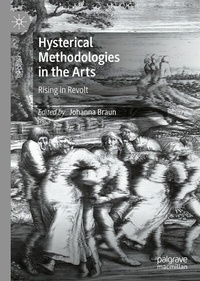
Hysterical Methodologies in the Arts
Description

Hysteria is alive and well in our present time and is apparently spreading contagiously: especially the second decade of the twenty-first century has displayed an ever-increasing interest in the term. A quick Google search opens the gates to sheer endless swathes of discussions on hysteria, covering almost every aspect of public discourses. The arts-as it is often in such cases-seem conspicuously involved in and engaged with this hysterical discourse. Surprisingly, while the strong academic interest in hysteria throughout the twentieth century and most prominently at the turn of the century is well known and much discussed, the study of how these discourses have continued well into twenty-first-century art practices, is largely pressing on a blind spot. It is the aim of this volume to illustrate how hysteria was already well established within the arts alongside and at times even separately from the much-covered medical studies, and reveal how those current artistic practices very much continue a century spanning cross-fertilization between hysteria and the arts.
Reviews / Votes
"I recommend this book warmly to all readers interested in the current state of scholarship on hysteria, art, and politics. It is an exciting and timely book with a wonderful range of work, with considerable erudition, innovative theory and artwork."-Professor Valerie Walkerdine , Cardiff University, UK
More details
Other editions
Additional editions
Person
Content
1. Introduction: Searching for Methods in this Madness; Johanna Braun.- 2. L'Arc de Cercle, or the Movement of Modernism (1620-2020); Nathan J. Timpano.- 3. Hysterias in Pictures; Anna Furse.- 4. From "Private Theatres Onstage" to Anti-Hysterical Performances: Reclaiming the Feminist Interest in Hysterical Performances since the 1990s; Tanya Augsburg.- 5. State of Anxiety: Hysterical Studies for Reproduction Struggles; Elke Krasny.- 6. Hysteria, Turning a Diagnosis into a Call; Mette Kjærgaard Præst.- 7. To Arc, and Other Studies on Hysterical Gesturing; Cindy Rehm and Johanna Braun.- 8. The Other Self of Imagination: Cindy Sherman's Hysterical Performance; Elisabeth Bronfen.- 9. Hysterical Representation in the Art of Mary Sibande; Anne Scheffer, Ingrid Stevens and Amanda du Preez.- 10. A Storm in a Teacup, and other minor melodramas: Narratives of Containment and Excess in cultured colonies / colonial cultures; Leora Farber.- 11. Making Ghosts Heard; Laura González.- 12. Hysterical Aesthetics in Contemporary Performance: Theatre, Dance, Voice; Jonathan W. Marshall.- 13. H. Y. S. T. et al, on Archiving Hysteria's Past in the Present; Shana Lutker and Johanna Braun.- 14. Male Hysteria and the Archive: An Auto-Ethnographic Reflection; Thomas Ballhausen.- 15. Notes on Hysteria in and as Arts-based Research; a Case Study; Johanna Braun.- 16. Dora with Medusa: Is Hysterical Writing a Subversive Revolution?; Elisabeth Schäfer.- 17. Lecture Performance: On Truth and its Relation to the Cellar Regions of the Body; Arno Boehler and Susanne Valerie Granzer.- 18. Via Telefaune; a Phone Call with Hélène Cixous; Helene Cixous and Elisabeth Schäfer.
