


Understanding Drug Use and Abuse
A Global Perspective
1st Edition
Published on 30. May 2014
232 pages
978-1-137-40212-7 (ISBN)
Available for download
Description

Addressing drug use and abuse as a global phenomenon, this text draws on contemporary and international research findings to examine the causes of drug use in different countries and to explore different policy responses to its prevention and treatment. It is an invaluable resource for students, practitioners and anyone concerned with drug use.
More details
Language
English
Place of publication
London
United Kingdom
Publishing group
Bloomsbury Publishing PLC
ISBN-13
978-1-137-40212-7 (9781137402127)
Copyright in bibliographic data and cover images is held by Nielsen Book Services Limited or by the publishers or by their respective licensors: all rights reserved.
Schweitzer Classification
Other editions
Additional editions
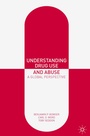
Benjamin P. Bowser | Carl O. Word | Toby Seddon
Understanding Drug Use and Abuse
A Global Perspective
Book
06/2014
Red Globe Press
€56.90
Shipment within 15-20 days
Benjamin P. Bowser | Carl O. Word | Toby Seddon
Understanding Drug Use and Abuse
A Global Perspective
Book
05/2014
Red Globe Press
€177.00
Shipment within 15-20 days
Content
- Cover
- Half-Title
- Title
- Copyright
- Dedication
- Contents
- List of Tables, Figures and Boxes
- Part I Introduction
- 1 Substance Abuse: A Growing Social Problem
- Introduction to the study of drug abuse
- Perspectives and definitions
- The role of public policy
- The use of science
- Multivariate thinking and orientation
- Book content and organization
- 2 Prevalence of Drug Use and Abuse
- Drug use and abuse
- Variations in drug use and drug users
- Variations in use of major illicit drugs
- Implications of substance use disorder
- Emerging drug problems
- 3 Old and New Prohibitions Against Alcohol and Opiates
- Substances through time
- Toward prohibition
- Regulation and prohibition
- Outcomes of prohibition
- Prohibition and regulation compared
- The new prohibition: war on drugs
- The effects of the new prohibition
- Summary
- 4 Social Marketing Perspective
- The economics of drug trafficking and dealing
- Traffickers' and dealers' responses to prohibition
- Restrained and unrestrained markets
- Mass marketing of heroin: first wave
- Mass marketing of cocaine: second wave
- Conclusion
- Part II Theoretical Perspectives
- 5 Sociological Perspectives
- Importance of theory
- Structural theories of drug abuse
- Social psychological theories of drug abuse
- Social explanations: integrating theories and research
- 6 Criminological Perspectives
- The sociology of deviance
- From deviance to normalization
- Drugs and crime
- New criminologies of everyday life
- Conclusion
- 7 Psychological Perspectives
- Psychodynamic approaches
- A trauma-related approach: adverse childhood experiences
- Social learning
- Learning theory and behaviourism
- Cognitive psychology
- Family systems
- Summary
- 8 Physiological Perspectives
- The physical correlates of drug abuse
- How physiological drug addiction works
- Factors affecting addiction
- Examples of physiological research on drug abuse
- Looking forward
- Part III Responses
- 9 Public Policy: Criminal Justice
- Importance of public policy in drug use and addiction
- Historical development of the criminal justice approach
- Has criminalization worked? Reviewing the evidence
- Criminal justice and international human rights
- Alternatives to criminalization: global drug law reform experiments
- Conclusion
- 10 Public Policy: Public Health Responses
- Public health policy: harm reduction
- Harm-reduction interventions
- Public policy and drug abuse in China
- Public policy and drug abuse in the USA
- Public policy and drug abuse in the UK
- Public policy and drug abuse in Australia
- Public policy and drug abuse in Canada
- Public policy and drug abuse in Switzerland
- Public policy and drug abuse in the Netherlands
- Some comparative points
- 11 Prevention
- Who carries out prevention?
- Levels of prevention
- Level 1: knowledge
- Level 2: affective learning
- Level 3: prevention through normative social change
- How effective are normative interventions?
- 12 Treatment
- Psychotherapy
- Object relations
- Cognitive behavioural therapy
- The social model
- Residential treatment
- Family therapy
- Natural recovery
- Part IV Conclusion
- 13 Recommendations and Afterthoughts
- Recommendations
- Evidence of effective interventions
- A worldwide challenge
- Efforts to reduce the supplies of drugs
- Returning to the economics of drug trafficking and dealing
- Afterthoughts
- New frontiers
- Conclusion
- References
- Index

