

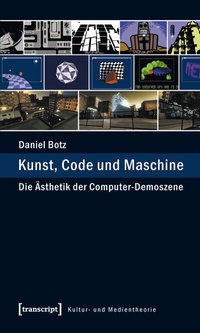
Kunst, Code und Maschine
Die Ästhetik der Computer-Demoszene
1st Edition
Published on 15. June 2014
428 pages
978-3-8394-1749-2 (ISBN)
Description

Die Demoszene ist ein Netzwerk von Computer-Enthusiasten, das bereits lange vor den Strukturen heutiger Internet-Communities existierte. Im Mittelpunkt dieser kreativen Subkultur stehen die Produktion und der Austausch audiovisueller Präsentationen, sogenannter »Demos«, wobei es sich nicht um digital erstellte Filme, sondern um Programme handelt, die auf handelsüblichen PCs oder aber auch auf antiquierten Homecomputern in Echtzeit ausgeführt werden.Das erste deutschsprachige Buch zu diesem Thema gibt einen Einblick in die Motivationen, Produktionsweisen und »Spielregeln« der Demoszene, die den schnelllebigen Computer als künstlerisches Material entdeckte.
Reviews / Votes
»Das Buch bietet eine tiefgehende Analyse der Demo-Szene.Fans werden Demos nach der Lektüre mit ehrfürchtigeren Augen sehen.«More details
Series
Language
German
Place of publication
Bielefeld
Germany
Target group
Professional and scholarly
Edition type
Digital original
Illustrations
355
355 s/w Abbildungen
zahlr. Abb.
File size
163,83 MB
ISBN-13
978-3-8394-1749-2 (9783839417492)
DOI
10.14361/transcript.9783839417492
Schweitzer Classification
Other editions
Additional editions
Book
05/2018
1st Edition
transcript
€34.80
Available immediately
Person
Content
1 - Inhalt [Seite 5]
2 - Vorwort [Seite 7]
3 - Intro [Seite 11]
3.1 - Spielregeln [Seite 13]
3.2 - Zielsetzungen [Seite 18]
3.3 - Theoriehintergrund [Seite 24]
3.4 - Quellenkunde [Seite 30]
4 - Voraussetzungen [Seite 33]
4.1 - Maschinen [Seite 33]
4.2 - Hacker [Seite 36]
4.3 - Der Personal Computer [Seite 40]
5 - Stationen [Seite 45]
5.1 - Der Commodore 64 [Seite 46]
5.2 - Dealer Quality Software [Seite 74]
5.3 - Compunet & Competitions [Seite 84]
5.4 - Der Amiga [Seite 103]
5.5 - Die dritte Dimension [Seite 153]
5.6 - Trackmos [Seite 183]
5.7 - Design [Seite 201]
5.8 - Techno Video Demo [Seite 211]
5.9 - Die C-64-Szene nach dem Amiga [Seite 214]
5.10 - Der IBM-PC [Seite 218]
5.11 - AGA- die neuen Amigas [Seite 232]
5.12 - Die »New School« des C-64 [Seite 241]
5.13 - 3D setzt sich durch [Seite 249]
5.14 - Layerdemos [Seite 266]
5.15 - Grenzauslotung der Geometrie [Seite 276]
6 - Ästhetische Strategien [Seite 289]
6.1 - Echtzeit [Seite 289]
6.2 - Restriktionen [Seite 303]
6.3 - Entgrenzung und Tiefe [Seite 325]
6.4 - Hacker-Ästhetik als Medienaneignung [Seite 331]
7 - Ästhetische Bezugsfelder [Seite 335]
7.1 - Standbildgrafik [Seite 335]
7.2 - Schrift [Seite 345]
7.3 - Räume und Architektur [Seite 354]
7.4 - Strukturen und Inhalte [Seite 362]
8 - Materialisierung und Entmaterialisierung [Seite 387]
9 - Fazit [Seite 391]
10 - Literatur [Seite 395]
11 - Plattformen [Seite 405]
12 - Bildnachweise [Seite 411]
13 - Register [Seite 417]
2 - Vorwort [Seite 7]
3 - Intro [Seite 11]
3.1 - Spielregeln [Seite 13]
3.2 - Zielsetzungen [Seite 18]
3.3 - Theoriehintergrund [Seite 24]
3.4 - Quellenkunde [Seite 30]
4 - Voraussetzungen [Seite 33]
4.1 - Maschinen [Seite 33]
4.2 - Hacker [Seite 36]
4.3 - Der Personal Computer [Seite 40]
5 - Stationen [Seite 45]
5.1 - Der Commodore 64 [Seite 46]
5.2 - Dealer Quality Software [Seite 74]
5.3 - Compunet & Competitions [Seite 84]
5.4 - Der Amiga [Seite 103]
5.5 - Die dritte Dimension [Seite 153]
5.6 - Trackmos [Seite 183]
5.7 - Design [Seite 201]
5.8 - Techno Video Demo [Seite 211]
5.9 - Die C-64-Szene nach dem Amiga [Seite 214]
5.10 - Der IBM-PC [Seite 218]
5.11 - AGA- die neuen Amigas [Seite 232]
5.12 - Die »New School« des C-64 [Seite 241]
5.13 - 3D setzt sich durch [Seite 249]
5.14 - Layerdemos [Seite 266]
5.15 - Grenzauslotung der Geometrie [Seite 276]
6 - Ästhetische Strategien [Seite 289]
6.1 - Echtzeit [Seite 289]
6.2 - Restriktionen [Seite 303]
6.3 - Entgrenzung und Tiefe [Seite 325]
6.4 - Hacker-Ästhetik als Medienaneignung [Seite 331]
7 - Ästhetische Bezugsfelder [Seite 335]
7.1 - Standbildgrafik [Seite 335]
7.2 - Schrift [Seite 345]
7.3 - Räume und Architektur [Seite 354]
7.4 - Strukturen und Inhalte [Seite 362]
8 - Materialisierung und Entmaterialisierung [Seite 387]
9 - Fazit [Seite 391]
10 - Literatur [Seite 395]
11 - Plattformen [Seite 405]
12 - Bildnachweise [Seite 411]
13 - Register [Seite 417]
