

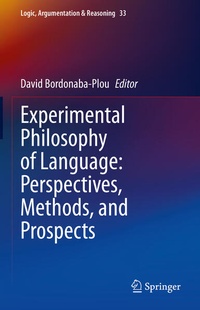
Experimental Philosophy of Language: Perspectives, Methods, and Prospects
Description

This book presents the current state of experimental philosophy of language, drawing attention to corpus methods. The volume highlights new trends in experimental philosophy of language, thus exploring the future's discipline. It includes cross-linguistics studies that reveal the differences and similarities in how speakers of different languages use specific terms, and scrutinizes methodological advances used in experimental philosophy of language. The book also includes politically engaged experimental philosophy of language studies focusing on slurs, pejoratives, and hate speech. The topic's interdisciplinary nature makes the volume of interest to a broad range of scholars across disciplines including philosophy, linguistics, philology, psychology, and computational linguistics.
More details
Other editions
Additional editions
Person
David Bordonaba-Plou is a Lecturer in Philosophy of Language at the Universidad Complutense de Madrid (Spain). He graduated in Philosophy from the Universidad de Granada (Spain) in 2010. Master in Lógica y Filosofía de la Ciencia by the Universidade de Santiago de Compostela (Spain) in 2011. Predoctoral grant of the Programa de Formación de Personal Investigador granted by the Ministerio de Ciencia e Innovación (Spain) from 2011 to 2015. He received his Ph.D. in Philosophy from the Universidad de Granada (Spain) in 2017 with the dissertation "Operadores de orden superior y predicados de gusto: Una aproximación expresivista". He was the principal investigator of the FONDECYT project "A Computational Dynamic Analysis of Public Debates on Politics, Aesthetics and Taste" at the Universidad de Valparaíso (Chile) from 2018 to 2021.
