

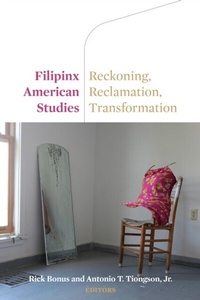
Filipinx American Studies
Reckoning, Reclamation, Transformation
Published on 7. June 2022
304 pages
978-0-8232-9960-7 (ISBN)
Description

This volume spotlights the unique suitability and situatedness of Filipinx American studies both as a site for reckoning with the work of historicizing U.S. empire in all of its entanglements, as well as a location for reclaiming and theorizing the interlocking histories and contemporary trajectories of global capitalism, racism, sexism, and heteronormativity. It encompasses an interrogation of the foundational status of empire in the interdiscipline; modes of labor analysis and other forms of knowledge production; meaning-making in relation to language, identities, time, and space; the critical contours of Filipinx American schooling and political activism; the indispensability of relational thinking in Filipinx American studies; and the disruptive possibilities of Filipinx American formations. A catalogue of key resources and a selected list of scholarship are also provided.
Filipinx American Studies constitutes a coming-to-terms with not only the potentials and possibilities but also the disavowals, silences, and omissions that mark Filipinx American studies. It provides a reflective and critical space for thinking through the ways Filipinx American studies is uniquely and especially suited to the interrogation of the ongoing legacies of U.S. imperialism and the urgencies of the current period.
Contributors: Karin Aguilar-San Juan, Angelica J. Allen, Gina Apostol, Nerissa S. Balce, Joi Barrios-Leblanc, Victor Bascara, Jody Blanco, Alana Bock, Sony Coranez Bolton, Lucy Mae San Pablo Burns, Richard T. Chu, Gary A. Colemnar, Kim Compoc, Denise Cruz, Reuben B. Deleon, Josen Masangkay Diaz, Robert Diaz, Kale Bantigue Fajardo, Theodore S. Gonzalves, Vernadette Vicuna Gonzalez, Anna Romina Guevara, Allan Punzalan Isaac, Martin F. Manalansan IV, Dina C. Maramba, Cynthia Marasigan, Edward Nadurata, JoAnna Poblete, Anthony Bayani Rodriguez, Dylan Rodriguez, Evelyn Ibatan Rodriguez, Robyn Magalit Rodriguez, J. A. Ruanto-Ramirez, Jeffrey Santa Ana, Dean Itsuji Saranillio, Michael Schulze-Oechtering, Sarita Echavez See, Roy B. Taggueg Jr.
Filipinx American Studies constitutes a coming-to-terms with not only the potentials and possibilities but also the disavowals, silences, and omissions that mark Filipinx American studies. It provides a reflective and critical space for thinking through the ways Filipinx American studies is uniquely and especially suited to the interrogation of the ongoing legacies of U.S. imperialism and the urgencies of the current period.
Contributors: Karin Aguilar-San Juan, Angelica J. Allen, Gina Apostol, Nerissa S. Balce, Joi Barrios-Leblanc, Victor Bascara, Jody Blanco, Alana Bock, Sony Coranez Bolton, Lucy Mae San Pablo Burns, Richard T. Chu, Gary A. Colemnar, Kim Compoc, Denise Cruz, Reuben B. Deleon, Josen Masangkay Diaz, Robert Diaz, Kale Bantigue Fajardo, Theodore S. Gonzalves, Vernadette Vicuna Gonzalez, Anna Romina Guevara, Allan Punzalan Isaac, Martin F. Manalansan IV, Dina C. Maramba, Cynthia Marasigan, Edward Nadurata, JoAnna Poblete, Anthony Bayani Rodriguez, Dylan Rodriguez, Evelyn Ibatan Rodriguez, Robyn Magalit Rodriguez, J. A. Ruanto-Ramirez, Jeffrey Santa Ana, Dean Itsuji Saranillio, Michael Schulze-Oechtering, Sarita Echavez See, Roy B. Taggueg Jr.
More details
Edition
New edition
Language
English
Place of publication
NY
United States
Target group
Professional and scholarly
Edition type
New edition
File size
3,16 MB
ISBN-13
978-0-8232-9960-7 (9780823299607)
Copyright in bibliographic data and cover images is held by Nielsen Book Services Limited or by the publishers or by their respective licensors: all rights reserved.
Schweitzer Classification
Other editions
Additional editions
Book
06/2022
Fordham University Press
€39.50
Shipment within 10-20 days
Persons
Rick Bonus (Edited By)
Rick Bonus is Professor of American Ethnic Studies at the University of Washington. He is the author, most recently, of The Ocean in the School: Pacific Islander Students Transforming Their University.
Antonio Tiongson (Edited By)
Antonio T. Tiongson, Jr. is Associate Professor of English at Syracuse University. He is the author of Filipinos Represent: DJs, Racial Authenticity, and the Hip-hop Nation.
Rick Bonus is Professor of American Ethnic Studies at the University of Washington. He is the author, most recently, of The Ocean in the School: Pacific Islander Students Transforming Their University.
Antonio Tiongson (Edited By)
Antonio T. Tiongson, Jr. is Associate Professor of English at Syracuse University. He is the author of Filipinos Represent: DJs, Racial Authenticity, and the Hip-hop Nation.
Content
Filipinx American Critique: An Introduction 1
Rick Bonus and Antonio T. Tiongson Jr.
Section A: Reckoning
Part I: Empire as Endless War
1. Empire: Turns and Returns 33
Vernadette Vicuna Gonzalez
2. Empire as the Rule of War and Fascism 42
Nerissa S. Balce
3. Empire: US States at the Intersection of Diaspora and Indigeneity 57
Dean Itsuji Saranillio
4. The Persistence of War through Migration 67
Cynthia Marasigan
5. Liminal Services: Third Spaces of Being within the United States 83
JoAnna Poblete
6. "Genocide" and the Poetics of Alter-Being in the Obsolescence of the "Filipino American" 91
Dylan Rodriguez
Part II: Labor and Knowledge/Power
7. Filipinx Labor and the Contradictions of US Empire 103
Josen Masangkay Diaz
8. On History, Development, and Filipinx American Studies: Emergent, Dominant, and Residual 111
Victor Bascara
9. The Limits of "Immigration" Frameworks:
Centering Empire in Analyzing Migration and the Diaspora 118
Roy B. Taggueg Jr. and Robyn Magalit Rodriguez
10. Including the Excluded:
The "Chinese" in the Philippines and the Study of "Migration" in Filipinx American Studies 128
Richard T. Chu
11. Labor and Carework 138
Anna Romina Guevarra
12. The Labor of History in Filipinx Historiography 148
Jody Blanco
Section B: Reclamation
Part III: Across Language, Sex-Gender, and Space-Time Geographies
13. Pag-uugat at Paglalayag (Roots and Journeys): Filipino Language Learning and Activism 165
Joi Barrios
14. In an Archipelago and Sea of Complexities: Contemporary Intersectional / Transpacific / Decolonial Queer and/or Trans Filipinx American Studies 174
Kale Bantigue Fajardo
15. Dating as Affect in Filipinx Migration 185
Allan Punzalan Isaac
16. Gender: A Transpacific Feminist Approach to Filipinx Studies 192
Denise Cruz
17. The Contingencies of Kasarian 201
Robert Diaz
Part IV: Critical Schooling and Justice in Other Words
18. Filipinx Americans and Higher Education 211
Dina C. Maramba
19. Filipinx American College Student Identities: A Critique of Models 221
Reuben B. Deleon
20. Third World Studies and the Living Archive of US-based Filipinx Activism 229
Michael Schulze-Oechtering
21. Activism Is in the Heart of Filipinx American Studies 239
Jeffrey Santa Ana
22. Filipinx American Activism-and Why I Once Loved Manny Pacquiao 256
Karin Aguilar-San Juan
23. Considerations from the US-Occupied Pacific 267
Kim Compoc
Section C: Transformation
Part V: Relationalities, Intimacies, and Entanglements
24. Filipinxness: An Epochal Perspective 279
Anthony Bayani Rodriguez
25. A Tale of Two "X"s: Queer Filipinx and Latinx Linguistic Intimacies 284
Sony Coranez Bolton
26. Hypervisible (In)visibility: Black Amerasians 291
Angelica J. Allen
27. Why I Don't (Really) Consider Myself a Filipinx:
Complicating "Filipinxness" from a Katutubo Intervention 298
J. A. Ruanto-Ramirez
28. Repertoires on Other Stages 308
Theodore S. Gonzalves
Part VI: Recalcitrant Bodies, Unruly Vernaculars
29. Confronting Worldly Acts: Filipinx Performances and Their Elsewheres 323
Lucy MSP Burns
30. Aye Nako!: The Frustrations of Filipinx American Illegibility 335
Alana J. Bock
31. Who Cares?: Ability and the Elderly Question in Filipinx American Studies 343
Edward Nadurata
32. Dalaga na!: Gender and Youth Studies Come of Age in Filipinx Studies 352
Evelyn Ibatan Rodriguez
33. Unpacking Hiya: (Trans)national "Traits" and the (Un)making of Filipinxness 362
Martin F. Manalansan IV
34. Language Run Amok 370
Sarita Echavez See
Afterword 379
Gina Apostol
Appendixes: Key Resources in Filipinx American Studies
A. A Selection of Library Research Tools and Web Resources Related to Filipinx American Studies 385
Gerardo A. Colmenar
B. Selected List of Scholarship on Filipinx American Studies 403
Edward Nadurata
Acknowledgments 415
List of Contributors 419
Index 435
Rick Bonus and Antonio T. Tiongson Jr.
Section A: Reckoning
Part I: Empire as Endless War
1. Empire: Turns and Returns 33
Vernadette Vicuna Gonzalez
2. Empire as the Rule of War and Fascism 42
Nerissa S. Balce
3. Empire: US States at the Intersection of Diaspora and Indigeneity 57
Dean Itsuji Saranillio
4. The Persistence of War through Migration 67
Cynthia Marasigan
5. Liminal Services: Third Spaces of Being within the United States 83
JoAnna Poblete
6. "Genocide" and the Poetics of Alter-Being in the Obsolescence of the "Filipino American" 91
Dylan Rodriguez
Part II: Labor and Knowledge/Power
7. Filipinx Labor and the Contradictions of US Empire 103
Josen Masangkay Diaz
8. On History, Development, and Filipinx American Studies: Emergent, Dominant, and Residual 111
Victor Bascara
9. The Limits of "Immigration" Frameworks:
Centering Empire in Analyzing Migration and the Diaspora 118
Roy B. Taggueg Jr. and Robyn Magalit Rodriguez
10. Including the Excluded:
The "Chinese" in the Philippines and the Study of "Migration" in Filipinx American Studies 128
Richard T. Chu
11. Labor and Carework 138
Anna Romina Guevarra
12. The Labor of History in Filipinx Historiography 148
Jody Blanco
Section B: Reclamation
Part III: Across Language, Sex-Gender, and Space-Time Geographies
13. Pag-uugat at Paglalayag (Roots and Journeys): Filipino Language Learning and Activism 165
Joi Barrios
14. In an Archipelago and Sea of Complexities: Contemporary Intersectional / Transpacific / Decolonial Queer and/or Trans Filipinx American Studies 174
Kale Bantigue Fajardo
15. Dating as Affect in Filipinx Migration 185
Allan Punzalan Isaac
16. Gender: A Transpacific Feminist Approach to Filipinx Studies 192
Denise Cruz
17. The Contingencies of Kasarian 201
Robert Diaz
Part IV: Critical Schooling and Justice in Other Words
18. Filipinx Americans and Higher Education 211
Dina C. Maramba
19. Filipinx American College Student Identities: A Critique of Models 221
Reuben B. Deleon
20. Third World Studies and the Living Archive of US-based Filipinx Activism 229
Michael Schulze-Oechtering
21. Activism Is in the Heart of Filipinx American Studies 239
Jeffrey Santa Ana
22. Filipinx American Activism-and Why I Once Loved Manny Pacquiao 256
Karin Aguilar-San Juan
23. Considerations from the US-Occupied Pacific 267
Kim Compoc
Section C: Transformation
Part V: Relationalities, Intimacies, and Entanglements
24. Filipinxness: An Epochal Perspective 279
Anthony Bayani Rodriguez
25. A Tale of Two "X"s: Queer Filipinx and Latinx Linguistic Intimacies 284
Sony Coranez Bolton
26. Hypervisible (In)visibility: Black Amerasians 291
Angelica J. Allen
27. Why I Don't (Really) Consider Myself a Filipinx:
Complicating "Filipinxness" from a Katutubo Intervention 298
J. A. Ruanto-Ramirez
28. Repertoires on Other Stages 308
Theodore S. Gonzalves
Part VI: Recalcitrant Bodies, Unruly Vernaculars
29. Confronting Worldly Acts: Filipinx Performances and Their Elsewheres 323
Lucy MSP Burns
30. Aye Nako!: The Frustrations of Filipinx American Illegibility 335
Alana J. Bock
31. Who Cares?: Ability and the Elderly Question in Filipinx American Studies 343
Edward Nadurata
32. Dalaga na!: Gender and Youth Studies Come of Age in Filipinx Studies 352
Evelyn Ibatan Rodriguez
33. Unpacking Hiya: (Trans)national "Traits" and the (Un)making of Filipinxness 362
Martin F. Manalansan IV
34. Language Run Amok 370
Sarita Echavez See
Afterword 379
Gina Apostol
Appendixes: Key Resources in Filipinx American Studies
A. A Selection of Library Research Tools and Web Resources Related to Filipinx American Studies 385
Gerardo A. Colmenar
B. Selected List of Scholarship on Filipinx American Studies 403
Edward Nadurata
Acknowledgments 415
List of Contributors 419
Index 435
