

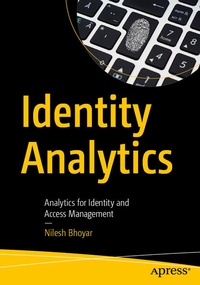
Identity Analytics
Description

Misconfigured identities are the leading cause of cyber incidents. Organizations are investing significant resources to address these vulnerabilities, but these investments often prioritize meeting compliance requirements set by regulators. However, the controls and monitoring systems implemented are not designed for real-time threat detection and risk mitigation. Consequently, organizations often resort to purchasing multiple expensive vendor products, which then require extensive reconfiguration due to the varied identity landscapes of each organization.
In this book, we explore how individuals can construct their own identity analytics solution from scratch. We provide starter code to facilitate understanding, catering to beginners. This knowledge can also serve as guidance for those considering vendor products. The book commences with general principles and progresses to cover specific use cases, accompanied by sample code for each.
Much of the available material originates from vendors, which tends to focus more on marketing rather than addressing systemic issues. Alternatively, materials may solely concentrate on Identity and Access Management (IAM) processes and governance without delving deeply into the topics discussed here.
What You Will Learn:
- The relationship between IAM and Identity Analytics.
- Statistical methods, data curation processes, and risk scoring that contribute to effective IAM strategies.
- How to utilize advanced ML/AI techniques for implementing impactful IAM programs, including various use cases that demonstrate their effectiveness.
Who this book is for:
Software engineers specializing in IAM technologies are essential in every enterprise, regardless of size. Cyber analysts focus on insider threats and identity threat detection systems. Governance and risk associates handle compliance related to identity management systems. Data analysts, data scientists, and machine learning engineers are involved in deploying identity analytics systems. IAM and cyber executives and sponsors seek to understand the return on investment (ROI) of IAM investments. Engineers who are working on advanced initiatives such as GenAI, and zero trust.
More details
Other editions
Additional editions
Person
Nilesh Bhoyar is an accomplished Data Science and Engineering leader with 18 years of experience in developing data-driven solutions for complex business challenges within financial services, supply chain, and cybersecurity domains. His track record includes driving innovation, collaborating with executive teams, and leading high-performing units. Currently, Nilesh is Senior Director of the Cyber Identity Security Management team at Capital One. Nilesh is at the forefront of leveraging data, machine learning, and AI to proactively mitigate threats to critical infrastructure and applications.
Content
Chapter 1: Introduction to Identity and Access Management.- Chapter 2: Fundamentals of Identity Analytics. Chapter 3: Data Preparation.- Chapter 4: Risk Aware Metrics.- Chapter 5: Risk Based Access Management.- Chapter 6: Identity Threat Detection and Response Chapter 7: Analytics for Cloud Access Management Chapter 8:Analytics For Regulatory Reporting Chapter 9: Machine Learning Techniques in Identity Analytics Chapter 10: GenAI for IAM Chapter 11:Analytics For Zero Trust.
