

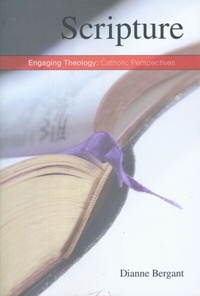
Scripture
Description

"Ignorance of Scripture is ignorance of Christ." What Saint Jerome said centuries ago is surely still true today; any serious theological study must be grounded in Scripture. While there are plenty of biblical scholars today, few authors are able to introduce Scripture to students the way Dianne Bergant does. Bergant invites readers to genuinely engage Scripture, to enter the world of the text and explore some of the age-old questions that arise in every generation:
' What does it mean to say that the Word of God is both divine and human? ' Why is biblical history so important to the study of Scripture and theology? ' Why are there different literary forms in the Bible? ' Why the competing voices and apparent contradictions?
In language that is clear and compelling, Bergant explores the answers to these and other questions. She surveys the world of the Bible and biblical scholarship in an introduction that is sure to spark enthusiasm and further interest. This volume in the Engaging Theology series instills solid knowledge of Scripture and, thereby, knowledge of Christ, demonstrating that "the Bible is an inexhaustible source of challenge and delight, of inspiration and guidance, and a testimony to ultimate meaning and value."
More details
Other editions
Additional editions
Person
Content
- Intro
- Title Page
- Copyright
- Contents
- Editor's Preface
- Introduction
- Part I: In Human Words
- Chapter 1: Out of History
- The Tribes of Israel
- The Monarchy
- Postexilic Israel
- Hellenistic Period
- Roman Period
- Summary
- Chapter 2: In a Place
- Shrines
- Cities
- Culture
- Summary
- Chapter 3: About God
- Images of God
- Covenant
- Worship and Prayer
- Summary
- Chapter 4: From God
- Revelation
- Inspiration
- "Fulfilled in your hearing"
- Summary
- Part II: What Did It Mean?
- Chapter 5: What Kind of Book Is It?
- Literary Forms
- The Canon
- Summary
- Chapter 6: What Did They Believe?
- "You will be my people"
- "I will be your God"
- This Age and the Age to Come
- Canonical Form
- "Who do you say I am?"
- Summary
- Part III: What Does It Mean?
- Chapter 7: How Did They Do It?
- Rewriting
- Prefigurement/Typology
- Allegory
- Midrash
- Theological Interpretation
- Summary
- Chapter 8: How Do We Do It?
- Author-centered Approaches
- Text-centered Approaches
- Reader-centered Approaches
- Summary
- Conclusion
- Further Reading
- Subject Index
- Scripture Index
