

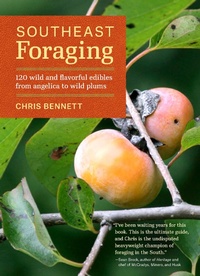
Southeast Foraging
120 Wild and Flavorful Edibles from Angelica to Wild Plums
Published on 6. May 2015
296 pages
978-1-60469-691-2 (ISBN)
Description

Discover the edible resources the Southeast has to offer with this helpful foraging guide book.
The Southeast provides a veritable feast for foragers, and with Chris Bennett as your trusted guide, you'll learn how to safely find and identify an abundance of delicious wild plants. The plant profiles in Southeast Foraging include:
*Clear, color photographs
*Identification tips
*Guidance on how to ethically harvest
*Suggestions for eating and preserving
A handy seasonal planner details which plants are available during every season. Thorough, comprehensive, and safe, this is a must-have for foragers in Alabama, Arkansas, Florida, Georgia, Maryland, Kentucky, Louisiana, Mississippi, North Carolina, South Carolina, Tennessee, Virginia, and West Virginia.
"This is the ultimate guide, and Chris is the undisputed heavyweight champion of foraging in the South." -Sean Brock, author of Heritage and chef of McCradys, Minero, and Husk
The Southeast provides a veritable feast for foragers, and with Chris Bennett as your trusted guide, you'll learn how to safely find and identify an abundance of delicious wild plants. The plant profiles in Southeast Foraging include:
*Clear, color photographs
*Identification tips
*Guidance on how to ethically harvest
*Suggestions for eating and preserving
A handy seasonal planner details which plants are available during every season. Thorough, comprehensive, and safe, this is a must-have for foragers in Alabama, Arkansas, Florida, Georgia, Maryland, Kentucky, Louisiana, Mississippi, North Carolina, South Carolina, Tennessee, Virginia, and West Virginia.
"This is the ultimate guide, and Chris is the undisputed heavyweight champion of foraging in the South." -Sean Brock, author of Heritage and chef of McCradys, Minero, and Husk
More details
Other editions
Additional editions
Book
04/2015
Timber Press
€25.00
Shipment within 3-4 weeks
Person
Chris Bennett is a forager, writer, cheesemonger, and trained chef. He has worked with top chefs around the Southeast providing unique ingredients to the area's best restaurants. He has been featured in Birmingham Magazine, Cooking Light, Garden & Gun, Discover St. Clair, and The Hot and Hot Fish Club Cookbook. He is a frequent speaker, and was selected as one of Southern Living magazine's "50 Innovators Changing the South."
Content
- Cover
- Title
- Copyright
- Table of Contents
- Preface: Foraging in the Southeast
- Foraging: An Introduction
- Wild Harvests Season by Season
- Wild Edible Plants of the Southeast
- American hazelnut
- American lotus
- American persimmon
- angelica
- apple
- Asiatic dayflower
- asparagus
- autumn olive
- basswood
- beach plum
- beech
- blackberry
- black birch
- black cherry
- black locust
- black mustard
- black nightshade
- black walnut
- blueberry
- burdock
- butternut
- cat's ear dandelion
- cattail
- chickweed
- chicory
- chokeberry
- cleavers
- common amaranth
- common mallow
- cow parsnip
- crabapple
- crinkleroot
- curly dock
- dandelion
- daylily
- elderberry
- evening primrose
- false Solomon's seal
- field garlic
- field mustard
- field thistle
- garlic mustard
- ginkgo
- glasswort
- goldenrod
- gooseberry
- greenbrier
- hackberry
- hawthorn
- henbit
- hickory
- hoary bittercress
- honeysuckle
- Japanese knotweed
- Jerusalem artichoke
- juneberry
- juniper
- kousa dogwood
- kudzu
- lady's thumb
- lamb's quarters
- Loomis's mountain mint
- marsh marigold
- mayapple
- mayhaw
- maypop
- milkweed
- mulberry
- New Jersey tea
- oak
- oxeye daisy
- pawpaw
- pennywort
- pickerelweed
- pineapple weed
- plantain
- pokeweed
- prickly pear
- purple dead nettle
- purslane
- ramps
- red bay
- redbud
- red clover
- rose
- salsify
- saltwort
- sassafras
- sea purslane
- sea rocket
- sheep sorrel
- shepherd's purse
- shiso
- Solomon's seal
- sow thistle
- spicebush
- spiderwort
- stinging nettle
- sumac
- violet
- Virginia pine
- wapato
- watercress
- white clover
- wild carrot
- wild ginger
- wild grape
- wild lettuce
- wild onion
- wild pear
- wild plum
- wild rice
- wild strawberry
- wineberry
- wintergreen
- wisteria
- wood nettle
- wood sorrel
- yarrow
- yellow trout lily
- Further Reading
- Acknowledgments
- Photography Credits
- Index
