

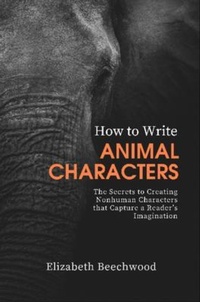
How to Write Animal Characters
Description

Storytellers have used animal characters to tell human stories since ancient times. Today, stories with animal protagonists can be found in almost every genre, attaining bestseller list status and winning prestigious literary awards. So, what is it about writing from the perspective of non-human entity that appeals to so many writers? Why choose an animal character when writing from a human perspective would be so much easier? And why, after all these centuries are readers still drawn to animal stories?
In How to Write Animal Characters, author and editor Elizabeth Beechwood examines how to create believable, well-rounded animal characters that will resonate with your readers long after "the end."
In this workbook you'll:
· Explore four elements of animal characterization-Point of View/Perception, Behavior, Intelligence, and The Wilding
· Identify the challenges of writing animal characters, including the limitations of communication, movement, and knowledge
· Study examples from various genres of literature
· Apply what you learn to your own stories with writing exercises in each chapter
Bring your curiosity and a playful spirit to the page and screen and get started creating animal characters that will capture your reader's imagination!
More details
Person
Content
Welcome!
Notes from a Nerdy Kid
Advantages, Challenges, and Four Elements
How to Use This Workbook
Choosing Your Animal Character
Widen Your Scope
Let's Go!
Exercises
Chapter One - Point of View and Perception
Point of View
First Person
Third Person
Troubleshooting POV
Perception
Animal Senses
Environment as Catalyst
Seasonality and Time
Descriptions
Research
POV/Perception Sliding Scale
Exercises
Chapter Two - Behavior
The Behavior-Perception Connection
Behavior to Break the Tension
Research
Realistic vs. Fantastic
Changing Environment, Changing Behavior
Mythical Creatures
Exercises
Chapter Three - Mental and Emotional Intelligence
Mental Intelligence
Learning
Communication
Myths and Culture
Emotional Intelligence
The Behavior Connection
Research
Exercises
Chapter Four - The Wilding
The Wilding - Revealing the Shadow Self
A Word of Caution About Writing the Wilding
When to Go Wilding
Option 1: The Beginning
Option 2: The Midpoint
Option 3: The Climax
Mythical Creatures
Exercises
Putting It All Together and Using Your Superpower
Animals to Explore
Resources
About the Author
