

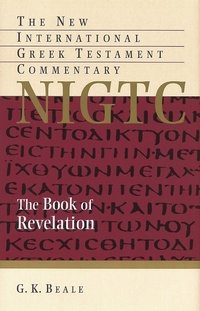
Book of Revelation
Published on 7. September 2013
1073 pages
978-1-4674-2230-7 (ISBN)
Description

This monumental commentary on the book of Revelation, originally published in 1999, has been highly acclaimed by scholars, pastors, students, and others seriously interested in interpreting the Apocalypse for the benefit of the church. Too often Revelation is viewed as a book only about the future. As G. K. Beale shows, however, Revelation is not merely a futurology but a book about how the church should live for the glory of God throughout the ages -- including our own.Engaging important questions concerning the interpretation of Revelation in scholarship today, as well as interacting with the various viewpoints scholars hold on these issues, Beale's work makes a major contribution in the much-debated area of how the Old Testament is used in the Apocalypse. Approaching Revelation in terms of its own historical background and literary character, Beale argues convincingly that John's use of Old Testament allusions -- and the way the Jewish exegetical tradition interpreted these same allusions -- provides the key for unlocking the meaning of Revelation's many obscure metaphors. In the course of Beale's careful verse-by-verse exegesis, which also untangles the logical flow of John's thought as it develops from chapter to chapter, it becomes clear that Revelation's challenging pictures are best understood not by apparent technological and contemporary parallels in the twentieth century but by Old Testament and Jewish parallels from the distant past.
More details
Other editions
Additional editions
Book
08/2013
William B Eerdmans Publishing Co
€94.27
Article exhausted; check different version
Content
- Intro
- Title Page
- Copyright
- Dedication
- Contents
- Foreword
- Preface
- Abbreviations
- Bibliography
- Introduction
- The Date of the Apocalypse
- Arguments for a Late Date
- Emperor Worship
- Persecution of Christians
- The Condition of the Churches in Asia Minor
- The Myth of Nero's Reappearance
- "Babylon"
- The Earliest Traditions
- Arguments for an Early Date
- The Temple and Jerusalem
- The Seven Kings
- "666"
- "Babylon"
- The Initial Thematic Focus of 1:7
- Conclusion
- The Situation of the Churches and the Purpose and Theme of the Book
- Authorship
- Genre
- Major Interpretative Approaches
- The Preterist View
- The Historicist View
- The Futurist View
- The Idealist View
- The View of This Commentary: Eclecticism, or a Redemptive-Historical Form of Modified Idealism
- Interpretation of Symbolism
- The Symbolic Nature of the Apocalypse
- A Method for Interpreting Symbols
- Symbols as Figurative Comparisons: Metaphor, Simile, and Other Comparative Forms of Speech
- The Symbolic Significance of Numbers
- The Perspective of the "New Hermeneutic" on John's Symbols
- The General Purpose of Symbolism in the Apocalypse
- The Text of Revelation
- The Use of the Old Testament in the Apocalypse
- Preliminary Considerations
- What Is Cited
- Combined Allusions and the Issue of Literary Consciousness
- Contextual and Noncontextual Use
- Various Uses of the Old Testament in the Apocalypse
- Old Testament Segments as Literary Prototypes
- Thematic Uses
- Analogical Uses
- Universalization
- Possible Indirect Fulfillment Uses
- Inverted Uses
- Stylistic Use of Old Testament Language
- Conclusion
- The Grammar of the Apocalypse
- The Solecisms as Signals for the Presence of Old Testament Allusions
- The Difference between "Semitisms" and "Septuagintalisms"
- Variants in Significant Manuscripts in Passages Containing Solecisms
- The Structure and Plan of John's Apocalypse
- Literary Outline
- The Interpretative Relationship of the Segments
- The Futurist Position
- The Progressive Recapitulation (Parallelism) Position
- Concluding Reflections: The Interpretative Significance of the Book's Structure, the Broad Flow of Its Thought
- The Disputed Significance of Revelation 1:19 as an Interpretative Key to the Book
- The New View: "What Is to Happen after These Things" Is an Eschatological Expression from Dan. 2:28-29, 45 (View i)
- 1:1
- 1:19
- 4:1
- 22:6
- The Chronological Sequence View (View ii)
- A Double Reference to Present and Future (View iii)
- "What You See" and "What Is" Refer to 1:12-20
- "What Will Happen after These Things" Refers to Chs. 4-22 (View iv)
- An Expression of the Temporally Gnomic or Suprahistorical Character of the Book's Ideas (View v)
- A Genre Formula Indicating the Mixture of Literary Genres in the Book (View vi)
- Conclusion
- The Theology and Goal of the Apocalypse
- Suffering and Victory
- The Throne
- The New Creation: One of the Book's Goals
- The Place of Christians in the World
- The Theological Meaning of the Use of Symbols
- Commentary
- 1:1-20: Prologue
- Introduction: The Apocalypse Was Revealed for Witness, Which Results in Blessing (1:1-3)
- Salutation: John Greets the Churches on Behalf of the Father, the Spirit, and the Son, Whose Redemptive Work Results in the Churches' New Status, All to God's Glory (1:4-8)
- John Is Commissioned to Write to the Churches Because Their Confidence Is Grounded in Christ's Installation as Cosmic Judge, Priest, and Ruler of the Church as a Result of His Victory over Death (1:9-20)
- Summary of 1:12-20
- Theological Implications of the Old Testament Allusions
- 2:1-3:22: The Letters to the Seven Churches: Christ Encourages the Churches to Witness, Warns Them against Compromise, and Exhorts Them to Hear and to Overcome Compromise in Order to Inherit Eternal Life
- The Letters
- Christ Commends the Ephesian Church for Its Orthodoxy, Condemns It for Its Lack of Witness, and Exhorts It to Overcome This Lack in Order to Inherit Eternal Life (2:1-7)
- "The One Having Ears, Let Him Hear": Its Significance in the Letters and Its Place in the Apocalypse as a Whole
- Christ Commends the Church of Smyrna for Enduring Tribulation and Encourages It to Continue to Be Faithful in Anticipation of Imminent, More Severe Persecution, in Order to Inherit Eternal Life and Heavenly Kingship (2:8-11)
- Christ Commends the Church in Pergamum for Its Persevering Witness in the Midst of Persecution, Condemns It for Its Permissive Spirit of Idolatrous Compromise, and Exhorts It to Overcome This in Order Not to Be Judged but to Inherit End-Time Fellowship and Identification with Christ (2:12-17)
- The "New Name"
- Christ Commends the Church of Thyatira for Its Christian Works of Witness, Condemns It for Its Permissive Spirit of Idolatrous Compromise, and Exhorts It to Overcome This in Order Not to Be Judged but to Inherit End-Time Rule Together with Christ (2:18-29)
- The Ironic Notion of "Overcoming"
- Christ Condemns the Church in Sardis for Its Lack of Witness and Its Compromise and Exhorts It to Overcome This in Order to Inherit the Blessings of Salvation Life (3:1-6)
- Christ Commends the Church in Philadelphia for Its Persevering Witness, in Which He Will Empower Its Members Further, and Encourages Them to Continue to Persevere So as to Inherit End-Time Fellowship and Identification with Him (3:7-13)
- Christ Condemns the Church in Laodicea for Its Ineffective Witness and Deplorable Spiritual Condition and Exhorts Its Members to Persevere by Becoming Faithful Witnesses and Renewing Their Fellowship with Him So as to Reign with Him (3:14-22)
- The Old Testament Background of Christ's Titles in 3:14
- The Relevance of the Titles for the Remainder of the Letter to Laodicea
- 4:1-5:14: God and Christ Are Glorified Because Christ's Resurrection Demonstrates That They Are Sovereign over Creation to Judge and to Redeem
- The Relation of Chapters 1-3 to Chapters 4-5
- Chapters 4-5 as a Heavenly Liturgy and Pattern for the Church's Liturgy
- God Is Glorified Because He Is Sovereign Judge and Redeemer over Creation at Its Inception and throughout History (4:1-11)
- God and the Lamb Are Glorified Because They Have Begun to Execute Their Sovereignty over Creation through Christ's Death and Resurrection, Resulting in Inaugurated and Eventually Consummated Judgment and Redemption (5:1-14)
- The "Book"
- The Old Testament Background of Chapters 4 and 5
- 6:1-8:5: The Seven Seals
- The First Four Seals: Christ Uses Evil Heavenly Forces to Inflict Trials on People throughout the Church Age for Either Purification or Punishment (6:1-8)
- Old Testament Background
- Theological Reflections on the Four Horsemen
- The Fifth Seal: The Appeal to God by Persecuted and Glorified Christians to Demonstrate His Justice by Judging Their Persecutors Will Be Answered When All His People Complete the Suffering That He Has Determined for Them (6:9-11)
- The Sixth Seal: God Will Demonstrate His Justice by Executing the Final Judgment on the Unbelieving World (6:12-17)
- The Theological Significance of the Old Testament Allusions in 6:15-17
- The Judgment in the Sixth Seal
- Angels Prevent the Evil Forces from Commencing Their Destructive Activity on Earth Until Believers Are Given Spiritual Protection against Losing Their Faith (7:1-8)
- The Seal
- The 144,000
- God and the Lamb Are Praised for Making Manifest the Redemption of Multitudes by Protecting Them through a Purifying Tribulation (7:9-17)
- The Abrahamic Promise
- The "Great Tribulation"
- Clothing Washed White: The Old Testament Background
- Additional Considerations on the Old Testament Background of 7:14ff.
- The Idea of Believers as Priests and Its Old Testament Background
- The "Temple" and Its Old Testament Background
- The Temporal Location of 7:13-17
- The Seventh Seal as the Conclusion of the Seal Series: The Last Judgment Is Described Again as a Formal Response to the Saints' Petition in 6:10 That God Punish the Unbelieving World (8:1-5)
- "Silence"
- The Transition from the Seals to the Trumpets
- 8:6-11:19: The Seven Trumpets
- The Old Testament Background of the Trumpet Judgments
- The First Six Trumpets: God Responds to the Saints' Prayer by Using Angels to Execute Judgments on the Persecuting World, Leading Up to the Last Judgment (8:6-9:21)
- The Interruption of Patterns of Cosmic Light Sources as an Indication of Covenantal Judgment in the Old Testament and Jewish Writings
- Conclusion to the First Four Trumpets
- The Metaphorical Associations of Serpents and Scorpions in Judaism
- Other Old Testament and Jewish Precedents for 9:17-19
- The Parenthesis in Chapters 10-11
- John Is Recommissioned to Prophesy about Judgment, Concerning Which He Paradoxically Rejoices and Mourns (10:1-11)
- Is the "Book" in Chapter 10 Identical to the "Book" in Chapter 5?
- Special Questions in 10:7
- God's Decree Ensures His Presence with His People and Their Effective Witness, Which Leads to Their Apparent Defeat and Culminates in Judgment of Their Oppressors (11:1-13)
- The Metaphors in 11:1-2
- The Ministries of Moses and Elijah as a Model for the Two Witnesses
- The Relationship of the Two Witnesses' Ministry to the Trumpet Plagues
- The Seventh Trumpet: God Establishes the Consummated Kingdom and Executes the Consummated Judgment (11:14-19)
- Is 11:15-19 the Content of the Third Woe/Seventh Trumpet?
- 12:1-15:4: Deeper Conflict
- As a Result of Christ's Victory over the Devil, God Protects the Messianic Community against the Devil's Wrathful Harm (12:1-17)
- The End-Time Exodus against the Background of the First Exodus
- The Desert as a Place of Both Trial and Protection
- The Background of the "Three and a Half Year" Period
- The "Place" of Refuge in the Desert as the Spiritual Sanctuary
- How Christ's Redemptive Work Resulted in Satan's Expulsion from Heaven
- The Jewish Legal Background of Satan as an Accuser and Its Relation to 12:10
- Believers Are Exhorted to Be Discerning about Falsehood and Not to Participate in False Worship Propagated by the Devil and His Worldly Allies, So As to Hold on to Their Faith (12:18-13:18)
- 666
- The Shaping of Chapter 13
- God Accomplishes His Glory by Rewarding Believers and Punishing the Beast and His Followers at the End of History (14:1-15:4)
- Do 14:14-16 and 14:17-20 Portray Redemption and Judgment Respectively - Further Discussion
- Further Analysis of the Old Testament Background of 14:14-19
- The Grammatical Problem in 14:19
- 15:5-16:21: The Seven Bowl Judgments: God Punishes the Ungodly during the Inter-Advent Age and Consummately at the Last Day Because of Their Persecution and Idolatry
- The Resumption of the Introduction to the Seven Bowl Judgments (15:5-8)
- The "Seven Angels" and the Textual Problem concerning Their Attire
- The Trumpets and the Bowls
- The Command to Pour Out the Bowls (16:1)
- The First Five Bowls: God Punishes the Ungodly during the Inter-Advent Age by Depriving Them of Earthly Security Because of Their Persecution and Idolatry (16:2-11)
- The Sixth and Seventh Bowls: The Final Judgment of the Evil World System (16:12-21)
- 17:1-19:21: Final Judgment of Babylon and the Beast
- The Influence of the World's Economic-Religious System and of the State, Their Alliance, and the Downfall of Both (17:1-18)
- Saints Who Do Not Compromise with the Idolatrous World Are to Rejoice over God's Judgment of It Because This Demonstrates the Integrity of Their Faith and of God's Justice and Glory and Leads to God's Consummate Reign and Union with His People (18:1-19:10)
- The Wedding Clothes
- Christ Will Reveal His Sovereignty and Faithfulness to His Promises by Judging Babylon's Former Allies in Order to Vindicate His People (19:11-21)
- 20:1-15: The Millennium Is Inaugurated during the Church Age as God Limits Satan's Deceptive Powers and as Deceased Christians Are Vindicated by Reigning in Heaven. The Millennium Is Concluded by a Resurgence of Satan's Deceptive Assault against the Church and the Final Judgment
- The Millennium Is Inaugurated during the Church Age by God's Curtailment of Satan's Ability to Deceive the Nations and to Annihilate the Church and by the Resurrection of Believers' Souls to Heaven to Reign There with Christ (20:1-6)
- Arguments for a Nonsequential Temporal Relationship between 20:1-6 and 19:11-21
- Additional Observations Supporting This Analysis of 20:4-6
- Is "One Thousand Years" Literal or Figurative?
- Satan Will Be Released to Deceive the Nations Again, So That They Will Attempt to Annihilate the Church (20:7-10)
- The Final Judgment Will Occur at the End of Cosmic History: All People Will Be Resurrected and Judged according to Their Works, and the Guilty Will Be Consigned to Eternal Punishment (20:11-15)
- 21:1-22:5: The New Creation and the Church Perfected in Glory
- In the New Creation the Faithful Will Experience the Salvation Blessing of Intimate Communion with God, but the Unfaithful Will Be Excluded from This Blessing (21:1-8)
- Further Discussion of the Background of "There Is No More Sea" in 21:1b and the Parallels in 21:4b
- Textual Problems in 21:4
- The Initial View and Appearance of the City: God's Glorious Presence Establishes the Inviolable and Completed Community of the Redeemed (21:9-14)
- The Measurements of the City: God's Permanent Presence Secures and Guarantees the Perfected Inviolability of the Redeemed Community (21:15-17)
- The Material of the City: God's Permanent Presence Guarantees the Perfected Security of the Redeemed Community and Causes It to Reflect His Glory (21:18-21)
- The Background of the Precious Stones
- The Internal Features of the City and Its Inhabitants: The Glorious Presence of God and the Lamb Will Elicit the Response of Praise from True Believers, but False Believers Will Be Excluded Forever from God's Presence (21:22-27)
- The City's Garden, River, Inhabitants, and Luminary: God's Consummate, Glorious Presence with His People Ensures the Eternal Absence of Any Curse and Establishes Their Everlasting Role of Priests and Kings in Praising and Reflecting His Glory (22:1-5)
- The Purpose and Rhetorical Function of the 21:1-22:5 Vision
- 22:6-21: Conclusion
- The First Exhortation to Holiness (22:6-7)
- The Second Exhortation to Holiness (22:8-10)
- The Third Exhortation to Holiness (22:11-12)
- The Fourth Exhortation to Holiness (22:13-17)
- The Fifth Exhortation to Holiness (22:18-20)
- The Conclusion of 22:6-20 and of the Whole Book (22:21)
