

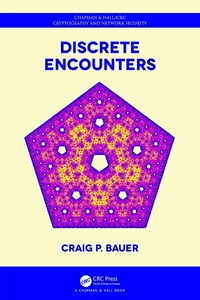
Discrete Encounters
1st Edition
Published on 14. May 2020
732 pages
978-0-429-68288-9 (ISBN)
Description

Eschewing the often standard dry and static writing style of traditional textbooks, Discrete Encounters provides a refreshing approach to discrete mathematics. The author blends traditional course topics and applications with historical context, pop culture references, and open problems. This book focuses on the historical development of the subject and provides fascinating details of the people behind the mathematics, along with their motivations, deepening readers' appreciation of mathematics.
This unique book covers many of the same topics found in traditional textbooks, but does so in an alternative, entertaining style that better captures readers' attention. In addition to standard discrete mathematics material, the author shows the interplay between the discrete and the continuous and includes high-interest topics such as fractals, chaos theory, cellular automata, money-saving financial mathematics, and much more. Not only will readers gain a greater understanding of mathematics and its culture, they will also be encouraged to further explore the subject. Long lists of references at the end of each chapter make this easy.
Highlights:
Features fascinating historical context to motivate readers
Text includes numerous pop culture references throughout to provide a more engaging reading experience
Its unique topic structure presents a fresh approach
The text's narrative style is that of a popular book, not a dry textbook
Includes the work of many living mathematicians
Its multidisciplinary approach makes it ideal for liberal arts mathematics classes, leisure reading, or as a reference for professors looking to supplement traditional courses
Contains many open problems
Profusely illustrated
This unique book covers many of the same topics found in traditional textbooks, but does so in an alternative, entertaining style that better captures readers' attention. In addition to standard discrete mathematics material, the author shows the interplay between the discrete and the continuous and includes high-interest topics such as fractals, chaos theory, cellular automata, money-saving financial mathematics, and much more. Not only will readers gain a greater understanding of mathematics and its culture, they will also be encouraged to further explore the subject. Long lists of references at the end of each chapter make this easy.
Highlights:
Features fascinating historical context to motivate readers
Text includes numerous pop culture references throughout to provide a more engaging reading experience
Its unique topic structure presents a fresh approach
The text's narrative style is that of a popular book, not a dry textbook
Includes the work of many living mathematicians
Its multidisciplinary approach makes it ideal for liberal arts mathematics classes, leisure reading, or as a reference for professors looking to supplement traditional courses
Contains many open problems
Profusely illustrated
More details
Series
Edition
1. Auflage
Language
English
Place of publication
London
United Kingdom
Publishing group
Taylor & Francis Ltd
Target group
College/higher education
Product notice
Reflowable
Illustrations
3 Tables, black and white; 148 Illustrations, color; 270 Illustrations, black and white
ISBN-13
978-0-429-68288-9 (9780429682889)
Copyright in bibliographic data and cover images is held by Nielsen Book Services Limited or by the publishers or by their respective licensors: all rights reserved.
Schweitzer Classification
Other editions
Additional editions
Craig Bauer
Discrete Encounters
Book
01/2023
1st Edition
Chapman & Hall/CRC
€81.95
Shipment within 10-20 days
Book
05/2020
1st Edition
Chapman & Hall/CRC
€223.04
Shipment within 15-20 days
Person
Craig P. Bauer is a professor of mathematics at York College of Pennsylvania. He's the
editor-in-chief of Cryptologia and was the 2011-2012 Scholar-in-Residence at the National
Security Agency's Center for Cryptologic History. He loves to carry out research, write,
and lecture. His previous books are Secret History: The Story of Cryptology and Unsolved!
The History and Mystery of the World's Greatest Ciphers from Ancient Egypt to Online Secret
Societies. With the present book he stays true to his style, blending mathematics and
history. Craig earned his Ph.D. in mathematics from North Carolina State University
and did his undergraduate work at Franklin & Marshall College.
editor-in-chief of Cryptologia and was the 2011-2012 Scholar-in-Residence at the National
Security Agency's Center for Cryptologic History. He loves to carry out research, write,
and lecture. His previous books are Secret History: The Story of Cryptology and Unsolved!
The History and Mystery of the World's Greatest Ciphers from Ancient Egypt to Online Secret
Societies. With the present book he stays true to his style, blending mathematics and
history. Craig earned his Ph.D. in mathematics from North Carolina State University
and did his undergraduate work at Franklin & Marshall College.
Content
Contents
Acknowledgments . . . . . . . . . . . . . . . . . . . . . . . . . . . . . . . . . . . . . . . . . . . . . . . . . . . . . . . . . . . ix
Introduction. . . . . . . . . . . . . . . . . . . . . . . . . . . . . . . . . . . . . . . . . . . . . . . . . . . . . . . . . . . . . . . . . xi
Author . . . . . . . . . . . . . . . . . . . . . . . . . . . . . . . . . . . . . . . . . . . . . . . . . . . . . . . . . . . . . . . . . . . . xiii
0. Continuous vs. Discrete. . . . . . . . . . . . . . . . . . . . . . . . . . . . . . . . . . . . . . . . . . . . . . . . . . . .1
1. Logic . . . . . . . . . . . . . . . . . . . . . . . . . . . . . . . . . . . . . . . . . . . . . . . . . . . . . . . . . . . . . . . . . . .21
2. Proof Techniques . . . . . . . . . . . . . . . . . . . . . . . . . . . . . . . . . . . . . . . . . . . . . . . . . . . . . . . .53
3. Practice with Proofs . . . . . . . . . . . . . . . . . . . . . . . . . . . . . . . . . . . . . . . . . . . . . . . . . . . . . .85
4. Set Theory . . . . . . . . . . . . . . . . . . . . . . . . . . . . . . . . . . . . . . . . . . . . . . . . . . . . . . . . . . . . .101
5. Venn Diagrams . . . . . . . . . . . . . . . . . . . . . . . . . . . . . . . . . . . . . . . . . . . . . . . . . . . . . . . . .135
6. The Functional View of Mathematics. . . . . . . . . . . . . . . . . . . . . . . . . . . . . . . . . . . . . .159
7. The Multiplication Principle . . . . . . . . . . . . . . . . . . . . . . . . . . . . . . . . . . . . . . . . . . . . .177
8. Permutations . . . . . . . . . . . . . . . . . . . . . . . . . . . . . . . . . . . . . . . . . . . . . . . . . . . . . . . . . . .197
9. Combinations . . . . . . . . . . . . . . . . . . . . . . . . . . . . . . . . . . . . . . . . . . . . . . . . . . . . . . . . . .219
10. Pascal and the Arithmetic Triangle . . . . . . . . . . . . . . . . . . . . . . . . . . . . . . . . . . . . . . . .243
11. Stirling and Bell Numbers . . . . . . . . . . . . . . . . . . . . . . . . . . . . . . . . . . . . . . . . . . . . . . .277
12. The Basics of Probability . . . . . . . . . . . . . . . . . . . . . . . . . . . . . . . . . . . . . . . . . . . . . . . .301
13. The Fibonacci Sequence . . . . . . . . . . . . . . . . . . . . . . . . . . . . . . . . . . . . . . . . . . . . . . . . .327
14. The Tower of Hanoi . . . . . . . . . . . . . . . . . . . . . . . . . . . . . . . . . . . . . . . . . . . . . . . . . . . . .357
15. Population Models . . . . . . . . . . . . . . . . . . . . . . . . . . . . . . . . . . . . . . . . . . . . . . . . . . . . . .385
16. Financial Mathematics (and More) . . . . . . . . . . . . . . . . . . . . . . . . . . . . . . . . . . . . . . . .405
17. More Difference Equations. . . . . . . . . . . . . . . . . . . . . . . . . . . . . . . . . . . . . . . . . . . . . . .427
18. Chaos Theory and Fractals . . . . . . . . . . . . . . . . . . . . . . . . . . . . . . . . . . . . . . . . . . . . . . .453
19. Cellular Automata . . . . . . . . . . . . . . . . . . . . . . . . . . . . . . . . . . . . . . . . . . . . . . . . . . . . . .515
20. Graph Theory . . . . . . . . . . . . . . . . . . . . . . . . . . . . . . . . . . . . . . . . . . . . . . . . . . . . . . . . . .571
21. Trees . . . . . . . . . . . . . . . . . . . . . . . . . . . . . . . . . . . . . . . . . . . . . . . . . . . . . . . . . . . . . . . . . .641
22. Relations, Partial Orderings, and Partitions . . . . . . . . . . . . . . . . . . . . . . . . . . . . . . . .663
Index . . . . . . . . . . . . . . . . . . . . . . . . . . . . . . . . . . . . . . . . . . . . . . . . . . . . . . . . . . . . . . . . . . . . .691
Acknowledgments . . . . . . . . . . . . . . . . . . . . . . . . . . . . . . . . . . . . . . . . . . . . . . . . . . . . . . . . . . . ix
Introduction. . . . . . . . . . . . . . . . . . . . . . . . . . . . . . . . . . . . . . . . . . . . . . . . . . . . . . . . . . . . . . . . . xi
Author . . . . . . . . . . . . . . . . . . . . . . . . . . . . . . . . . . . . . . . . . . . . . . . . . . . . . . . . . . . . . . . . . . . . xiii
0. Continuous vs. Discrete. . . . . . . . . . . . . . . . . . . . . . . . . . . . . . . . . . . . . . . . . . . . . . . . . . . .1
1. Logic . . . . . . . . . . . . . . . . . . . . . . . . . . . . . . . . . . . . . . . . . . . . . . . . . . . . . . . . . . . . . . . . . . .21
2. Proof Techniques . . . . . . . . . . . . . . . . . . . . . . . . . . . . . . . . . . . . . . . . . . . . . . . . . . . . . . . .53
3. Practice with Proofs . . . . . . . . . . . . . . . . . . . . . . . . . . . . . . . . . . . . . . . . . . . . . . . . . . . . . .85
4. Set Theory . . . . . . . . . . . . . . . . . . . . . . . . . . . . . . . . . . . . . . . . . . . . . . . . . . . . . . . . . . . . .101
5. Venn Diagrams . . . . . . . . . . . . . . . . . . . . . . . . . . . . . . . . . . . . . . . . . . . . . . . . . . . . . . . . .135
6. The Functional View of Mathematics. . . . . . . . . . . . . . . . . . . . . . . . . . . . . . . . . . . . . .159
7. The Multiplication Principle . . . . . . . . . . . . . . . . . . . . . . . . . . . . . . . . . . . . . . . . . . . . .177
8. Permutations . . . . . . . . . . . . . . . . . . . . . . . . . . . . . . . . . . . . . . . . . . . . . . . . . . . . . . . . . . .197
9. Combinations . . . . . . . . . . . . . . . . . . . . . . . . . . . . . . . . . . . . . . . . . . . . . . . . . . . . . . . . . .219
10. Pascal and the Arithmetic Triangle . . . . . . . . . . . . . . . . . . . . . . . . . . . . . . . . . . . . . . . .243
11. Stirling and Bell Numbers . . . . . . . . . . . . . . . . . . . . . . . . . . . . . . . . . . . . . . . . . . . . . . .277
12. The Basics of Probability . . . . . . . . . . . . . . . . . . . . . . . . . . . . . . . . . . . . . . . . . . . . . . . .301
13. The Fibonacci Sequence . . . . . . . . . . . . . . . . . . . . . . . . . . . . . . . . . . . . . . . . . . . . . . . . .327
14. The Tower of Hanoi . . . . . . . . . . . . . . . . . . . . . . . . . . . . . . . . . . . . . . . . . . . . . . . . . . . . .357
15. Population Models . . . . . . . . . . . . . . . . . . . . . . . . . . . . . . . . . . . . . . . . . . . . . . . . . . . . . .385
16. Financial Mathematics (and More) . . . . . . . . . . . . . . . . . . . . . . . . . . . . . . . . . . . . . . . .405
17. More Difference Equations. . . . . . . . . . . . . . . . . . . . . . . . . . . . . . . . . . . . . . . . . . . . . . .427
18. Chaos Theory and Fractals . . . . . . . . . . . . . . . . . . . . . . . . . . . . . . . . . . . . . . . . . . . . . . .453
19. Cellular Automata . . . . . . . . . . . . . . . . . . . . . . . . . . . . . . . . . . . . . . . . . . . . . . . . . . . . . .515
20. Graph Theory . . . . . . . . . . . . . . . . . . . . . . . . . . . . . . . . . . . . . . . . . . . . . . . . . . . . . . . . . .571
21. Trees . . . . . . . . . . . . . . . . . . . . . . . . . . . . . . . . . . . . . . . . . . . . . . . . . . . . . . . . . . . . . . . . . .641
22. Relations, Partial Orderings, and Partitions . . . . . . . . . . . . . . . . . . . . . . . . . . . . . . . .663
Index . . . . . . . . . . . . . . . . . . . . . . . . . . . . . . . . . . . . . . . . . . . . . . . . . . . . . . . . . . . . . . . . . . . . .691
