

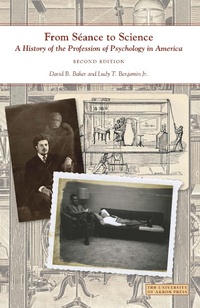
From Seance to Science
Description

This book is intended to round out the picture of American psychology's past, adding the history of psychological practice to the story of psychological science. Written by two well-recognized authorities in the field, this book covers the profession and practice of psychology in America from the late 19th century to the present. From Séance to Science tells the story of psychologists who sought and seek to apply the knowledge of their science to the practical problems of the world, whether those problems lay in businesses, schools, families, or in the thoughts and emotions, and behaviors of individuals. Engagingly written and full of interesting examples, this book includes figures and photos from the Archives of the History of American Psychology. This is the story of individuals, trained in psychology, who function as school psychologists, counseling psychologists, clinical psychologists, and industrial psychologists. These are psychology's practitioners, meaning that they take the knowledge base of psychology and use it for practical purposes outside of the classroom and outside of the laboratory.
More details
Other editions
Additional editions
Content
- Cover
- Copyright
- Dedication
- Contents
- Preface to the Second Edition
- Preface to the First Edition
- Chapter 1: The Beginnings of Psychological Practice
- Having Your Head Examined: Phrenology
- It's All in the Face: Physiognomy
- Criminal Physiognomy
- Physiognomy in Vocational Guidance and the Workplace
- Psychology's Other Occult Doubles
- Mesmerism
- Spiritualism
- Mental Healing
- The New Psychology
- Selling the New Psychology
- Child Study
- Counseling Psychology
- School and Clinical Psychology
- Psychology and Business
- Conclusion
- Chapter 2: Clinical Psychology
- Mental Asylums
- Clinical Research by Psychologists in the 1890s
- Lightner Witmer's Call for a Clinical Psychology
- Intelligence Testing
- The Early Clinical Psychologists
- Influences on Clinical Psychology at the Turn of the Century
- Freud's Visit and Psychoanalysis in America
- Clifford Beers and the Mental Hygiene Movement
- Morton Prince and Clinical Psychology
- Elwood Worcester and the Emmanuel Movement
- Clinical Psychology: Organization, Certification
- An Outbreak of Psychology: The 1920s
- An Organization for Professional Psychology
- Between the Wars: The Rise of Clinical Assessment
- Shell Shock Cases
- Early Personality Testing
- Projective Personality Testing
- The Minnesota Multiphasic Personality Inventory (MMPI)
- World War II and Clinical Psychology
- Clinical Psychology and the Scientist-Practitioner Model
- Psychologists and Psychotherapy
- Models of Psychotherapy
- Behavioral Therapies
- Cognitive Therapies
- Humanistic Therapies
- Further Evidence of a Profession
- Licensure for Professional Psychologists
- Professional Ethics
- Professional Journals
- Professional Psychologists and the APA
- Professional Schools of Psychology
- Clinical Psychology in the 1960s
- Community Mental Health Centers
- Independent Practice
- Conclusion
- Chapter 3: School Psychology
- Education and Democracy
- Child Development and the Legacy of G. Stanley Hall
- Estimating IQs
- Arnold Gesell: The First School Psychologist
- Individual Case Study and the Legacy of Lightner Witmer
- New Work in Applied Psychology
- Special Education and School Psychology
- Psychology in the Schools
- Organization and Identity
- Recognition
- School Psychology at Midcentury
- The National Institute of Mental Health and School Psychology
- The Thayer Conference
- Expansion
- Back to the Future
- The National Association of School Psychologists
- NASP and Division 16
- Conclusion
- Chapter 4: Industrial/Organizational Psychology
- The Salience of the Workplace
- The New Psychology and the Business of Advertising
- Scott and the Power of Suggestion
- Harry Hollingworth and the Effectiveness of Advertising
- Watson's Behavioristic Approach to Advertising
- Hugo Münsterberg and the "Founding" of Industrial Psychology
- Carnegie Tech's Division of Applied Psychology
- The Bureau of Salesmanship Research
- The End of the Division of Applied Psychology
- The One Right Way: Scientific Management
- Problems with Scientific Management
- Workers Are Not Machines
- World War I and Its Aftermath
- Personnel Psychology in the 1920s
- Journal of Applied Psychology
- Psychological Consulting Firms
- Establishing Scientific Legitimacy
- Industrial Psychology Monthly
- Steady Growth
- The Great Depression and the Beginnings of Organizational Psychology
- The Hawthorne Studies
- Attitudes, Leadership, and Worker Satisfaction
- Organizing Industrial Psychologists
- World War II and Its Aftermath
- Human Factors Psychology
- Personnel Psychology After the War
- The Evolution of Graduate Training
- Organizational Psychology Comes of Age
- Lewin's Continuing Influence
- Industrial Strife
- Contemporary I/O Psychology
- Contemporary Personnel Issues
- Training
- Organizational Psychology
- Organizational Development
- Organizational Climate
- Conclusion
- Chapter 5: Counseling Psychology
- A Context for Counseling Psychology
- A More Perfect Union
- Seeking Guidance
- The Work of Frank Parsons
- The Expansion of Guidance
- Education and Psychology
- Vocational Psychology
- Testing and the Times
- Civilian Applications
- Testing and the Great Depression
- The Emergence of Counseling Psychology
- Preludes to Boulder
- The Meaning of Boulder
- Constructing Counseling Psychology
- A Model of Training
- Influences on Identity
- The Question of Identity
- Consolidation
- Recent Developments
- Organizational Structure
- Social Action
- Conclusion
- Chapter 6: The Psychological Profession in the 21st Century
- Managed Care
- Cost and Service Containment
- Ethics
- Impacts
- Responses to Managed Care
- Prescription Privileges for Psychologists
- Opposition to Prescription Privileges
- Clinical Trials for Psychologists
- Proponents for Prescription Privileges
- New Practice Specialties
- Forensic Psychology
- Münsterberg and the Psychology of the Courtroom
- Contemporary Forensic Psychology
- Clients for Forensic Psychology
- The Psychological Autopsy
- Growth of Forensic Psychology
- Sport Psychology
- Coleman Griffith: Pioneer in Sport Psychology
- Modern Practice of Sport Psychology
- The Work of Sport Psychologists
- Health Psychology
- The Practice of Health Psychologists
- Interventions
- Health Psychology in Hospitals
- Science and the Practice of Psychology
- Contemporary Concerns About Professional Schools of Psychology
- The "Myth" of Professional Psychology
- Doing and Applying Research
- Practice Guidelines
- Conflict Over Guidelines
- The Future of the Profession
- Growth in Health Psychology
- Growth in Psychological Services to Minorities
- Changing Roles for Psychologists
- A Final Comment
- Notes
- Image Credits
- Index
