

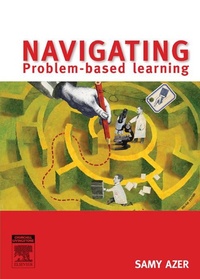
Navigating Problem Based Learning
Published on 1. November 2007
200 pages
978-0-7295-7827-1 (ISBN)
Description

This title is directed primarily towards health care professionals outside of the United States. Many medical and health professional schools have replaced their traditional curriculum with problem based learning, or a derivative. This book is designed to provide a comprehensive guide and resource for students in the early years of these courses, and will assist them to adapt their learning style to working with others in small groups. The book explains the differences between PBL and traditional learning, the aims and essential elements of PBL, and provides the keys for successful group discussion. Students are shown how to define the learning issues and how to construct their own mechanisms for each case they study, before moving on to the aims and tools commonly used in assessment, and tips for increasing scores in examinations. The book will also assist tutors to design cases.
- Examples of PBL cases, assessment questions, mechanisms and flow diagrams
- Keys for successful group discussion, tips for self-directed learning and for passing examinations.
- Instruction for using reflective journals and other resources.
More details
Other editions
Additional editions
Samy Azer
Navigating Problem Based Learning
Book
11/2007
Churchill Livingstone
€53.00
Shipment within 15-20 days
Content
ForewordPrefaceAbout This BookWhy Did I write This Book?Who Should Read This Book?How This Book Is OrganizedPART I Introduction to Problem-Based Learning1. Problem-Based Learning OverviewWhy Do We Do Problem-Based Learning?How Is Problem-Based Learning Different from What I Used to Do?Defining Problem-Based LearningWhat Are the Aims of Problem-Based Learning?What Are the Roles of Tutors in Problem-Based Learning?2. Problem-Based Learning CasesEssential Elements in a Problem-Based Learning CaseEducational Tasks in Problem-Based Learning TemplatesWhat Makes a Good Problem-Based Learning Case?3. Problem-Based Learning TutorialsSteps in Problem-Based Learning TutorialsStudent-Centered Approach and Collaborative LearningQualities of a Successful GroupKeys for Successful Group DiscussionAction Verbs and Group DynamicsTypical Problems in Problem-Based Learning TutorialsPART II How to Foster Your Study Skills in a Problem-Based Learning Course?4. Self-Directed Learning What Does Self-Directed Learning Mean?Self-Directed Learning vs Spoon Feeding ApproachSelf-Directed Learning and Problem-Based Learning CurriculumResearch and Self-Directed Learning5. Learning IssuesIntroductionDefining the Learning Issues of a Problem-Based Learning CourseApproaches for Collection of InformationConstruction of Information6. Construction of Mechanisms and Flow DiagramsIntroductionBackward versus Forward MechanismsUses of Mechanisms in Tutorial 1 and Tutorial 2Use of Mechanisms and Flow Diagrams in AssessmentKeys for Successful Writing of Mechanisms7. Effective Use of RecoursesIntroductionResources Used in Problem-Based Learning CoursesSearching For Scientific Reviews Effective Use of Medical DictionariesEffective Use of TextbooksEffective use of Online Resources and Computer-Aided Learning Programs8. Keys to Foster Your Study SkillsBecoming OrganizedFirst Things FirstDiscover the Power of Self-MotivationEnhance Your ConcentrationMonitor Your ProgressAsk For Help When NeededAsk For FeedbackLearn How to Manage Your Stress9. Portfolio and Reflective JournalsWhat is a portfolio?Use of a Portfolio in a Problem-Based Learning CurriculumUse of Reflective Journals to Foster Your SkillsPART III Assessment in Problem-Based Learning10. Assessment OverviewAims of AssessmentFormative versus Summative AssessmentTools Used in Assessment in Problem-Based Learning Courses11. Passing Examinations in a Problem-Based LearningCourseIntroductionRevision before ExaminationsCommon Mistakes in the Way Students Answers Written ExaminationsTips for SuccessPART IV Becoming a Medical/Health Professional Student: Keys for Success12. Success Is a JourneyIntroductionSuccess is Not a DestinationBelieving In Your Abilities to Succeed Turning Your Dreams into Reality13. Attitudes That Foster Your SuccessGet Rid of Your PrideCultivate Constructive DiscontentEscape from HabitsSow Seeds that Benefit Others14. Growth is a ChangeConcentrate on One Goal at a TimeConcentrate on Continual ImprovementLearn How to Deal With StressAPPENDIX A. Examples of a PBL CaseAPPENDIX B. Examples of MechanismsAPPENDIX C. Examples of PBL Questions
