

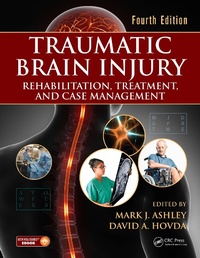
Traumatic Brain Injury
Rehabilitation, Treatment, and Case Management, Fourth Edition
4th Edition
Published on 28. July 2017
796 pages
978-1-315-35417-0 (ISBN)
Description

The fourth edition of this text constitutes a continuation of 20 years of coverage of traumatic brain injury, and broadens the discussion of acquired brain injury. Within TBI, the paradigm shift from an injury occurring at a point in time to a disease entity of a chronic nature is changing the discussion of diagnosis, management, treatment and outcome assessment. Disease specification that differentiates TBIs by the mechanism of injury, the exact nature of the injury, the extent of injury, presence of co-morbidities and their exact nature, gender, age, race, and genome are emerging as crucial. Disease differentiation has impacted diagnosis, treatment and outcome.
More details
Edition
4th edition
Language
English
Place of publication
London
United Kingdom
Publishing group
Taylor & Francis Ltd
Target group
Professional and scholarly
Product notice
Reflowable
Illustrations
110 Illustrations, black and white
File size
6,87 MB
ISBN-13
978-1-315-35417-0 (9781315354170)
Copyright in bibliographic data and cover images is held by Nielsen Book Services Limited or by the publishers or by their respective licensors: all rights reserved.
Schweitzer Classification
Other editions
Additional editions
Mark J. Ashley | David A. Hovda
Traumatic Brain Injury
Rehabilitation, Treatment, and Case Management, Fourth Edition
Book
08/2017
4th Edition
CRC Press
€297.12
Shipment within 15-20 days
Previous edition
Robert P. Granacher Jr. | Daryl B. Lund
Traumatic Brain Injury
Methods for Clinical and Forensic Neuropsychiatric Assessment,Third Edition
E-Book
03/2015
3rd Edition
CRC Press
€244.99
Available for download
Persons
Dr. Mark J. Ashley is founder and president/CEO of Centre for Neuro Skills (CNS), which has operated postacute brain injury rehabilitation programs in Bakersfield, Los Angeles, Dallas, Fort Worth, and San Francisco since 1980. In 2011, Dr. Ashley participated in the Blue Ribbon Panel on Traumatic Brain Injury and Post-Traumatic Stress convened by Generals Peter W. Chiarelli and Joseph Dunford, and he established the CNS Clinical Research and Education Foundation, a nonprofit research organization. He serves on the board of directors of the Brain Injury Association of America (BIAA) and holds several positions in that organization, including chairman emeritus, chair of the fund development committee, and member of the Business and Professional Council. Dr. Ashley also serves on the board of directors of the California Brain Injury Association and is chairman emeritus. He is an adjunct professor at the Rehabilitation Institute of the College of Education at Southern Illinois University and a member of the advisory board of the Center for Applied Neuroscience, University of Cyprus. Dr. Ashley received his master's degree in speech pathology and a doctorate of science from Southern Illinois University in Carbondale, Illinois. He is a licensed speech-language pathologist in California and Texas and is a certified case manager.
Dr. David A. Hovda is the director of the UCLA Brain Injury Research Center, which was created in 1990. It incorporates teaching, research, patient care, and service for patients suffering from traumatic brain injury. Dr. Hovda has received a number of awards for his research on brain injury and recovery of function, including the "Strength of the Nation Award" from the United States Army in 2011. This is the highest civilian award given by the Secretary of the Army in recognition of Dr. Hovda's efforts to help treat military personnel suffering from mild traumatic brain injury returning from theater. In addition, Dr. Hovda received the Alumni Association's James F. Zimmerman Award from the University of New Mexico in 2012 for his research accomplishments recognized in the field of traumatic brain injury. Dr. Hovda is most well known internationally for his translational work on the pathobiology of traumatic brain injury and has devoted most of his career to understanding the mechanisms of recovery of function. Dr. Hovda continues to serve as a consultant for professional sport organizations as well as the Department of Defense, addressing issues related to traumatic brain injury and recovery of function. Dr. Hovda is a professor of neurosurgery and of molecular and medical pharmacology at the David Geffen School of Medicine at UCLA. He received his doctoral degree under the supervision of Dr. Dennis M. Feeney in the field of Physiological Psychology at the University of New Mexico. He completed his postdoctoral training in neurophysiology under Dr. Jamie Villablanca at UCLA.
Dr. David A. Hovda is the director of the UCLA Brain Injury Research Center, which was created in 1990. It incorporates teaching, research, patient care, and service for patients suffering from traumatic brain injury. Dr. Hovda has received a number of awards for his research on brain injury and recovery of function, including the "Strength of the Nation Award" from the United States Army in 2011. This is the highest civilian award given by the Secretary of the Army in recognition of Dr. Hovda's efforts to help treat military personnel suffering from mild traumatic brain injury returning from theater. In addition, Dr. Hovda received the Alumni Association's James F. Zimmerman Award from the University of New Mexico in 2012 for his research accomplishments recognized in the field of traumatic brain injury. Dr. Hovda is most well known internationally for his translational work on the pathobiology of traumatic brain injury and has devoted most of his career to understanding the mechanisms of recovery of function. Dr. Hovda continues to serve as a consultant for professional sport organizations as well as the Department of Defense, addressing issues related to traumatic brain injury and recovery of function. Dr. Hovda is a professor of neurosurgery and of molecular and medical pharmacology at the David Geffen School of Medicine at UCLA. He received his doctoral degree under the supervision of Dr. Dennis M. Feeney in the field of Physiological Psychology at the University of New Mexico. He completed his postdoctoral training in neurophysiology under Dr. Jamie Villablanca at UCLA.
Content
4th EDITION TABLE OF CONTENTS
NEUROSCIENCE
Bioscience Indications for Chronic Disease Management and Neuromedical Interventions Following Traumatic Brain Injury
- Mark J. Ashley, Grace S. Griesbach, David L. Ripley, Matthew J. Ashley
The Neurobiology of Traumatic Brain Injury
- Thomas C. Glen, Richard L. Sutton and David A. Hovda
Repeat Traumatic Brain Injury Models
- Mayumi Prins
Neuroplasticity and Rehabilitation Therapy
- Robert P. Lehr
Environment Enrichment: A Preclinical Model of Neurorehabilitation for Traumatic Brain Injury
- Corina O. Bondi & Anthony E. Kline
Neuroanatomy of Basic Cognitive Function
- Mark J. Ashley, Jessica G. Ashley & Matthew J. Ashley
TBI Rehabilitation: Lessons Learned from Animal Studies about Mechanisms, Timing and Combinatorial Approaches
- Dorothy A. Kozlowski
Diet and Exercise Interventions to Promote Metabolic Homeostasis in TBI Pathology
- Fernando Gomez-Pinilla
Disruptions in Physical Substrates of Vision Following Traumatic Brain Injury
- Richard E. Helvie
Potential Utility of Resting State fMRI-Determined Functional Connectivity to Guide Neurorehabilitation
- Neil G. Harris and Jessica G. Ashley
TBI and Sensory Sensitivity: Translational Opportunities
- Timothy W. Ellis and Jonathan Lifshitz
The Neuroimaging Challenges in Hemispherectomy Patients
- Zachary Jacokes, Avnish Bhattrai, Carinna Torgerson, Andrew Zywiec, Sumiko Abe, Andrei Irimia, Meng Law, Saman Hazany, and John Darrell Van Horn
MEDICAL
Clinical Management of the Minimally Conscious State
- Yelena G. Bodien, Sabrina R. Taylor, and Joseph T. Giacino
Neuropharmacologic Considerations in the Treatment of Vegetative State and Minimally Conscious State Following Brain Injury
- Deborah L. Doherty
Clinical Management of Pituitary Dysfunction After Traumatic Brain Injury - Adam H. Maghrabi, Brent E. Masel, Randall J. Urban, and David L. Ripley
Neurotransmitters and Pharmacology
- Ronald A. Browning and Richard W. Clough
Pituitary Dysfunction After Traumatic Brain Injury - Tiffany Greco
Increasing Physiologic Readiness to Improve Functional Independence Following Neurotrauma
-Gregory J. O'Shanick and Ryan McQueen
Assessment and Management of Mild Traumatic Brain Injury
- Mark J. Ashley, Matthew J. Ashley
Chronic Traumatic Encephalopathy (CTE)
- Anne C. McKee
Posttraumatic Epilepsy and Neurorehabilitation
- Theresa D. Hernandez, Sudha S. Tallavajhula, Kristina Legget, and Paul M. Levisohn
THERAPY
Evaluation of Traumatic Brain Injury Following Acute Rehabilitation
- Mark J. Ashley
Neuropsychology following Brain Injury: A Pragmatic Approach to Outcomes, Treatment, and Applications- James J. Mahoney, III
Neuropsychological Interventions Following Traumatic Brain Injury
- Jason W. Krellman, TheodoreTsaousides, and Wayne A. Gordon
The Use of Applied Behavioral Analysis in Traumatic Brain Injury Rehabilitation
- Craig S. Persel and Chris H. Persel
Rehabilitation and Management of Visual Dysfunction Following Traumatic Brain Injury
- Penelope S. Suter
Remediative Approaches for Cognitive Disorders After TBI
- Mark J. Ashley, Rose Leal, Zenobia Mehta, Jessica G. Ashley, Matthew J. Ashley
Principles of Cognitive Rehabilitation in TBI: An Integrative Neuroscience Approach
- Fofi Constantinidou and Robin D. Thomas
Management of Residual Physical Deficits
- Velda L. Bryan, David W. Harrington, Michael G. Elliott
Undertaking Vocational Rehabilitation in TBI Rehabilitation
- Mark J. Ashley, Joe Ninomiya, Jr., Amy Berryman, Karen Rasavage
CASE MANAGEMENT
The Contribution of Neuropsychological Evaluation to Traumatic Brain Injury Rehabilitation
- Jay M. Uomoto
Neurobehavioral Consequences of Mild Traumatic Brain Injury in Military Service Members and Veterans
- Jay M. Uomoto, Sarah M. Wilson, Rhonda M. Williams, and Leigh A. Randa
Issues in Aging Following Traumatic Brain Injury
- Grace S. Griesbach, Mark J. Ashley, Alan Weintraub
Children and Adolescents: Practical Strategies for School Participation and Transition
- Roberta DePompei and Janet Siantz Tyler
Long-Term Discharge Planning in Traumatic Brain Injury Rehabilitation
- Mark J. Ashley and Susan M. Ashley
Patients' Rights and Responsibilities, Health Care Reform and Telehealth: Ethical Considerations
- Thomas R. Kerkhoff and Stephanie L. Hanson
NEUROSCIENCE
Bioscience Indications for Chronic Disease Management and Neuromedical Interventions Following Traumatic Brain Injury
- Mark J. Ashley, Grace S. Griesbach, David L. Ripley, Matthew J. Ashley
The Neurobiology of Traumatic Brain Injury
- Thomas C. Glen, Richard L. Sutton and David A. Hovda
Repeat Traumatic Brain Injury Models
- Mayumi Prins
Neuroplasticity and Rehabilitation Therapy
- Robert P. Lehr
Environment Enrichment: A Preclinical Model of Neurorehabilitation for Traumatic Brain Injury
- Corina O. Bondi & Anthony E. Kline
Neuroanatomy of Basic Cognitive Function
- Mark J. Ashley, Jessica G. Ashley & Matthew J. Ashley
TBI Rehabilitation: Lessons Learned from Animal Studies about Mechanisms, Timing and Combinatorial Approaches
- Dorothy A. Kozlowski
Diet and Exercise Interventions to Promote Metabolic Homeostasis in TBI Pathology
- Fernando Gomez-Pinilla
Disruptions in Physical Substrates of Vision Following Traumatic Brain Injury
- Richard E. Helvie
Potential Utility of Resting State fMRI-Determined Functional Connectivity to Guide Neurorehabilitation
- Neil G. Harris and Jessica G. Ashley
TBI and Sensory Sensitivity: Translational Opportunities
- Timothy W. Ellis and Jonathan Lifshitz
The Neuroimaging Challenges in Hemispherectomy Patients
- Zachary Jacokes, Avnish Bhattrai, Carinna Torgerson, Andrew Zywiec, Sumiko Abe, Andrei Irimia, Meng Law, Saman Hazany, and John Darrell Van Horn
MEDICAL
Clinical Management of the Minimally Conscious State
- Yelena G. Bodien, Sabrina R. Taylor, and Joseph T. Giacino
Neuropharmacologic Considerations in the Treatment of Vegetative State and Minimally Conscious State Following Brain Injury
- Deborah L. Doherty
Clinical Management of Pituitary Dysfunction After Traumatic Brain Injury - Adam H. Maghrabi, Brent E. Masel, Randall J. Urban, and David L. Ripley
Neurotransmitters and Pharmacology
- Ronald A. Browning and Richard W. Clough
Pituitary Dysfunction After Traumatic Brain Injury - Tiffany Greco
Increasing Physiologic Readiness to Improve Functional Independence Following Neurotrauma
-Gregory J. O'Shanick and Ryan McQueen
Assessment and Management of Mild Traumatic Brain Injury
- Mark J. Ashley, Matthew J. Ashley
Chronic Traumatic Encephalopathy (CTE)
- Anne C. McKee
Posttraumatic Epilepsy and Neurorehabilitation
- Theresa D. Hernandez, Sudha S. Tallavajhula, Kristina Legget, and Paul M. Levisohn
THERAPY
Evaluation of Traumatic Brain Injury Following Acute Rehabilitation
- Mark J. Ashley
Neuropsychology following Brain Injury: A Pragmatic Approach to Outcomes, Treatment, and Applications- James J. Mahoney, III
Neuropsychological Interventions Following Traumatic Brain Injury
- Jason W. Krellman, TheodoreTsaousides, and Wayne A. Gordon
The Use of Applied Behavioral Analysis in Traumatic Brain Injury Rehabilitation
- Craig S. Persel and Chris H. Persel
Rehabilitation and Management of Visual Dysfunction Following Traumatic Brain Injury
- Penelope S. Suter
Remediative Approaches for Cognitive Disorders After TBI
- Mark J. Ashley, Rose Leal, Zenobia Mehta, Jessica G. Ashley, Matthew J. Ashley
Principles of Cognitive Rehabilitation in TBI: An Integrative Neuroscience Approach
- Fofi Constantinidou and Robin D. Thomas
Management of Residual Physical Deficits
- Velda L. Bryan, David W. Harrington, Michael G. Elliott
Undertaking Vocational Rehabilitation in TBI Rehabilitation
- Mark J. Ashley, Joe Ninomiya, Jr., Amy Berryman, Karen Rasavage
CASE MANAGEMENT
The Contribution of Neuropsychological Evaluation to Traumatic Brain Injury Rehabilitation
- Jay M. Uomoto
Neurobehavioral Consequences of Mild Traumatic Brain Injury in Military Service Members and Veterans
- Jay M. Uomoto, Sarah M. Wilson, Rhonda M. Williams, and Leigh A. Randa
Issues in Aging Following Traumatic Brain Injury
- Grace S. Griesbach, Mark J. Ashley, Alan Weintraub
Children and Adolescents: Practical Strategies for School Participation and Transition
- Roberta DePompei and Janet Siantz Tyler
Long-Term Discharge Planning in Traumatic Brain Injury Rehabilitation
- Mark J. Ashley and Susan M. Ashley
Patients' Rights and Responsibilities, Health Care Reform and Telehealth: Ethical Considerations
- Thomas R. Kerkhoff and Stephanie L. Hanson
