

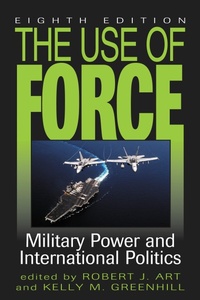
The Use of Force
Military Power and International Politics
8th Edition
Published on 9. July 2015
480 pages
979-8-8818-7773-6 (ISBN)
Description

The Use of Force, long considered a classic in its own right, brings together enduring, influential works on the role of military power in foreign policy and international politics. Now in its eighth edition, the reader has been significantly revised; with twenty innovative and up-to-date selections, this edition is 60 percent new. Meticulously chosen and edited by leading scholars Robert J. Art and Kelly M. Greenhill, the selections are grouped under three headings: theories, case studies, and contemporary issues. The first section includes essays that cover the security dilemma, terrorism, the sources of military doctrine, the nuclear revolution, and the fungibility of force. A new subsection of Part I also deals with ethical issues in the use of force. The second section includes case studies in the use of force that span the period from World War I through the war in Afghanistan. The final section considers issues concerning the projection of US military power; the rising power of China; the spread of biological and nuclear weapons and cyberwarfare; intervention in internal conflicts and insurgencies; and possible future developments in terrorism, nuclear abolition, and robotic warfare. Continuing the tradition of previous editions, this fully updated reader collects the best analysis by influential thinkers on the use of force in international affairs.
Contributions by: Bruce J. Allyn, Kenneth Anderson, Robert J. Art, Mark S. Bell, Richard K. Betts, Laurie R. Blank, James G. Blight, Stephen G. Brooks, Seyom Brown, Daniel Byman, Audrey Kurth Cronin, Patrick M. Cronin, Alexander B. Downes, Karl W. Eikenberry, John Lewis Gaddis, Erik Gartke, Alexander L. George, Avery Goldstein, Kelly M. Greenhill, G. John Ikenberry, Robert Jervis, Gregory Koblentz, Peter R. Mansoor, John J. Mearsheimer, Nicholas L. Miller, Louis C. Morton, Barry R. Posen, Louise Richardson, George B. Samson, Thomas C. Schelling, Jack L. Snyder, Paul Staniland, Barbara F. Walter, Kenneth N. Waltz, Matthew Waxman, David A. Welch, Jon Western, and William C. Wohlforth.
Contributions by: Bruce J. Allyn, Kenneth Anderson, Robert J. Art, Mark S. Bell, Richard K. Betts, Laurie R. Blank, James G. Blight, Stephen G. Brooks, Seyom Brown, Daniel Byman, Audrey Kurth Cronin, Patrick M. Cronin, Alexander B. Downes, Karl W. Eikenberry, John Lewis Gaddis, Erik Gartke, Alexander L. George, Avery Goldstein, Kelly M. Greenhill, G. John Ikenberry, Robert Jervis, Gregory Koblentz, Peter R. Mansoor, John J. Mearsheimer, Nicholas L. Miller, Louis C. Morton, Barry R. Posen, Louise Richardson, George B. Samson, Thomas C. Schelling, Jack L. Snyder, Paul Staniland, Barbara F. Walter, Kenneth N. Waltz, Matthew Waxman, David A. Welch, Jon Western, and William C. Wohlforth.
More details
Edition
8th edition
Language
English
Place of publication
United States
Publishing group
Bloomsbury Publishing Plc
Illustrations
4 b/w illustrations; 8 tables
ISBN-13
979-8-8818-7773-6 (9798881877736)
Copyright in bibliographic data and cover images is held by Nielsen Book Services Limited or by the publishers or by their respective licensors: all rights reserved.
Schweitzer Classification
Other editions
Additional editions
Book
07/2015
8th Edition
Rowman & Littlefield
€112.84
Shipment within 10-20 days
Persons
Robert J. Art is professor of international relations at Brandeis University.
Kelly M. Greenhill is associate professor of political science at Tufts University and research fellow at the Kennedy School of Government, Harvard University.
Kelly M. Greenhill is associate professor of political science at Tufts University and research fellow at the Kennedy School of Government, Harvard University.
Content
Preface
PART I STRATEGIC AND ETHICAL DIMENSIONS
How Force Is Used
1 The Fungibility of Force -Robert J. Art
2 Deterrence and Compellence -Thomas C. Schelling
3 The Sources of Military Doctrine -Barry R. Posen
4 Offense, Defense, and Cooperation under the Security Dilemma -Robert Jervis
How Force Should Be Used
5 The Just War Tradition Revisited -Seyom Brown
6 The Proportionality Principle in War -Laurie R. Blank
Forms of Coercion
7 Nuclear Myths and Political Realities -Kenneth N. Waltz
8 The Lost Logic of Deterrence -Richard K. Betts
9 Coercive Diplomacy -Alexander L. George
10 What Terrorists Want -Louise Richardson
11 Forced Migration as a Coercive Instrument -Kelly M. Greenhill
PART II CASE STUDIES
The Great Power Era
12 The Cult of the Offensive in 1914 -Jack L. Snyder
13 Hitler and the Blitzkrieg Strategy -John J. Mearsheimer
14 Japan's Fatal Blunder -Sir George Sansom
15 The Decision to Use the Atomic Bomb -Louis Morton
The Superpower Era
16 The Cuban Missile Crisis -David Welch, James G. Blight, and Bruce J. Allyn
17 Flexible Response and the Vietnam War -John Lewis Gaddis
The Unipolar Era
18 The U. S. and Coercive Diplomacy -Robert J. Art and Patrick M. Cronin
19 The Second Iraq War -Peter R. Mansoor
20 The Limits of Counterinsurgency Doctrine in Afghanistan -Karl W. Eikenberry
PART III CONTEMPORARY ISSUES
The Projection of American Military Power
21 The Strategy of Restraint -Barry R. Posen
22 The Strategy of Deep Engagement -Stephen G. Brooks, G. John Ikenberry, and William C. Wohlforth
23 Crisis Instability in US-China Relations -Avery Goldstein
24 Why Drones Work -Daniel Byman
The Utility of Nuclear, Biological, and Cyber Weapons
25 Nuclear Weapons and Conflict -Mark S. Bell and Nicholas L. Miller
26 Pathogens as Weapons -Gregory Koblenz
27 The Myth of Cyberwar -Erik Gartzke
Intervention in Internal Conflicts
28 Puttering with Primacy -Richard K. Betts
29 Humanitarian Intervention Comes of Age -Jon Western and Joshua A. Goldstein
30 Regime Change and Its Consequences -Alexander B. Downes
31 Ten Ways to Lose at Counterinsurgency -Kelly M. Greenhill and Paul Staniland
32 The Critical Barrier to Civil War Settlement -Barbara F. Walter
Possible Future Developments
33 The Decline and Demise of Terrorist Groups -Audrey Kurth Cronin
34 A World Without Nuclear Weapons? -Thomas C. Schelling
35 Law, Ethics, and Autonomous Weapons Systems -Kenneth Anderson and Matthew Waxman
Acknowledgments
Index
About the Contributors
PART I STRATEGIC AND ETHICAL DIMENSIONS
How Force Is Used
1 The Fungibility of Force -Robert J. Art
2 Deterrence and Compellence -Thomas C. Schelling
3 The Sources of Military Doctrine -Barry R. Posen
4 Offense, Defense, and Cooperation under the Security Dilemma -Robert Jervis
How Force Should Be Used
5 The Just War Tradition Revisited -Seyom Brown
6 The Proportionality Principle in War -Laurie R. Blank
Forms of Coercion
7 Nuclear Myths and Political Realities -Kenneth N. Waltz
8 The Lost Logic of Deterrence -Richard K. Betts
9 Coercive Diplomacy -Alexander L. George
10 What Terrorists Want -Louise Richardson
11 Forced Migration as a Coercive Instrument -Kelly M. Greenhill
PART II CASE STUDIES
The Great Power Era
12 The Cult of the Offensive in 1914 -Jack L. Snyder
13 Hitler and the Blitzkrieg Strategy -John J. Mearsheimer
14 Japan's Fatal Blunder -Sir George Sansom
15 The Decision to Use the Atomic Bomb -Louis Morton
The Superpower Era
16 The Cuban Missile Crisis -David Welch, James G. Blight, and Bruce J. Allyn
17 Flexible Response and the Vietnam War -John Lewis Gaddis
The Unipolar Era
18 The U. S. and Coercive Diplomacy -Robert J. Art and Patrick M. Cronin
19 The Second Iraq War -Peter R. Mansoor
20 The Limits of Counterinsurgency Doctrine in Afghanistan -Karl W. Eikenberry
PART III CONTEMPORARY ISSUES
The Projection of American Military Power
21 The Strategy of Restraint -Barry R. Posen
22 The Strategy of Deep Engagement -Stephen G. Brooks, G. John Ikenberry, and William C. Wohlforth
23 Crisis Instability in US-China Relations -Avery Goldstein
24 Why Drones Work -Daniel Byman
The Utility of Nuclear, Biological, and Cyber Weapons
25 Nuclear Weapons and Conflict -Mark S. Bell and Nicholas L. Miller
26 Pathogens as Weapons -Gregory Koblenz
27 The Myth of Cyberwar -Erik Gartzke
Intervention in Internal Conflicts
28 Puttering with Primacy -Richard K. Betts
29 Humanitarian Intervention Comes of Age -Jon Western and Joshua A. Goldstein
30 Regime Change and Its Consequences -Alexander B. Downes
31 Ten Ways to Lose at Counterinsurgency -Kelly M. Greenhill and Paul Staniland
32 The Critical Barrier to Civil War Settlement -Barbara F. Walter
Possible Future Developments
33 The Decline and Demise of Terrorist Groups -Audrey Kurth Cronin
34 A World Without Nuclear Weapons? -Thomas C. Schelling
35 Law, Ethics, and Autonomous Weapons Systems -Kenneth Anderson and Matthew Waxman
Acknowledgments
Index
About the Contributors
