

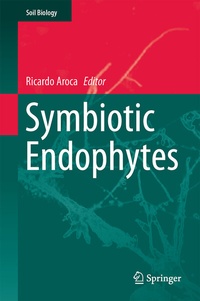
Symbiotic Endophytes
Description

This Soil Biology volume examines our current understanding of the mechanisms involved in the beneficial effects transferred to plants by endophytes such as rhizobial, actinorhizal, arbuscular mycorrhizal symbionts and yeasts.
Topics presented include how symbiosis starts on the molecular level; chemical signaling in mycorrhizal symbiosis; genomic and functional diversity of endophytes; nitrogen fixation; nutrient uptake and cycling; as well as plant protection against various stress conditions. Further, the use of beneficial microorganisms as biopesticides is discussed, particularly the application of Plant Growth Promoter Rhizobacteria (PGPR) in agriculture with the aim to increase yields.
Reviews / Votes
From the book reviews:
"This marvelous book titled 'Symbiotic Endophytes' consists of the most recent knowledge of plant endophytes, including their diversity as known to date. . It should be available in all school libraries, university libraries, research laboratories dealing with plant pathology. The detailed descriptions complement the researchers, mycologists, plant pathologists, molecular biologist, lecturers, teachers and graduate students. In fact this book will satisfy every individual who reads it." (Leela Maya Rizal and Paul G. Mungai, Fungal Diversity, December, 2014)More details
Other editions
Additional editions

Content
Journey to Nodule Formation: From Molecular Dialogue to Nitrogen Fixation.- A Roadmap Towards A Systems Biology Description Of Bacterial Nitrogen Fixation.- Carbon Metabolism During Symbiotic Nitrogen Fixation.- Genomic and functional diversity of the sinorhizobial model group.- Establishment of Actinorhizal symbioses.- Abiotic Factors Influencing Nitrogen-fixing Actinorhizal Symbioses.- Diversity of Frankia strains, actinobacterial symbionts of actinorhizal plants.- Abiotic stress tolerance induced by endophytic PGPR.- Fighting Plant Diseases Through the Application of Bacillus and Pseudomonas Strains.- Functional diversity of endophytic bacteria.- Chemical signalling in the arbuscular mycorrhizal symbiosis: biotechnological applications.- Carbon Metabolism and Costs of Arbuscular Mycorrhizal Associations to Host Roots.- Arbuscular Mycorrhizal Fungi and Uptake of Nutrients.- Arbuscular Mycorrhizal Fungi and the Tolerance of Plants to Drought and Salinity.- Root Allies: Arbuscular Mycorrhizal Fungi Help Plants to Cope with Biotic Stresses.- Fungal Endophytes in Plant Roots: Taxonomy, Colonization Patterns and Functions.- Endophytic Yeasts - Biology and Applications.
