

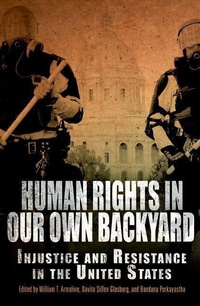
Human Rights in Our Own Backyard
Injustice and Resistance in the United States
1st Edition
Published on 28. September 2011
344 pages
978-0-8122-0514-5 (ISBN)
Description

Most Americans assume that the United States provides a gold standard for human rights-a 2007 survey found that 80 percent of U.S. adults believed that "the U.S. does a better job than most countries when it comes to protecting human rights." As well, discussions among scholars and public officials in the United States frame human rights issues as concerning people, policies, or practices "over there." By contrast, the contributors to this volume argue that many of the greatest immediate and structural threats to human rights, and some of the most significant efforts to realize human rights in practice, can be found in our own backyard.
Human Rights in Our Own Backyard examines the state of human rights and responses to human rights issues, drawing on sociological literature and perspectives to interrogate assumptions of American exceptionalism. How do people in the U.S. address human rights issues? What strategies have they adopted, and how successful have these strategies been? Essays are organized around key conventions of human rights, focusing on the relationships between human rights and justice, the state and the individual, civil rights and human rights, and group rights versus individual rights. The contributors are united by a common conception of the human rights enterprise as a process involving not only state-defined and implemented rights but also human rights from below as promoted by activists.
Human Rights in Our Own Backyard examines the state of human rights and responses to human rights issues, drawing on sociological literature and perspectives to interrogate assumptions of American exceptionalism. How do people in the U.S. address human rights issues? What strategies have they adopted, and how successful have these strategies been? Essays are organized around key conventions of human rights, focusing on the relationships between human rights and justice, the state and the individual, civil rights and human rights, and group rights versus individual rights. The contributors are united by a common conception of the human rights enterprise as a process involving not only state-defined and implemented rights but also human rights from below as promoted by activists.
Reviews / Votes
"This work is a valuable addition to the literature on the human rights studies in international relations and will therefore be of great interest to those who are involved in this area. Overall, the book can be considered a useful source for international relations students and researchers, and it may also be of interest to scholars, policy-makers and strategists in the United States." (Journal of Human Development and Capabilities) "The variety of authors-academics, community organizers, graduate students, human rights advocates-makes for interesting and at times quite compelling reading, and the immediacy of many of the topics (unemployment, food security, housing foreclosures) makes for timely, important contemporary reading." (Choice) "The editors and authors of Human Rights in Our Own Backyard propose to advance our deep understanding of human rights. Even better-they also advance the sort of understanding that will encourage their readers to take action-to lobby, organize, and redirect the path of our communities and the nation. . . . A stunning achievement." (from the Foreword, by Judith Blau) "An accessible and highly readable collection that pulls together a wide range of information and analyzes it through the lens of sociology. The book makes a significant contribution to emerging literature that applies human rights principles to U.S. policy and practice." (Martha F. Davis, Northeastern University)More details
Series
Language
English
Place of publication
Pennsylvania
United States
Target group
College/higher education
File size
0,56 MB
ISBN-13
978-0-8122-0514-5 (9780812205145)
Copyright in bibliographic data and cover images is held by Nielsen Book Services Limited or by the publishers or by their respective licensors: all rights reserved.
Schweitzer Classification
Other editions
Additional editions
William T. Armaline | Davita Silfen Glasberg | Bandana Purkayastha
Human Rights in Our Own Backyard
Injustice and Resistance in the United States
Book
03/2013
University of Pennsylvania Press
€37.60
Shipment within 10-20 days
Persons
William T. Armaline is a faculty member of the Department of Justice Studies at San Jose State University. Davita Silfen Glasberg is Professor of Sociology and Associate Dean of Social Sciences in the College of Liberal Arts and Sciences at the University of Connecticut. Bandana Purkayastha is Professor of Sociology at the University of Connecticut.
Content
Foreword
-Judith Blau
Introduction: Human Rights in the United States
PART I. ECONOMIC RIGHTS
Chapter 1. Sweatshirts and Sweatshops: Labor Rights, Student Activism, and the Challenges of Collegiate Apparel Manufacturing
-Julie Elkins and Shareen Hertel
Chapter 2. Labor Rights After the Flexible Turn: The Rise of Contingent Employment and the Implications for Worker Rights in the United States
-Andrew S. Fullerton and Dwanna L. Robertson
Chapter 3. Preying on the American Dream: Predatory Lending, Institutionalized Racism, and Resistance to Economic Injustice
-Davita Silfen Glasberg, Angie Beeman, and Colleen Casey
PART II. SOCIAL RIGHTS
Chapter 4. Food Not Bombs: The Right to Eat
-Deric Shannon
Chapter 5. The Long Road to Economic and Social Justice
-Amanda Ploch
Chapter 6. Hurricane Katrina and the Right to Food and Shelter
-Barret Katuna
Chapter 7. Education, Human Rights, and the State: Toward New Visions
-Abraham P. DeLeon
Chapter 8. Health and Human Rights
-Kathryn Strother Ratcliff
PART III. CULTURAL RIGHTS
Chapter 9. We Are a People in the World: Native Americans and Human Rights
-Barbara Gurr
Chapter 10. Reflections on Cultural Human Rights
-MihoIwata and Bandana Purkayastha
PART IV. POLITICAL AND CIVIL RIGHTS
Chapter 11. Erosion of Political and Civil Rights: Looking Back to Changes Since 9/11/01: The Patriot Act
-Christine Zozula
Chapter 12. U.S. Asylum and Refugee Policy: The "Culture of No"
-Bill Frelick
Chapter 13. The Border Action Network and Human Rights: Community-Based Resistance Against the Militarization of the U.S.-Mexico Border
-Sang Hea Kil, Jennifer Allen, and Zoe Hammer
Chapter 14. Sexual Citizenship: Marriage, Adoption, and Immigration in the United States
-Katie Acosta
Chapter 15. Do Human Rights Endure Across Nation-State Boundaries? Analyzing the Experiences of Guest Workers
-Shweta Majumdar Adur
Part V. Convention on the Elimination of All Forms of Racial Discrimination
Chapter 16. From International Platforms to Local Yards: Standing Up for the Elimination of Racial Discrimination in the United States
-Bandana Purkayastha, Aheli Purkayastha, and Chandra Waring
Chapter 17. Caging Kids of Color: Juvenile Justice and Human Rights in the United States
-William T. Armaline
PART VI. CONVENTION ON THE ELIMINATION OF ALL FORMS OF DISCRIMINATION AGAINST WOMEN
Chapter 18. "What Lies Beneath": Foundations of the U.S. Human Rights Perspective and the Significance for Women
-Tola Olu Pearce
Chapter 19. Sex Trafficking: In Our Backyard?
-Ranita Ray
Chapter 20. The U.S. Culture of Violence
-Stacy A. Missari
PART VII. HUMAN RIGHTS AND RESISTANCE IN THE UNITED STATES
Chapter 21. Building U.S. Human Rights Culture from the Ground Up: International Human Rights Implementation at the Local Level
-Chivy Sok and Kenneth J. Neubeck
Chapter 22. Critical Resistance and the Prison Abolitionist Movement
-Zoe Hammer
Chapter 23. Human Rights in the United States: The "Gold Standard" and the Human Rights Enterprise
-William T. Armaline, Davita Silfen Glasberg, and Bandana Purkayastha
Notes
References
List of Contributors
Index
Acknowledgments
-Judith Blau
Introduction: Human Rights in the United States
PART I. ECONOMIC RIGHTS
Chapter 1. Sweatshirts and Sweatshops: Labor Rights, Student Activism, and the Challenges of Collegiate Apparel Manufacturing
-Julie Elkins and Shareen Hertel
Chapter 2. Labor Rights After the Flexible Turn: The Rise of Contingent Employment and the Implications for Worker Rights in the United States
-Andrew S. Fullerton and Dwanna L. Robertson
Chapter 3. Preying on the American Dream: Predatory Lending, Institutionalized Racism, and Resistance to Economic Injustice
-Davita Silfen Glasberg, Angie Beeman, and Colleen Casey
PART II. SOCIAL RIGHTS
Chapter 4. Food Not Bombs: The Right to Eat
-Deric Shannon
Chapter 5. The Long Road to Economic and Social Justice
-Amanda Ploch
Chapter 6. Hurricane Katrina and the Right to Food and Shelter
-Barret Katuna
Chapter 7. Education, Human Rights, and the State: Toward New Visions
-Abraham P. DeLeon
Chapter 8. Health and Human Rights
-Kathryn Strother Ratcliff
PART III. CULTURAL RIGHTS
Chapter 9. We Are a People in the World: Native Americans and Human Rights
-Barbara Gurr
Chapter 10. Reflections on Cultural Human Rights
-MihoIwata and Bandana Purkayastha
PART IV. POLITICAL AND CIVIL RIGHTS
Chapter 11. Erosion of Political and Civil Rights: Looking Back to Changes Since 9/11/01: The Patriot Act
-Christine Zozula
Chapter 12. U.S. Asylum and Refugee Policy: The "Culture of No"
-Bill Frelick
Chapter 13. The Border Action Network and Human Rights: Community-Based Resistance Against the Militarization of the U.S.-Mexico Border
-Sang Hea Kil, Jennifer Allen, and Zoe Hammer
Chapter 14. Sexual Citizenship: Marriage, Adoption, and Immigration in the United States
-Katie Acosta
Chapter 15. Do Human Rights Endure Across Nation-State Boundaries? Analyzing the Experiences of Guest Workers
-Shweta Majumdar Adur
Part V. Convention on the Elimination of All Forms of Racial Discrimination
Chapter 16. From International Platforms to Local Yards: Standing Up for the Elimination of Racial Discrimination in the United States
-Bandana Purkayastha, Aheli Purkayastha, and Chandra Waring
Chapter 17. Caging Kids of Color: Juvenile Justice and Human Rights in the United States
-William T. Armaline
PART VI. CONVENTION ON THE ELIMINATION OF ALL FORMS OF DISCRIMINATION AGAINST WOMEN
Chapter 18. "What Lies Beneath": Foundations of the U.S. Human Rights Perspective and the Significance for Women
-Tola Olu Pearce
Chapter 19. Sex Trafficking: In Our Backyard?
-Ranita Ray
Chapter 20. The U.S. Culture of Violence
-Stacy A. Missari
PART VII. HUMAN RIGHTS AND RESISTANCE IN THE UNITED STATES
Chapter 21. Building U.S. Human Rights Culture from the Ground Up: International Human Rights Implementation at the Local Level
-Chivy Sok and Kenneth J. Neubeck
Chapter 22. Critical Resistance and the Prison Abolitionist Movement
-Zoe Hammer
Chapter 23. Human Rights in the United States: The "Gold Standard" and the Human Rights Enterprise
-William T. Armaline, Davita Silfen Glasberg, and Bandana Purkayastha
Notes
References
List of Contributors
Index
Acknowledgments
