

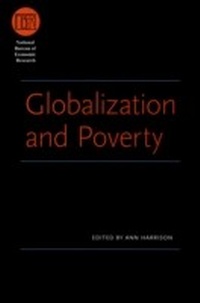
Globalization and Poverty
Description

Over the past two decades, the percentage of the world's population living on less than a dollar a day has been cut in half. How much of that improvement is because of-or in spite of-globalization? While anti-globalization activists mount loud critiques and the media report breathlessly on globalization's perils and promises, economists have largely remained silent, in part because of an entrenched institutional divide between those who study poverty and those who study trade and finance. Globalization and Poverty bridges that gap, bringing together experts on both international trade and poverty to provide a detailed view of the effects of globalization on the poor in developing nations, answering such questions as: Do lower import tariffs improve the lives of the poor? Has increased financial integration led to more or less poverty? How have the poor fared during various currency crises? Does food aid hurt or help the poor? Poverty, the contributors show here, has been used as a popular and convenient catchphrase by parties on both sides of the globalization debate to further their respective arguments. Globalization and Poverty provides the more nuanced understanding necessary to move that debate beyond the slogans.
More details
Other editions
Additional editions
Content
- Intro
- Contents
- Acknowledgments
- Globalization and Poverty: An Introduction
- I. Global (Cross-Country) Analyses
- 1. Why Are the Critics So Convinced ThatGlobalization Is Bad for the Poor?
- 2. Stolper-Samuelson Is Dead: And Other Crimesof Both Theory and Data
- 3. Globalization, Poverty, and All That:Factor Endowment versus Productivity Views
- 4. Does Tariff Liberalization Increase WageInequality? Some Empirical Evidence
- 5. My Policies or Yours: Does OECD Supportfor Agriculture Increase Poverty inDeveloping Countries?
- II. Country Case Studies of Trade Reform and Poverty
- 6. The Effects of the Colombian TradeLiberalization on Urban Poverty
- 7. Trade Liberalization, Poverty, and Inequality:Evidence from Indian Districts
- 8. Trade Protection and Industry Wage Structurein Poland
- 9. Globalization and Complementary Policies:Poverty Impacts in Rural Zambia
- 10. Globalization, Labor Income, and Povertyin Mexico
- III. Capital Flows and Poverty Outcomes
- 11. Financial Globalization, Growth, andVolatility in Developing Countries
- 12. Household Responses to the Financial Crisisin Indonesia: Longitudinal Evidence on Poverty, Resources, and Well-Being
- 13. Does Food Aid Harm the Poor? HouseholdEvidence from Ethiopia
- IV. Other Outcomes Associated with Globalization
- 14. Risk and the Evolution of Inequality in Chinain an Era of Globalization
- 15. Globalization and the Returns to SpeakingEnglish in South Africa
- Contributors
- Author Index
- Subject Index
