


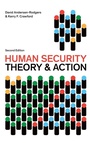
Human Security
Theory and Action
2nd Edition
Published on 12. September 2022
368 pages
979-8-8818-7696-8 (ISBN)
Description

Human security refers in its broadest sense to the protection of individuals from harm. Human Security: Theory and Action explores the theory and application of concepts central to this notion of security. It examines the conceptual roots of human security, connecting its origins to its applications and challenges in war and peacetime. With a unique focus on the evolving notion of responsibility for security, the text introduces the critical questions and priorities that underpin policies and actions.
The text is organized around four sections. The introduction offers an overview of human security and its basic tenets and historical foundations. The second section focuses on human security in armed conflict and post-conflict reconstruction, discussing such issues as the doctrine of Responsibility to Protect, racial inequality, peacekeeping and peace negotiation processes, and humanitarian assistance. The third section identifies the long-term issues that are necessary for a durable human security, including human rights, food security, poverty, gender equality, health security, and environmental sustainability. The final section applies the concepts introduced in the book to twenty-first century concerns and offers insights on turning theory into action.
Integrated into the text are many case studies to broaden the student's awareness beyond the conflicts and issues that dominate the media. By balancing theoretical explanations with concrete illustrative cases, both historical and contemporary, the text provides intellectually challenging and intrinsically interesting material and offers a unique, comprehensive introduction human security in war and peace.
The second edition of Human Security: Theory and Action examines the conceptual roots of human security, connecting its origins to its application in a time of conflict, inequality, environmental stress, and the aftermath of a global pandemic.
The text is organized around four sections. The introduction offers an overview of human security and its basic tenets and historical foundations. The second section focuses on human security in armed conflict and post-conflict reconstruction, discussing such issues as the doctrine of Responsibility to Protect, racial inequality, peacekeeping and peace negotiation processes, and humanitarian assistance. The third section identifies the long-term issues that are necessary for a durable human security, including human rights, food security, poverty, gender equality, health security, and environmental sustainability. The final section applies the concepts introduced in the book to twenty-first century concerns and offers insights on turning theory into action.
Integrated into the text are many case studies to broaden the student's awareness beyond the conflicts and issues that dominate the media. By balancing theoretical explanations with concrete illustrative cases, both historical and contemporary, the text provides intellectually challenging and intrinsically interesting material and offers a unique, comprehensive introduction human security in war and peace.
The second edition of Human Security: Theory and Action examines the conceptual roots of human security, connecting its origins to its application in a time of conflict, inequality, environmental stress, and the aftermath of a global pandemic.
More details
Other editions
Additional editions
Book
09/2022
2nd Edition
Rowman & Littlefield Publishers
€126.10
Shipment within 3-4 weeks
Persons
David Andersen-Rodgers is a professor of political science at California State University, Sacramento. His teaching and research has focused on human security, conflict-induced displacement, foreign policy decision-making, and small arms proliferation.
Kerry F. Crawford is an associate professor of Political Science at James Madison University in Harrisonburg, Virginia. She is the author of several books, including Wartime Sexual Violence (2017, Georgetown University Press), Human Security: Theory and Action (2018, Rowman & Littlefield), and The PhD Parenthood Trap (2021, Georgetown University Press). She teaches and researches subjects related to human security, conflict-related sexual violence, United Nations peacekeeping, public opinion on civilian casualties, and gender and bias in the academic profession.
Kerry F. Crawford is an associate professor of Political Science at James Madison University in Harrisonburg, Virginia. She is the author of several books, including Wartime Sexual Violence (2017, Georgetown University Press), Human Security: Theory and Action (2018, Rowman & Littlefield), and The PhD Parenthood Trap (2021, Georgetown University Press). She teaches and researches subjects related to human security, conflict-related sexual violence, United Nations peacekeeping, public opinion on civilian casualties, and gender and bias in the academic profession.
Content
Section I: Introduction to Human Security
1. Human Security-A New Security?
Responsibility for SecurityHuman Security and the Reconceptualization of SecurityPerspectives on SecurityWhy Human Security?Plan of the Book2. Historical Foundations of Human Security
The Political Context for a New SecurityDebating SecurityHuman Security: A Reimagined Security3. Human Security Actors
Security ProvidersResponding to Threats to Human SecurityThe Three Policy Boxes: Problem, Policy, and OutcomeExploring Global Collaboration and Evolving Goals: The MDGs and SDGsConclusion4. Human Rights and Human Security
The Roots of Human RightsHuman Rights and the Protection of a Common HumanityRestoring Human Rights that Have Been DeniedHuman Rights and Human SecuritySection II: Armed Conflict and Human Security
5. From Non-Intervention to the Responsibility to Protect
Sovereignty and the Principle of NoninterventionEvolving Norms of ProtectionHumanitarian Intervention and the Responsibility to ProtectLibya and the Responsibility to ProtectConclusion6. Human Security in Peace Processes
All Wars Must End?From Cease-Fires to Comprehensive Peace Accords: Integrating Human Security into Conflict TerminationHuman Security During Conflict: Protection, Assistance, and AdvocacyConclusion7. Human Security and Peacebuilding
Security Threats after ConflictState Building, Peacebuilding, and the Human Security ApproachUN Peace OperationsPolicing after the TroublesNo Peace Without Justice? Transitional Justice and Human SecurityConclusionSection III: Durable Human Security
8. Durable Human Security: Breaking the Cycle of Insecurity
Human Security in Armed Conflict and Freedom from FearFrom Armed Conflict to "Peacetime": Durable Human Security and Freedom from WantEconomic Security: An Illustration of the Cycle of SecurityOverview of Section III Chapters9. Health Security as Human Security
Health as a Human Security IssueResponses to the COVID-19 PandemicResponsibility for Health SecurityConclusion: Good Health and Human Security10. Gender Inequality and Security
Gender and Gender InequalityGender (In)Equality and (In)SecurityGlobal Efforts to Improve Gender EqualityConclusion: Gender Equality at Home and Abroad11. Climate Change and Environmental Security
Global Warming and Climate ChangeThe Security Implications of Climate ChangeGlobal Cooperation and National Interest: Efforts and ObstaclesInternational Agreements: Top-Down SolutionsThe Youth Climate Movement: A Cosmopolitan Effort to Save the WorldSecurity Provision from Below? New Prospects in an Uncertain Time12. Food Security
Hunger as a Human Security ThreatFood Insecurity: Cases and ExamplesProtection Against HungerSection IV: Conclusions
13. Human Security: An Essential Approach to Twenty-First Century Security Problems
Requirements of Human SecurityThe Status of Human SecurityHuman Security and Complex QuestionsHuman Security in a Changing World: Theory and ActioGlossary
References
Index
1. Human Security-A New Security?
Responsibility for SecurityHuman Security and the Reconceptualization of SecurityPerspectives on SecurityWhy Human Security?Plan of the Book2. Historical Foundations of Human Security
The Political Context for a New SecurityDebating SecurityHuman Security: A Reimagined Security3. Human Security Actors
Security ProvidersResponding to Threats to Human SecurityThe Three Policy Boxes: Problem, Policy, and OutcomeExploring Global Collaboration and Evolving Goals: The MDGs and SDGsConclusion4. Human Rights and Human Security
The Roots of Human RightsHuman Rights and the Protection of a Common HumanityRestoring Human Rights that Have Been DeniedHuman Rights and Human SecuritySection II: Armed Conflict and Human Security
5. From Non-Intervention to the Responsibility to Protect
Sovereignty and the Principle of NoninterventionEvolving Norms of ProtectionHumanitarian Intervention and the Responsibility to ProtectLibya and the Responsibility to ProtectConclusion6. Human Security in Peace Processes
All Wars Must End?From Cease-Fires to Comprehensive Peace Accords: Integrating Human Security into Conflict TerminationHuman Security During Conflict: Protection, Assistance, and AdvocacyConclusion7. Human Security and Peacebuilding
Security Threats after ConflictState Building, Peacebuilding, and the Human Security ApproachUN Peace OperationsPolicing after the TroublesNo Peace Without Justice? Transitional Justice and Human SecurityConclusionSection III: Durable Human Security
8. Durable Human Security: Breaking the Cycle of Insecurity
Human Security in Armed Conflict and Freedom from FearFrom Armed Conflict to "Peacetime": Durable Human Security and Freedom from WantEconomic Security: An Illustration of the Cycle of SecurityOverview of Section III Chapters9. Health Security as Human Security
Health as a Human Security IssueResponses to the COVID-19 PandemicResponsibility for Health SecurityConclusion: Good Health and Human Security10. Gender Inequality and Security
Gender and Gender InequalityGender (In)Equality and (In)SecurityGlobal Efforts to Improve Gender EqualityConclusion: Gender Equality at Home and Abroad11. Climate Change and Environmental Security
Global Warming and Climate ChangeThe Security Implications of Climate ChangeGlobal Cooperation and National Interest: Efforts and ObstaclesInternational Agreements: Top-Down SolutionsThe Youth Climate Movement: A Cosmopolitan Effort to Save the WorldSecurity Provision from Below? New Prospects in an Uncertain Time12. Food Security
Hunger as a Human Security ThreatFood Insecurity: Cases and ExamplesProtection Against HungerSection IV: Conclusions
13. Human Security: An Essential Approach to Twenty-First Century Security Problems
Requirements of Human SecurityThe Status of Human SecurityHuman Security and Complex QuestionsHuman Security in a Changing World: Theory and ActioGlossary
References
Index
