


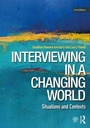
Interviewing in a Changing World
Situations and Contexts
2nd Edition
Published on 17. January 2018
216 pages
978-1-351-62412-1 (ISBN)
Description

Interviewing in a Changing World offers students the broadest coverage of interviewing available today by including several unique interview situations. Students begin to develop a better understanding of how to utilize strong interviewing skills in several different settings, as this text demonstrates that interviewing techniques differ in accordance with varying situations and contexts. The Second Edition covers employment contexts such as job interviews, persuasive interviews, performance and appraisal interviews, as well as media interviews on radio, television, newspapers, and political reporting. There are two full chapters on research, including interviewing skills needed for both qualitative and quantitative research. The book covers several unique interviewing situations that are on the cutting edge of communication research with an interview with a professional from the field and multiple sidebars on related theoretical and applied issues within each chapter.
More details
Edition
2nd edition
Language
English
Place of publication
London
United Kingdom
Publishing group
Taylor & Francis Ltd
Target group
College/higher education
Professional and scholarly
File size
1,46 MB
ISBN-13
978-1-351-62412-1 (9781351624121)
Copyright in bibliographic data and cover images is held by Nielsen Book Services Limited or by the publishers or by their respective licensors: all rights reserved.
Schweitzer Classification
Other editions
Additional editions
Book
01/2018
2nd Edition
Routledge
€73.22
Shipment within 10-20 days
Book
01/2018
2nd Edition
Routledge
€230.27
Shipment within 10-20 days
Persons
Jonathan Howard Amsbary is a Professor and the Graduate Director in the Department of Communication Studies at the University of Alabama at Birmingham, USA. He serves as the Graduate Director for the Communication Management M.A. program.
Larry Powell is a Professor of Communication Studies who teaches mass communication and communication management courses. He has worked for ten years as a full-time communication consultant and is ranked as one of the top 50 active communication researchers in the nation by Communication Monographs. He is the author of more than 80 academic articles and 8 books.
Larry Powell is a Professor of Communication Studies who teaches mass communication and communication management courses. He has worked for ten years as a full-time communication consultant and is ranked as one of the top 50 active communication researchers in the nation by Communication Monographs. He is the author of more than 80 academic articles and 8 books.
Content
SECTION 1: INTRODUCTION
The Basics of Interviewing
I. Types of Interviews
A. Workplace Interviews
B. Informational Interviews
C. Interrogations
D. Health Interviews
II. Phases in the Interview Process
A. Preparation
B. Opening
C. Q & A
D. Closing
III. Techniques for Interviews
A. Question Sequence
B. Verbal Tools
1. Types of Questions
2. The Use of Silence
C. Monitoring
D. Feedback
V. Interview Structure
VI. Interviewer/Interviewee Relationship
VII. Nonverbal Issues in the Interview
VIII. Summary
SECTION 2: INTERVIEWING IN THE ORGANIZATIONAL SETTING
2. The Employment Interview: The Employer's Perspective
I. The Purpose of Job Interviews
II. The Interviewer's Preparation
A. Assessing the Organization's Needs
B. Advertising the Position
C. Filtering the Applicants
III. Conducting the Interview
A. Assessing Capability
B. Assessing Work Ethic
C. Assessing Interpersonal Maturity
IV. The Behavioral Interview
V. Varying by Employment Purpose
VI. The Resume Probe
VII. Puzzle-Based Interviews
VIII. The Legal Side of Employment Interviews
IX. Summary
3. The Employment Interview: The Job Applicant's Perspective
I. Starting the Process
II. Resumes
A. What to Do
B. What Not to Do
III. Cover Letters
IV. Preparing for the Interview
V. Summary
4. Online Employment Interviews: Changing the Game
I. The Online Process: First the Ad and then the Interview
II. On-line Interviews
III. Nailing the Online Interview
Preparation & Practice
Technology and set-up
The Interview
IV. Follow-up
V. Summary
5. Performance Appraisal and Exit Interviews
I. Purposes of Appraisal Interviews
II. Levels of Assessment
III. Legal Issues
A. Discrimination
B. Harassment
IV. Common Problems with Appraisal Interviews
A. Problems with Reliability
B. Problems with Validity
V. Methods of Performance Appraisal
A. Management by Objectives.
B. Behavioral Evaluations
C. Forced Rankings
VI. Improving Performance Appraisals
VII. Employee Responses
VIII. The Exit Interview
IX. Summary
SECTION 3: INTERVIEWING IN THE MEDIA
6. Newspaper Interviews
I. The Priority of Accuracy
II. The Interview Process
III. Types of Journalistic Interviews
A. News/Features Interviews
B. Press Conferences
C. Roundup Interviews
D. Reluctant Sources
IV. Levels of Confidentiality
V. Summary
7. Interviews on Radio and Television
I. The Sound Bite
II. Types of Broadcast Interviews
A. Live Interviews
B. Spot Interviews
C. Public Official Interviews
D. Celebrity Interviews.
III. Tricks of the Trade
IV. The Other Side of the Microphone
V. Checkbook Journalism
VI. Summary
8. Interviews in the Political Arena
I. The Press Secretary
II. Media Interviews
A. Newspaper Interviews
B. Broadcast Interviews
III. Spin Doctors
A. Priming
B. Framing
C. Word Choice
IV. Sunday News Shows
V. Campaign Debates
VI. Legislative Hearings
VII. Summary
SECTION 4: RESEARCH INTERVIEWS
9. Qualitative Research Interviews
I. In-Depth Interviews
A. Retrospective Interviews
B. Known Associates Interviews
C. Field Interviewing
D. Extended Telephone Interviews
II. Focus Groups
III. Participant-Observation Research
IV. Data Analysis
V. Ethical Questions
VI. Summary
10. Quantitative Research Interviews
I. Public Opinion Surveys
II. The Polling Process
A. Questionnaire Development
B. Sampling
C. Interviewing
III. What Can Go Wrong
IV. Intercept Interviewing
A. Mall Intercepts
B. Exit Polling
C. Convenience Interviews
D. Mystery Shoppers
V. The Ethics of Audience Analysis
VI. Pseudo-Polling
VII. Summary
11. Oral History Interviews
I. Elements of Oral History
A. Background Research
B. Technical Preparations
C. The Oral Interview
D. The Written Transcript
E. Back to the Library
F. More Interviews
G. Editing the Narrative
II. Oral History for Academic Research
III. Oral History as a Narrative of Family History
IV. Things to Consider
V. Summary
12. Interviews in Context
I. Forensic Interviewing
A. Police Interviews
B. Lawyer Interviews
II. Medical Interviews
Functions of Medical Interviews
Barriers to Effective Medical Interviews
Types of Medical Interviews
The Reverse Interview: What the Patient Should Ask the Doctor
The Basics of Interviewing
I. Types of Interviews
A. Workplace Interviews
B. Informational Interviews
C. Interrogations
D. Health Interviews
II. Phases in the Interview Process
A. Preparation
B. Opening
C. Q & A
D. Closing
III. Techniques for Interviews
A. Question Sequence
B. Verbal Tools
1. Types of Questions
2. The Use of Silence
C. Monitoring
D. Feedback
V. Interview Structure
VI. Interviewer/Interviewee Relationship
VII. Nonverbal Issues in the Interview
VIII. Summary
SECTION 2: INTERVIEWING IN THE ORGANIZATIONAL SETTING
2. The Employment Interview: The Employer's Perspective
I. The Purpose of Job Interviews
II. The Interviewer's Preparation
A. Assessing the Organization's Needs
B. Advertising the Position
C. Filtering the Applicants
III. Conducting the Interview
A. Assessing Capability
B. Assessing Work Ethic
C. Assessing Interpersonal Maturity
IV. The Behavioral Interview
V. Varying by Employment Purpose
VI. The Resume Probe
VII. Puzzle-Based Interviews
VIII. The Legal Side of Employment Interviews
IX. Summary
3. The Employment Interview: The Job Applicant's Perspective
I. Starting the Process
II. Resumes
A. What to Do
B. What Not to Do
III. Cover Letters
IV. Preparing for the Interview
V. Summary
4. Online Employment Interviews: Changing the Game
I. The Online Process: First the Ad and then the Interview
II. On-line Interviews
III. Nailing the Online Interview
Preparation & Practice
Technology and set-up
The Interview
IV. Follow-up
V. Summary
5. Performance Appraisal and Exit Interviews
I. Purposes of Appraisal Interviews
II. Levels of Assessment
III. Legal Issues
A. Discrimination
B. Harassment
IV. Common Problems with Appraisal Interviews
A. Problems with Reliability
B. Problems with Validity
V. Methods of Performance Appraisal
A. Management by Objectives.
B. Behavioral Evaluations
C. Forced Rankings
VI. Improving Performance Appraisals
VII. Employee Responses
VIII. The Exit Interview
IX. Summary
SECTION 3: INTERVIEWING IN THE MEDIA
6. Newspaper Interviews
I. The Priority of Accuracy
II. The Interview Process
III. Types of Journalistic Interviews
A. News/Features Interviews
B. Press Conferences
C. Roundup Interviews
D. Reluctant Sources
IV. Levels of Confidentiality
V. Summary
7. Interviews on Radio and Television
I. The Sound Bite
II. Types of Broadcast Interviews
A. Live Interviews
B. Spot Interviews
C. Public Official Interviews
D. Celebrity Interviews.
III. Tricks of the Trade
IV. The Other Side of the Microphone
V. Checkbook Journalism
VI. Summary
8. Interviews in the Political Arena
I. The Press Secretary
II. Media Interviews
A. Newspaper Interviews
B. Broadcast Interviews
III. Spin Doctors
A. Priming
B. Framing
C. Word Choice
IV. Sunday News Shows
V. Campaign Debates
VI. Legislative Hearings
VII. Summary
SECTION 4: RESEARCH INTERVIEWS
9. Qualitative Research Interviews
I. In-Depth Interviews
A. Retrospective Interviews
B. Known Associates Interviews
C. Field Interviewing
D. Extended Telephone Interviews
II. Focus Groups
III. Participant-Observation Research
IV. Data Analysis
V. Ethical Questions
VI. Summary
10. Quantitative Research Interviews
I. Public Opinion Surveys
II. The Polling Process
A. Questionnaire Development
B. Sampling
C. Interviewing
III. What Can Go Wrong
IV. Intercept Interviewing
A. Mall Intercepts
B. Exit Polling
C. Convenience Interviews
D. Mystery Shoppers
V. The Ethics of Audience Analysis
VI. Pseudo-Polling
VII. Summary
11. Oral History Interviews
I. Elements of Oral History
A. Background Research
B. Technical Preparations
C. The Oral Interview
D. The Written Transcript
E. Back to the Library
F. More Interviews
G. Editing the Narrative
II. Oral History for Academic Research
III. Oral History as a Narrative of Family History
IV. Things to Consider
V. Summary
12. Interviews in Context
I. Forensic Interviewing
A. Police Interviews
B. Lawyer Interviews
II. Medical Interviews
Functions of Medical Interviews
Barriers to Effective Medical Interviews
Types of Medical Interviews
The Reverse Interview: What the Patient Should Ask the Doctor
