


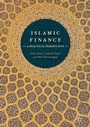
Islamic Finance
Description

This book provides a comprehensive and practical guide to Islamic finance. It covers a broad range of important topics including Islamic banking, capital markets, Takaful, wealth management, Fintech in Islamic finance, compliance and governance issues.
It begins by introducing Islamic banking, covering its objectives, principles and evolution, before moving on to discuss the religious foundations of Islamic finance. The prohibition of Riba and Gharar and Islamic contracts are explored, before Islamic deposits, and financing are discussed in practice. A comparative analysis is provided between Islamic banking products and services in a range of counties throughout the world. Information technology including fintech, payment and settlement networks, opportunities and challenges are also addressed. Corporate governance, Islamic capital markets, and Islamic insurance (Takaful) are all explored, before concluding with a chapter on wealth management and Islamic investment funds. Itfeatures case studies based on the authors' own experiences consulting with Islamic financial institutions.
Ideal for those looking to improve their understanding of practical Islamic financing models, contracts, product structures and product features, this book will appeal to both students and practitioners in Islamic finance and banking, those based in Islamic financial institutions, and those based in conventional financial institutions who may be looking to enter the Islamic financial market.
More details
Other editions
Additional editions
Persons
Dr Nafis Alam is an Associate Professor of Finance at Henley Business School, University of Reading Malaysia. His research is focused on banking regulation, corporate finance, Islamic banking & finance and financial intermediation. He has co-authored five books in Islamic Finance, including an Encyclopedia of Islamic Finance.
Lokesh Gupta has 17 years of experience in Financial Solution Consulting and Implementation. Currently, he is involved in Asset Liability Management, Basel III, Reporting Data Mart Development, as well as Remittance & Payments Solution implementations in South East Asia region. He has co-authored four books in Islamic Finance and has published papers in various magazines.
Professor Bala Shanmugam is an academic advisor to FedUni, Malaysia, as well as Adjunct Professor at Asia e University, Malaysia. Professor Shanmugam has extensive industry experience and has served as Consultant to many Financial Institutions, including the World Bank. He is also on the Editorial Boards of various journals in Banking and Finance domain.
Content
Chapter 1: Introduction to Islamic Banking.Chapter 2: The Religious Foundations of Islamic Banking.Chapter 3: Prohibition of Riba and Gharar in Islamic Banking.Chapter 4: Islamic Contracts. Chapter 5: Islamic Deposits in Practice.Chapter 6:Islamic Financing in Practice.Chapter 7: Comparative Analysis: Islamic Banking Products and Services in Different Countries.Chapter 8: Information Technology in Islamic Banks.Chapter 9: Corporate Governance in Islamic Banks.- Chapter 10: Islamic Capital Market.Chapter 11: Takaful.Chapter 12: Islamic Wealth Management.
