

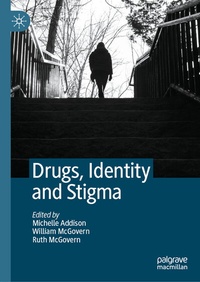
Drugs, Identity and Stigma
Description

This book calls attention to the impact of stigma experienced by people who use illicit drugs. Stigma is powerful: it can do untold harm to a person and place with longstanding effects. Through an exploration of themes of inequality, power, and feeling 'out of place' in neoliberal times, this collection focuses on how stigma is negotiated, resisted and absorbed by people who use drugs. How does stigma get under the skin? Drawing on a range of theoretical frameworks and empirical data, this book draws attention to the damaging effects stigma can have on identity, recovery, mental health, desistance from crime, and social inclusion. By connecting drug use, stigma and identity, the authors in this collection share insights into the everyday experiences of people who use drugs and add to debate focused on an agenda for social justice in drug use policy and practice.
Reviews / Votes
"This book is a highly informative and well written contribution to the ongoing debate about stigma and drug use. It combines the theoretical with the practical and focusses on areas that are little addressed elsewhere. For example, it includes chapters on the experiences of stigma from young people whose parents use substances, stigma and steroid use, as well as healthcare professionals use of substances and the experiences of self-stigma in 12 step groups. This collection demonstrates how destructive and damaging stigma can be, and how we must all play a role in countering it. It is an excellent addition to the literature in the field." (Professor Sarah Galvani, Professor of Social Research and Substance Use, Manchester Metropolitan University , UK)More details
Other editions
Additional editions
Persons
Michelle Addison is Assistant Professor in Criminology at Durham University, UK.
William McGovern is Assistant Professor at Northumbria University, UK.
Ruth McGovern is Senior Lecturer in Public Health Research at Newcastle University, UK.
Content
Chapter 1. Introduction: Stigma Under the Skin (Michelle Addison, Will McGovern and Ruth McGovern).- Chapter 2. Intersectional Identities, Stigma and MDMA/Ecstasy Use (Karenza Moore).- Chapter 3. Guilt, Shame, & Getting Passed the Blame: Resisting Stigma through the Good Mothering Ideal (Tracy R. Nichols, Amy Lee, Meredith R. Gringle & Amber Welborn).- Chapter 4. Identity Construction and Stigma in Recovery (Carole Murphy).- Chapter 5. What's Your Poison? On the identity crises faced by healthcare professionals who (ab)use drugs and alcohol (Sam P. Burton, Keegan C. Shepard and Sergio A. Silverio).- Chapter 6. Stigma and the use of anabolic androgenic steroids by men in the United Kingdom (Jim McVeigh and Geoff Bates).- Chapter 7. Navigating Custodial Environments: Novel Psychoactive Substance Users Experiences of Stigma (Kelly J. Stockdale, Michelle Addison and Georgia Ramm).- Chapter 8. Stigma and young people whose parents use substances (Cassey Muir, Ruth McGovern andEileen Kaner).- Chapter 9. Cultural Competence to Cultural Obsolescence: Drug Use, Stigma and Consumerism (Tammy Ayres and Stuart Taylor).- Chapter 10. It's what happens now when people go for a drink': Normalising non-dependent recreational cocaine use amongst over-35s in the UK (Ancrum C, Scott S and Wattis L).- Chapter 11. Negotiating "self-stigma" and an "Addicted Identity" in Traditional 12 Step Self-Help Groups (Will McGovern, Michelle Addison and Ruth McGovern).- Chapter 12. Stigma: Final Reflections and Implications (Will McGovern, Michelle Addison and Ruth McGovern).
