

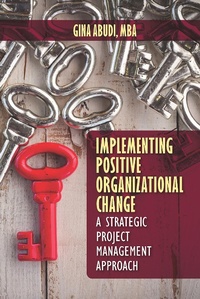
Implementing Positive Organizational Change
A Strategic Project Management Approach
Published on 1. February 2017
337 pages
978-1-60427-777-7 (ISBN)
Description

In today's increasingly competitive global marketplace, organizations that do not regularly undertake change initiatives will find it difficult-if not impossible-to continue to be successful in the long term.Most organizations only launch change initiatives when forced to address some pain, such as decreased revenues or profits, where the sole focus is on the benefits to the organization. Often, the people side of change management is overlooked, causing 60-70% of these efforts to fail.Implementing Positive Organizational Change explains how to develop a continuous improvement culture of change that will be perceived by employees as a positive opportunity to create something new, exciting and valuable, instead of something negative to confront and resist. This comprehensive guide describes how to communicate with and engage stakeholders and employees to gain buy-in and support, and outlines a strategic project management approach that helps ensure successful implementation and desired results.
More details
Other editions
Additional editions
Book
02/2017
J Ross Publishing
€51.50
Article not available at the moment
Person
Gina Abudi has over 25 years of experience in change management, project and process management, leadership development, and human resources. She is the President of Abudi Consulting Group, LLC, a management consulting firm serving mid-size to large global organizations. As a consultant, Gina helps businesses develop and implement strategy around projects, processes, and people. A large percentage of her time is focused on organizational change initiatives. This includes efforts such as helping global organizations kick off large complex change initiatives, setting up communication plans for change initiatives, helping to create and launch Change Management Centers of Excellence, and working with leadership to engage employees in change.Ms. Abudi is lead author of Best Practices for Managing BPI Projects: Six Steps to Success, contributing author of Project Pain Reliever: A Just-In-Time Handbook for Anyone Managing Projects, co-author of The Complete Idiot's Guide to Best Practices for Small Business, and a professional speaker and keynote at many regional, national, and global conferences. Gina served on the Project Management Institute's Global Corporate Council as Chair of the Leadership Team as well as President of the PMI Massachusetts Bay Chapter. She is considered one of the most influential executives in project management and was honored as such by being named to PMI's Power 50 List. She currently works with the PMI Educational Foundation non-profit as a Community Engagement Member.
Content
- Front Cover
- Title Page
- Copyright
- Contents
- Preface
- Acknowledgments
- About the Author
- WAVTM
- Chapter 1: Introduction to Leading Organizational Change
- Change Versus Transformation-Is There a Difference?
- The Complexity of Change
- Why Change Matters Today
- Employees Make the Difference!
- Change Can Be Exciting and Fun!
- Chapter 2: Understanding About Change
- A Change Management Framework
- What Kind of Change Is This?
- The Process of Change and Stages of Change
- Strategic Initiatives and Organizational Change
- Factors that Drive Change
- Effects of Change on the Organization
- Why Organizations Fail at Change
- Effects of Change on the Individual Employees
- Obstacles to Change
- Overcoming Obstacles to Change
- A Framework For Leading Organizational Change
- Chapter 3: Looking at Change from a Positive Perspective
- Negative Change Perspective Versus Positive Change Perspective
- The Value of a Positive, Opportunity-Driven Perspective
- Drivers and Resisters to Change
- Communication Best Practices
- Developing the Communication Strategy
- Getting a Cross-Functional Group Involved
- Sharing the Communication Strategy and Plan
- Ensuring Regular and Consistent Communications
- Setting a Vision for Change and Communicating that Vision
- Telling Stories and Planning for the Future
- What's in It for Me?
- Chapter 4: Building Change Capability Within the Organization
- The Value of Organizational Change
- Making Change Part of the Strategy
- Assessing the Readiness for Change.
- Creating an Environment for Change
- Organizational Culture Matters
- Is the Culture a Culture of Change?
- Are People Ready for Change?
- Using Information from Surveys and Employee Engagement Data
- Creating and Sustaining a Change Management Center of Excellence.
- Ensuring Coordination Between the CM CoE and the Project Management Office.
- Chapter 5: The Value of Focusing on the People
- Developing a Mindset for Change
- Engaging in Conversations Around Change
- Making It Easier for People to Adopt the Change
- Understanding the People: Conducting a Stakeholder Analysis
- Determining Champions, Resisters, and Those Who Are Indifferent
- Engaging and Converting (Some) Resisters and Indifferent Individuals to Champions
- Finding Your Change Agents
- The Role of the Change Agent
- Skills, Competencies, and Attributes Necessary to Support Change
- Providing a Clear Description of the Role and Training the Change Agents
- Continuing to Engage the Champions, Change Agents, and Other Supporters of Change
- Driving Change from the Bottom Up
- Letting Employees Lead the Change
- Getting Managers Comfortable with Not Leading
- Building and Enabling Change Teams
- Who Should Be Involved on the Change Team?
- Accountability Is Key
- Chapter 6: Leading Change Across Cultural and Generational Boundaries
- The Impact of Cultural Diversity and Different Generations on Organizational Change Initiatives
- Cultural Dimensions and the Impact on Change
- Generations in the Workplace and Implementing Change
- The Value of Using Cross-Cultural and Cross-Generational Teams to Drive Change
- Kicking off the Diverse Team to Enable Success on the Change Initiative.
- Chapter 7: The Change Project
- The Basics of Planning Organizational Change Initiatives
- Preparing the Organization for Change
- Sharing the Strategy and Vision for the Organizational Change Project
- Developing Your People Change Management Plan
- Communication Planning
- Ensuring People Are Ready for Change
- Developing and Deploying Your Change Teams.
- The Roles and Responsibilities of Change Teams
- Getting a Broader Group of Stakeholders Involved
- Providing Training on Change
- Implementing Change with a Pilot Group
- Rolling Out Change Organization-Wide
- Making Organizational Change Stick
- Deploying the Change Agents
- Checking in with People
- Continuous Evaluation and Improvement
- Chapter 8: Continuous Communication and Engagement in Change
- Learning Lessons from Past Change Initiatives
- The Value of Making Change the Norm.
- Keeping the Change Conversation Going
- Knowledge Management and Collaboration Best Practices
- Making Change Conversations a Part of Onboarding for New Employees
- Chapter 9: Continuous-But Not Chaotic!-Change
- Tying Change to Continuous Improvement
- Change and the Organization's Strategic Planning Sessions
- Rotating the Role of Change Team Members
- Ending One Initiative and Starting the Next
- Chapter 10: Getting Started
- Develop the Strategic Plan for Making Organizational Change a Regular Part of a Growing Organization.
- Who Should Be Involved?.
- Sharing the Plan, Getting Input, and Communicating
- Summary
- Index
