

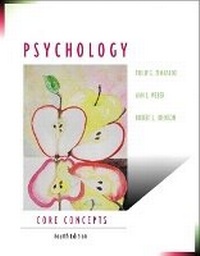
Psychology
Core Concepts
4th Edition
Published on 25. July 2002
Book
Hardback
688 pages
978-0-205-35660-7 (ISBN)
Description
The accomplished author team of Phillip Zimbardo (APA president 2001-2002), Ann Weber, and Bob Johnson once again present psychology to both teachers and students in a meaningful, manageable format.
Each chapter of this brief, less expensive textbook focuses on the key questions and core concepts of psychology, supported by an extensive pedagogical structure designed to aid students.
A wealth of instructive features, such as "Psychology in Your Life," "Using Psychology to Learn Psychology," and "Do it Yourself!" enhance student learning and retention of key psychological concepts. Psychology, Fourth Edition integrates a cross-cultural and multicultural perspective to make psychology meaningful for all readers. This is all accomplished in a 14-chapter format, which is easier to integrate into a semester or quarter course.
Each chapter of this brief, less expensive textbook focuses on the key questions and core concepts of psychology, supported by an extensive pedagogical structure designed to aid students.
A wealth of instructive features, such as "Psychology in Your Life," "Using Psychology to Learn Psychology," and "Do it Yourself!" enhance student learning and retention of key psychological concepts. Psychology, Fourth Edition integrates a cross-cultural and multicultural perspective to make psychology meaningful for all readers. This is all accomplished in a 14-chapter format, which is easier to integrate into a semester or quarter course.
More details
Edition
4th edition
Language
English
Place of publication
United States
Publishing group
Pearson Education (US)
Target group
Professional and scholarly
Dimensions
Height: 286 mm
Width: 278 mm
Thickness: 31 mm
Weight
1666 gr
ISBN-13
978-0-205-35660-7 (9780205356607)
Copyright in bibliographic data and cover images is held by Nielsen Book Services Limited or by the publishers or by their respective licensors: all rights reserved.
Schweitzer Classification
Other editions
New editions
Book
07/2005
5th Edition
Pearson
Unfortunately, price unknown
Article exhausted; check for reprint

Book
5th Edition
Allyn & Bacon
€100.40
The article will not be published
Previous edition

Philip G. Zimbardo | Ann L. Weber | Robert L. Johnson
Psychology
Book
02/2000
3rd Edition
Pearson
€40.84
Article exhausted; check for reprint
Content
All chapters conclude with "Using Psychology to Learn Psychology," "Chapter Summary," "Review Test," and "If You're Interested."
1. Mind, Behavior, and Science.
What Is Psychology, and What Are Its Roots?
What Are the Perspectives Psychologists Use Today?
What Do Psychologists Do?
How Do Psychologists Develop New Knowledge?
2. Biopsychology.
How Are Genes and Behavior Linked?
How Does the Body Communicate Internally?
How Does the Brain Produce Behavior and Mental Processes?
3. States of Mind.
What Is the Nature of Consciousness?
What Are the Cycles of Everyday Consciousness?
What Other Forms Can Consciousness Take?
4. Psychological Development.
How Do Psychologists Explain Development?
What Capabilities Does the Newborn Possess?
What Are the Developmental Tasks of Childhood?
What Developmental Changes Occur in Adolescence and Adulthood?
5. Sensation and Perception.
How Does Stimulation Become Sensation?
How Are the Senses Alike? And How Are They Different?
How the Other Senses Are Like Vision and Hearing.
What Is the Relationship Between Perception and Sensation?
6. Learning and Remembering.
How Does Classical Conditioning Explain Learning?
How Do We Learn New Behaviors by Operant Conditioning?
How Does Cognitive Psychology Explain Learning?
How Does Memory Work?
7. Memory.
What Is Memory?
How Do We Form Memories?
How Do We Retrieve Memories?
How Does Memory Work?
8. Thinking and Intelligence.
What Are the Components of Thought?
What Abilities Do Good Thinkers Possess?
How Is Intelligence Measured?
What Are the Components of Intelligence?
How Do Psychologists Explain IQ Differences Among Groups?
9. Emotion and Motivation.
What Do Our Emotions Do for Us?
Where Do Our Emotions Come From?
How Much Control Do We Have Over Our Emotions?
Motivation: What Makes Us Act as We Do?
How Are Achievement, Hunger, and Sex Alike? Different?
10. Stress, Health, and Well-Being.
Is It the Stress or the Stressor?
How Does Stress Affect Us Physically?
How Do We Respond Psychologically to Stress?
How Can We Cope Effectively with Stress?
11. Personality.
What Forces Shape Our Personalities?
What Patterns Are Found in Personality?
What "Theories" Do People Use to Understand Each Other?
12. Psychopathology.
What Is Mental Disorder?
How Are Mental Disorders Classified?
What Are the Consequences of Labeling?
13. Therapies for Mental Disorder.
What Is Therapy?
How Do Psychologists Treat Mental Disorders?
How Do the Biomedical Therapies Approach Mental Disorders?
14. Social Psychology.
How Does the Situation Affect Our Behavior?
What Influences Our Judgments of Others?
What Are the Roots of Violence and Terrorism?
A Personal Endnote.
Appendix.
Glossary.
References.
1. Mind, Behavior, and Science.
What Is Psychology, and What Are Its Roots?
What Are the Perspectives Psychologists Use Today?
What Do Psychologists Do?
How Do Psychologists Develop New Knowledge?
2. Biopsychology.
How Are Genes and Behavior Linked?
How Does the Body Communicate Internally?
How Does the Brain Produce Behavior and Mental Processes?
3. States of Mind.
What Is the Nature of Consciousness?
What Are the Cycles of Everyday Consciousness?
What Other Forms Can Consciousness Take?
4. Psychological Development.
How Do Psychologists Explain Development?
What Capabilities Does the Newborn Possess?
What Are the Developmental Tasks of Childhood?
What Developmental Changes Occur in Adolescence and Adulthood?
5. Sensation and Perception.
How Does Stimulation Become Sensation?
How Are the Senses Alike? And How Are They Different?
How the Other Senses Are Like Vision and Hearing.
What Is the Relationship Between Perception and Sensation?
6. Learning and Remembering.
How Does Classical Conditioning Explain Learning?
How Do We Learn New Behaviors by Operant Conditioning?
How Does Cognitive Psychology Explain Learning?
How Does Memory Work?
7. Memory.
What Is Memory?
How Do We Form Memories?
How Do We Retrieve Memories?
How Does Memory Work?
8. Thinking and Intelligence.
What Are the Components of Thought?
What Abilities Do Good Thinkers Possess?
How Is Intelligence Measured?
What Are the Components of Intelligence?
How Do Psychologists Explain IQ Differences Among Groups?
9. Emotion and Motivation.
What Do Our Emotions Do for Us?
Where Do Our Emotions Come From?
How Much Control Do We Have Over Our Emotions?
Motivation: What Makes Us Act as We Do?
How Are Achievement, Hunger, and Sex Alike? Different?
10. Stress, Health, and Well-Being.
Is It the Stress or the Stressor?
How Does Stress Affect Us Physically?
How Do We Respond Psychologically to Stress?
How Can We Cope Effectively with Stress?
11. Personality.
What Forces Shape Our Personalities?
What Patterns Are Found in Personality?
What "Theories" Do People Use to Understand Each Other?
12. Psychopathology.
What Is Mental Disorder?
How Are Mental Disorders Classified?
What Are the Consequences of Labeling?
13. Therapies for Mental Disorder.
What Is Therapy?
How Do Psychologists Treat Mental Disorders?
How Do the Biomedical Therapies Approach Mental Disorders?
14. Social Psychology.
How Does the Situation Affect Our Behavior?
What Influences Our Judgments of Others?
What Are the Roots of Violence and Terrorism?
A Personal Endnote.
Appendix.
Glossary.
References.